Categories
Market News Top 10 News Top Global News

China Probes Alibaba over Monopoly – Top 10 Global News

1. U.S. Futures Rise; Pound Gains on Brexit Deal Hope

U.S. futures climbed with European stocks and the pound jumped as investors awaited the unveiling of a post-Brexit trade accord after both sides earlier agreed on an outline of the deal. The Stoxx 600 Index edged higher ahead of an expected press conference from Prime Minister Boris Johnson on Thursday, which was delayed over last-minute haggling. Negotiators worked through the night putting the finishing touches on the historic pact, which will formally complete Britain’s separation from the European Union. The pound rose to the highest in about a week, while the euro was steady. Contracts on the S&P 500 Index nudged higher and most Asian stocks gained. Alibaba Group Holding Ltd. sank more than 8% in Hong Kong after China kicked off an investigation into alleged monopolistic practices at the tech giant.

Futures on the S&P 500 Index rose 0.1% as of early morning New York time.

The Stoxx Europe 600 Index increased 0.2%.

The MSCI Asia Pacific Index rose 0.5%.

The MSCI Emerging Market Index gained 0.4%.

2. GOP Blocks Bid for $2,000 Payments Trump Demanded

House Republicans blocked Democrats’ attempt to meet President Donald Trump’s demand to pay most Americans $2,000 to help weather the coronavirus pandemic. Republicans objected to the bill House Majority Leader Steny Hoyer sought to pass by unanimous consent Thursday to replace the $600 payments in the latest pandemic relief legislation with the $2,000 payments. Democrats will try again with a roll call vote on a new bill Dec. 28, when the House also plans a vote to override Trump’s veto on the National Defense Authorization Act.

3. China Targets Jack Ma’s Alibaba Empire in Monopoly Probe

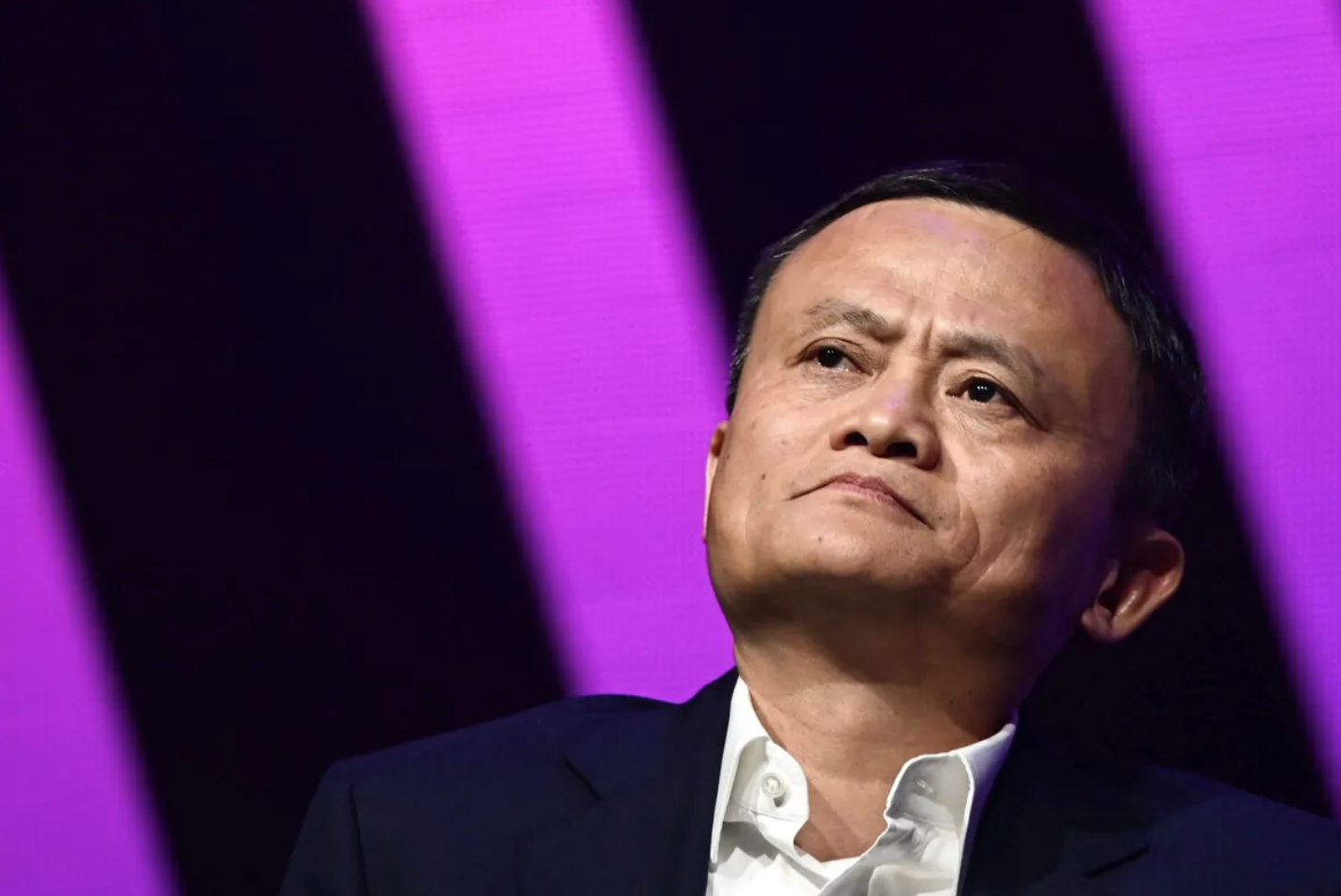
China kicked off an investigation into alleged monopolistic practices at Alibaba Group Holding Ltd. and summoned affiliate Ant Group Co. to a high-level meeting over financial regulations, escalating scrutiny over the twin pillars of billionaire Jack Ma’s internet empire. The probe announced Thursday marks the formal start of the Communist Party’s crackdown on the crown jewel of Ma’s sprawling dominion, spanning everything from e-commerce to logistics and social media. The pressure on Ma is central to a broader effort to rein in an increasingly influential internet sphere: Draft anti-monopoly rules released November gave the government wide latitude to restrain entrepreneurs who until recently enjoyed unusual freedom to expand their realms.

4. New Virus Strain’s Transmissibility to Cause More Deaths

The mutated coronavirus strain that’s been spreading in the U.K. appears to be more contagious and will likely lead to higher levels of hospitalizations and deaths next year. The variant is 56% more transmissible than other strains. There’s no clear evidence that it results in more or less severe disease. The U.K. government had previously said the mutated variant appears to be as much as 70% more transmissible than other circulating strains. Additionally, it has almost two dozen mutations that may affect proteins made by the coronavirus. That has raised concern that tests, treatments and vaccines that just started rolling out might be less effective, though Europe’s health regulator said the variant probably isn’t different enough from earlier ones to elude Pfizer Inc. and BioNTech SE’s shot. Countries including Australia, Denmark and Singapore have also discovered the strain.

5. Brexit Deal Gets Held Up by Last-Minute Haggling Over Fish

U.K. and European Union negotiators are locked in talks in Brussels over the final details of a historic post-Brexit trade accord, with both sides engaged in last-minute haggling over fishing rights. While the outline terms of the deal, including broad fishing quotas, were agreed on Wednesday, negotiators have hit a last-minute disagreement over the precise number of each species EU boats will be able to catch in U.K. waters. It isn’t clear how long it will now take for the discussions to reach a conclusion. In a sign the deal may only emerge late on Christmas Eve, EU ambassadors, who are required to scrutinize any agreement after it is made public, were stood down on Thursday afternoon and told to make themselves available over the holiday period.

6. China’s Rebound Continues With Exports and Commodities Booming

China’s economic recovery continued in December, underpinned by booming global demand for exports, rising commodity prices and a rallying stock market. China was already pulling further ahead of other major economies in November, with domestic demand growing, foreign investment rising and record export demand propelling growth even as other major nations struggle amid soaring virus cases. With the Communist Party signalling there won’t be a sudden withdrawal of monetary and fiscal assistance, there’s growing confidence for a healthy expansion in 2021.

7. U.K. Strain 56% More Infectious; Israel Locks Down: Virus Update

China said it would pause flights to and from the U.K., which yesterday imposed tougher regulations across a swath of England in an effort to rein in a new strain of coronavirus. A study showed that the variant is 56% more transmissible than other strains, although there’s no clear evidence that it results in more or less severe disease. Pfizer Inc. and partner BioNTech SE will double the supply of their vaccines to the U.S., which said it has administered a total of more than 1 million shots in 10 days. California became the first U.S. state to surpass 2 million infections after a jump in cases. Israel’s cabinet approved a third national lockdown of as long as four weeks.

8. Robinhood Financial Hit With Class-Action Suit for Selling Stock Orders

Robinhood Financial LLC was sued in a proposed class action for allegedly failing to inform clients it was selling their stock orders to trading firms and effectively charging back-door commission fees. The complaint filed Wednesday in San Francisco federal court follows the company’s $65 million settlement last week with the U.S. Securities and Exchange Commission over similar allegations. While Robinhood touted “commission-free” trading on its platform, it didn’t disclose that it relied extensively on “payment for order flow,” collecting payment from market makers in exchange for executing trades, according to the suit.

9. Turkey Central Banker Tightens Again in Boost to Credibility

Turkey’s central bank governor delivered another meaty interest-rate hike, bolstering credibility with investors after he pledged to tighten policy when needed to keep prices in check. The Monetary Policy Committee led by Governor Naci Agbal lifted the one-week repo rate to 17% from 15% on Thursday. The lira extended gains against the dollar and was trading 0.9% higher. The Borsa Istanbul 100 Index of equities rose as much as 0.8% after the decision. The bank pledged in its rates decision to maintain a tight stance until it sees “a permanent fall in inflation,” citing risks from a weak lira, domestic demand and commodity prices including food costs.

10. Dover Truck Backups Persist on Christmas Eve Despite Progress

The U.K.’s main trucking gateway to the European Union remained backed up for the fifth day, despite progress moving traffic through the Port of Dover. Thousands of truckers were stuck in logjams around Britain’s busiest ferry port on Christmas Eve, separated from families, many as far away as Poland. Some 4,000 trucks alone were crowded onto the site of Manston Airport, a disused airfield in Kent being used to conduct Covid-19 testing required before they can board ferries to Calais, France. Some 170 military personnel tested truckers overnight, enabling their journeys to continue into Europe. France reopened its borders on Wednesday after a two-day blockade, on the condition that drivers have proof of a negative test.

Categories
Market News Top 10 News Top Global News

London to lose Finance Capital Crown – Top 10 Global News

1. Stocks Slip After Record Rally; Oil Retreats

U.S. futures slipped and European stocks steadied on the last day of the month after a record-breaking rally in global equity markets. Oil extended a retreat on signs of discord among OPEC+ ministers. The rotation that sent stocks to all-time highs showed signs of a slight reversal, with technology companies holding firm, while small-caps, banks and energy producers were broadly lower. The MSCI Asia Pacific Index sank 1.6%, the biggest loss in a month. Investors have become cautious after big gains in the last few weeks that were driven by the vaccine news.

Futures on the S&P 500 Index declined 0.5% as of early morning London time.

The Stoxx Europe 600 Index was little changed.

The MSCI Asia Pacific Index declined 1.6%.

The MSCI Emerging Market Index fell 1.3%.

2. OPEC+ Heads Into Crucial Talks Still Split Over Output Plans

OPEC and its allies headed into a two-day meeting with ministers still split on plans to delay a production boost, after failing to reach consensus in talks on Sunday night. The 23-nation coalition led by Saudi Arabia and Russia is debating whether to maintain the output cuts at current levels, deferring the increase scheduled for January. Some members are concerned that global markets remain too fragile to absorb additional barrels, while others are keen to sell more crude.

3. London in Deep Trouble as Brexit Finance Deal Unlikely

The golden age of the City of London began with a big bang. It’s ending with a whimper. Fears that the finance powerhouse that emerged from Margaret Thatcher’s 1986 deregulation — known as the Big Bang – will gradually be dismantled have deepened with a recent flurry of announcements about some business heading to the European Union as Britain enters the last month of the Brexit transition period without a financial-services deal in sight. The latest shift comes Monday at 8 a.m. when London Stock Exchange’s stock trading platform Turquoise Europe goes live in Amsterdam. It joins other trading venues like Cboe Europe and Aquis Exchange setting up shop on the continent as part of their no-deal Brexit plans.

4. China Says Its Grain Imports Not to Blame for Global Price Surge

A Chinese government official rebuffed the idea that the nation’s massive corn and wheat imports are to blame for the jump in international prices, saying the coronavirus pandemic and uncertainty in global food trade drove “panic” in the industry. Grain prices have risen because of export restrictions by major suppliers and the stockpiling of food reserves by some countries. China’s grain imports only account for a 10th of global trade, with the majority being soybeans, and have a limited impact on international food prices. Crop prices have been on a rise as China’s buying gained pace in recent months amid tighter-than-expected world grain and oilseed supplies. The second-biggest economy surpassed for the first time ever an annual corn-import quota set by the World Trade Organization as purchases in October hit a record high.

5. Iran Pledges Payback at ‘Right’ Time Over Scientist Killing

President Hassan Rouhani said Iran will respond to the killing of its top nuclear scientist “when the time is right,” and accused Israel of an “act of terrorism” in a significant escalation of tensions in the Persian Gulf. Mohsen Fakhrizadeh, a senior nuclear scientist working for the Ministry of Defense, was assassinated Friday in a shootout and car bombing on the outskirts of Tehran. Promising “severe revenge,” officials also pointed the finger at the U.S., potentially complicating President-elect Joe Biden’s bid to revive the Iranian nuclear deal.

6. U.K. Mortgage Approvals Unexpectedly Jump to 13-Year High

U.K. mortgage approvals jumped to the highest since before the financial crisis in October as buyers rushed to take advantage of tax incentives. Lenders approved 97,532 loans in October, the most since 2007, the Bank of England said Monday. Net consumer credit fell by 590 million pounds (INR 5800 cr) as households paid down debt, mostly on credit cards. The housing market is defying a broader economic downturn because of pent-up demand from the Covid lockdowns and a temporary tax break on home purchases. The BOE expects the unemployment rate to climb higher than 7% next year from the current 4.8%. Economic output won’t recover to pre-pandemic levels until 2022, the central bank’s latest forecasts show.

7. ABN Amro to Cut About 2,800 Jobs as Investment Bank Shrinks

ABN Amro Bank plans to cut about 2,800 jobs over four years as the Dutch lender retreats from large parts of its investment bank and digitization allows it to operate with a smaller staff. The company plans to reduce costs by about $840 million (INR 6200 cr) by 2024. The workforce will shrink by about 15%, with most reductions to start in 2022, Chief Executive Officer Robert Swaak said in an investor update on Monday. In August, Swaak announced plans to cut a third of the lender’s business with corporate clients, dropping company finance outside of Europe and exiting trade and commodity financing altogether. 

8. Cyber Monday Projected to Hit Pandemic-Fueled $12.7 Billion in Sales

Online shoppers in the U.S. are expected to drop a record-busting $12.7 billion (INR 94,000 cr)  on Cyber Monday — the busiest e-commerce day of the year — presenting a valuable opportunity for retailers whose websites, customer service departments and delivery operations can withstand the period of crushing traffic. Amazon.com, Walmart, Target, Best Buy and others have been preparing for the 2020 holiday season for months. This week will be the ultimate test for their new investments in ramping up delivery capacity and adding features like parking lot pickup for digital orders. The Covid-19 surge kept crowd-averse shoppers away from physical malls on Black Friday, reinforcing predictions that online shopping will soar this year. Adobe Analytics predicts that Cyber Monday spending for 2020 will climb by 35% – more than double the growth rate in the years prior to the pandemic. That also means that any service interruptions on Cyber Monday — slow websites, payment processing problems, shopping carts that vanish before checkout – could be painful for companies.

9. China Oil Giant CNOOC Targeted by U.S. After Years of South China Sea Tension

China’s third-biggest oil company faces a U.S. blacklist, which could spur major outflows from its Hong Kong-listed unit, after years of involvement in offshore drilling in disputed South China Sea waters. China National Offshore Oil Corp., the nation’s main deepwater explorer, is among four companies to be added to a list of firms owned or controlled by the Chinese military. The move comes as the Trump administration plans several new hard-line moves against Beijing in the final weeks of its term. CNOOC hasn’t yet received any official notice or decision from any relevant U.S. government agency, the firm’s listed unit said in an exchange filing in Hong Kong.

10. China’s factories crank up output, but jobs, debt remain concerns

China’s factory activity expanded at the fastest pace in more than three years in November, while growth in the services sector also hit a multi-year high, as the country’s economic recovery from the coronavirus pandemic stepped up. Upbeat data released on Monday suggest the world’s second-largest economy is on track to become the first to completely shake off the drag from widespread industry shutdowns, with recent production data showing manufacturing now at pre-pandemic levels. But companies are still not expanding their payrolls, the figures show, and some analysts point to rising debt levels among state-owned firms as another possible headwind for the economy.