Categories
Market News Top 10 News Top Global News

Bitcoin Crashes as Crazy Rally Ends – Top 10 Global News

1. Stocks Climb Toward Record While Bonds Decline

Stocks rose on speculation that widespread vaccine distribution and government stimulus will reignite economic growth and boost corporate profits. The dollar fell toward an almost three-year low. Markets shrugged off concern over a surge in global coronavirus cases and the threat of more stringent restrictions amid a rally in risk assets on the first trading day of 2021. The S&P 500 advanced toward another record, led by commodity, retail and technology companies.
The S&P 500 Index fell 0.1% as of early morning New York time.

The Stoxx Europe 600 Index surged 1.3%.

The MSCI Asia Pacific Index climbed 0.8%.

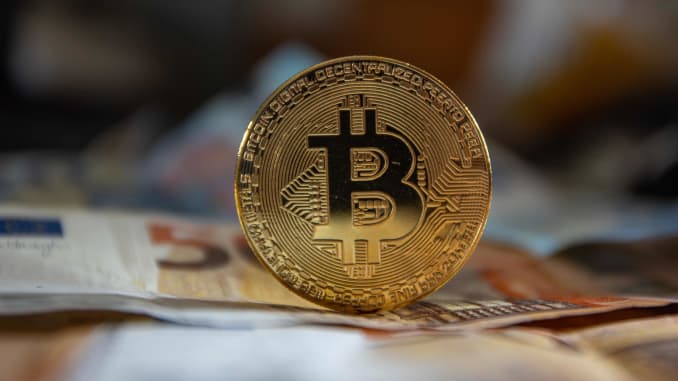
2. Bitcoin’s Rally Comes to a Halt as Prices Fall Most Since March

Bitcoin fizzled in Monday trading as the famously volatile cryptocurrency pulled back after a spectacular new-year rally. Prices fell as much as 17% in the biggest drop since March before recovering. The losses are small in the context of Bitcoin’s broader rally, with a 50% jump in December alone. After a parabolic 2020, the digital currency had started the new year with a bang, surging as high as $34,000 and hitting all-time highs on Sunday. As ever in the world of crypto, it’s hard to pinpoint the proximate cause for the latest bout of volatility.

3. Tesla Poised for Expansion After Just Missing 2020 Target

Tesla came close to meeting its 500,000 vehicle-deliveries goals for 2020, setting the stage for a new year in which it’s expanding in China and poised to open new factories in Texas and Germany. The electric-car maker said on Jan. 2 it handed over 180,570 vehicles in the year’s final three months, the most for any quarter but just 450 vehicles shy of the half-million mark Chief Executive Officer Elon Musk sought for the year. Tesla has been ramping up output of its more mass-market models to meet rising global demand for battery-powered cars, with 2020’s total jumping 36% from the prior year. Musk and Tesla had a remarkable year, with the company joining the S&P 500 Index in December after five consecutive quarters of profit. The shares rallied 743% in 2020, giving the carmaker a $668.9 billion stock-market capitalization. Musk ended the year as the world’s second-richest person.

4. Dollar Stumbles Into 2021 as Bets on Global Recovery Dominate

The U.S. dollar kicked off the new year with a weak start as expectations for a global economic recovery bolstered demand for riskier assets. It lost ground against almost every major currency on Monday, pushing a gauge of its strength to the lowest level in nearly three years, after purchasing managers indexes across Europe and Asia showed factory activity gathering pace. The euro rose as much as 0.7% against the dollar toward a high last seen more than two years ago, while the greenback touched the weakest level against the Chinese yuan since June 2018. 

5. U.K. Mortgage Approvals Surge to 13-Year High

U.K. mortgage approvals reached the highest since 2007 in November as housing continued to boom in spite of a broader economic downturn. The housing market is surging largely because of a tax cut on house purchases that is worth as much as 15,000 pounds ($20,000) to buyers. That’s pushed prices higher in a nation where demand has outstripped supply for decades, while measures to control the pandemic have also led to a change in working habits, boosting interest in larger properties and those outside of city centres. The jump also reflects pent-up demand from the first lockdown, when the market was largely shuttered and mortgage approvals collapsed.

6. Hong Kong Extends School Closures Until Lunar New Year

Hong Kong pushed back the re-opening of classrooms for more than a month as part of government measures to stamp out the spread of the coronavirus. The suspension of in-person classes at kindergartens through high school, a restriction originally scheduled to expire Jan. 10, will be extended until the lunar new year holidays, which begin on Feb. 12. The city reported 53 new cases for the day, 43 of which were local. Hong Kong has been one of the most aggressive places worldwide to close schools despite research from the likes of the United Nations warning about the adverse consequences of doing so.

7. Johnson Faces Third Lockdown as Virus Surges Across U.K.

Boris Johnson’s government is on the brink of another pandemic U-turn with a third national lockdown looking increasingly inevitable. A surge in infections threatens to overwhelm hospitals and throws his plan to get English children back into classrooms into disarray on a day the British prime minister had hoped to celebrate the delivery of the first shots of a Covid-19 vaccine developed by the University of Oxford and AstraZeneca. Instead, the government is back in crisis mode, with new virus cases exceeding 50,000 a day and hospital admissions soaring past the peak of the first wave in April. Johnson on Monday warned that a “surging epidemic” means stricter rules are coming.

8. Treasuries Inflation Gauge Exceeds 2% for First Time Since 2018

Traders see U.S. inflation averaging at least 2% per year over the coming decade, the first time that expectations have climbed that high since 2018. The 10-year breakeven rate — a measure that draws on pricing for inflation-linked Treasuries — rose as high as 2.0025% Monday, a level last seen more than two years ago. The gauge has gained momentum as traders prepare for an uptick in the world economy in the wake of a deal on Brexit and congressional approval for additional virus-relief aid. The roll-out of vaccinations against the coronavirus has also fueled the move higher. The Federal Reserve is setting the tone for markets, making a renewed push to revive inflation — which has been too low for years. 

9. Oil Fluctuates With OPEC+ Gathering to Decide on Feb Output

Oil swung between gains and losses ahead of an OPEC+ meeting to decide whether the group can keep lifting output as a surging virus threatens the global energy demand recovery. OPEC and its allies are gathering to gauge whether the market has the appetite to absorb another increase in supply after they raised output by 500,000 barrels a day for January. The demand outlook for the first half of this year is mixed and there are still many downside risks to juggle, OPEC Secretary-General Mohammad Barkindo said on Sunday. There are signs that lockdowns in some countries are set to be extended, potentially curbing oil demand. Germany is poised to prolong stricter lockdown measures beyond Jan. 10, while Japan is considering another state of emergency for the Tokyo area.

10. Israel Sets Pace on Vaccine Rollout; Schools Close: Virus Update

Global coronavirus infections climbed above 85 million, after daily cases in the U.S. soared to a record of nearly 300,000 following the New Year holiday. Germany is set to extend its lockdown, while Hong Kong won’t re-open classrooms for more than a month, as many nations opt to delay reopening schools. Japan’s prime minister is considering another state of emergency for the Tokyo area, with cases at records and a vaccine rollout more than a month away. Israel said it plans to vaccinate 70% to 80% of its population by April or May. The U.K. gave the first shots of AstraZeneca’s vaccine on Monday, in a race against a faster-spreading variant that’s prompted lockdowns across the country.

Categories
Market News Top 10 News Top Global News

2021 Begins with Record-High Virus Cases & Deaths – Top 10 Global News

1. S&P 500 Rallies to Close the Year at Record High

The S&P 500 Index and Dow Jones Industrial Average turned positive yesterday afternoon and ended at all-time highs. Volume was about 15% below average. Financial companies were among the best performers, while energy producers slumped. European stocks dipped. Markets in Japan, Germany and South Korea were shut for New Year’s Eve. In Asia, China’s benchmark CSI 300 Index closed at a five-year high as officials gave the green light to its first coronavirus vaccine for general public use and data showed a steady economic recovery. The offshore yuan strengthened to the highest since June 2018.

The S&P 500 Index rose 0.6% as of market close in New York.

The Stoxx Europe 600 Index fell 0.3%.

The MSCI Asia Pacific Index was little changed.

The MSCI Emerging Market Index rose 0.1%.

2. Pandemic Exits 2020 With Record Cases Across Globe

One year after a mysterious pathogen first revealed itself in Wuhan, China, the Covid-19 pandemic enters 2021 with no signs of slowing down. Global daily deaths reached record highs this week, while U.S. infections approached 20 million, almost twice as many as second-worst hit country India. Countries from Japan to South Africa ended 2020 with record daily cases. In the U.S., New York state and Florida shattered their previous case records, while Texas saw a new high for hospitalizations. The U.S. added 227,616 cases on Dec. 31. China and Brazil became the latest to report infections of the new, highly transmissible virus strain.

3. Britain Leaps Into Unknown With Split From EU at Critical Moment

The U.K. completed its divorce from the European Union, leaving the bloc’s single market and customs regime more than four years after voting for Brexit and with the country gripped by a deepening crisis. The end of the transition period at 11 p.m. in London on New Year’s Eve launched the U.K. on a new path on its own, free from EU laws, able to strike trade agreements around the world and to reshape its economy. “This is an amazing moment for this country,” Prime Minister Boris Johnson said in his New Year’s message. “We have our freedom in our hands and it is up to us to make the most of it.” Yet many areas — including the critical financial services industry — still need to be agreed to, while in the background the coronavirus pandemic is engulfing more people than ever and another lockdown is weighing on the nation.

4. NYSE to Delist Chinese Telco Giants on U.S. Executive Order

The New York Stock Exchange said it will delist three Chinese corporations to comply with a U.S. executive order that imposed restrictions on companies identified as affiliated with the Chinese military. China Mobile Ltd., China Telecom Corp Ltd., China Unicom Hong Kong Ltd. will be suspended from trading between Jan. 7 and Jan. 11, and proceedings to delist them have started. The three Chinese companies have separate listings in Hong Kong. All generate the entirety of their revenue in China and have no meaningful presence in the U.S. Their shares are also thinly traded on the NYSE compared to their primary listings in Hong Kong, making this NYSE delisting more of a symbolic blow amid geopolitical friction between the U.S. and China.

5. Faster-Spreading Covid Strain Affects Young the Most

The new coronavirus variant that emerged in the U.K. is more transmissible and appears to affect a higher proportion of people under 20. The mutation of concern has “a substantial transmission advantage” and is linked to “epidemic growth in nearly all areas,” the scientists wrote. It can raise the virus’s reproduction rate, which indicates how many people one patient infects, by as much as 0.7. “This will make control more difficult and further accentuates the urgency of rolling out vaccination as quickly as possible,” said Neil Ferguson, a professor at Imperial who has worked on modelling the outbreak. Social distancing measures that worked against earlier strains of the virus were insufficient to control the spread of the new variant. The government had previously said the new strain was as much as 70% more transmissible than other versions.

6. Huawei Removes Tencent Games in Dispute Over Cooperation

Huawei Technologies Co. removed Tencent Holdings Ltd.’s games from its app store as some terms of cooperation are changing between the two technology giants. The action was taken after Tencent made a “big change” on Dec. 31 to how the companies work with each other. While most smartphones in China use Google’s Android operating system, the U.S. company’s Play Store isn’t available and apps are instead sold by mainland manufacturers and others. Huawei was the biggest smartphone maker in the country during the September quarter with 43% of shipments. Huawei said its decision followed an assessment by its legal team and was based on the premise that Tencent is unilaterally asking to halt cooperation.

7. Millions of Americans Are Calling In Sick, Stunting the Recovery

Amid the surge in the ranks of the unemployed during the pandemic, another crucial problem in the labour market has gone mostly overlooked: Workers are calling out sick in record numbers this year. Whether it’s because they have Covid-19 themselves, are worried about getting it or are taking care of someone who already has it, the number of workers who’ve missed days on the job has doubled in the pandemic. What’s more, unlike the jobless rate, which has steadily declined from its April peak, the rate of absenteeism has remained high. Almost 1.8 million workers were absent in November because of illness, nearly matching the record 2 million set back in April.

8. Tesla Sets Price of China-made Model Y SUV Below Competitors

Tesla will start deliveries of its China-made Model Y SUV this month to customers in the country, as it set the vehicle at a price below some of its rivals to maintain a competitive edge. The Model Y starts from 339,900 yuan ($52,074), while the Model Y Performance car will be from 369,900 yuan. Tesla Chief Executive Officer Elon Musk has said the Model Y has the potential to outsell all other vehicles it makes. Tesla also launched a modified Model 3 sedan which remained at a post-subsidy price of 249,900 yuan for the basic version. The Model 3 qualifies for China’s national subsidy for electric vehicles, while the Model Y doesn’t. China is Tesla’s largest market after the U.S., with sales topping 120,000 units in 2020.

9. Oman Plans 2021 Borrowing as Oil Price, Virus Batter Economy

Oman’s government will finance most of its budget shortfall in 2021 by borrowing to plug a fiscal gap battered by a decline in oil prices and the coronavirus pandemic. The Persian Gulf state is looking into borrowing that will cover 73%, or 1.6 billion rials ($4.2 billion), of the country’s 2.2 billion-rial shortage, with the remaining 600 million rials to be drawn from its reserves. The government based its 2021 budget plan on an oil price of $45 per barrel. Oman has taken measures such as reduced spending and plans to impose a 5% value-added tax in 2021.

10. Singapore and Malaysia Terminate High-Speed Rail Project

The two countries were unable to reach an agreement on the project after Malaysia sought changes because of the pandemic’s economic impact. Malaysia will have to compensate Singapore for costs already incurred. The announcement came just after a Dec. 31 deadline for the second and final extension of the suspension of the project, which was first mooted a decade ago and given the green light in 2013. The on-again, off-again 350 kilometres (218 miles) high-speed rail link would have cut travel time between the centres down to about 90 minutes versus more than four hours by car. The service was due to start in 2026.

Categories
Market News Top 10 News Top Global News

Ambani loses Richest Man of Asia Title – Top 10 Global News

1. Stocks Steady Near All-Time Highs; Dollar Dips

Markets are ending a tumultuous year on a quiet note, with global stock indexes holding near record highs and the dollar at the lowest in two years. U.S. equity futures dipped on the last day of 2020 and all of the industries in the Europe Stoxx 600 were in the red. Markets in Japan, Germany and South Korea were shut for New Year’s Eve. In Asia, China’s benchmark CSI 300 Index closed at a five-year high. The yuan strengthened to the highest since June 2018.

Futures on the S&P 500 Index dipped 0.1% as of early morning London time.

The Stoxx Europe 600 Index fell 0.3%.

The MSCI Asia Pacific Index gained 0.2%.

The MSCI Emerging Market Index climbed 0.4%.

2. Bitcoin Touches $29,000 for Another Record High

Bitcoin vaulted above $29,000 to reach yet another record level on the last day of 2020, in a fitting end to a groundbreaking year for the world’s largest digital currency. It has advanced almost 50% in December, on track for its biggest monthly gain since May 2019. Bitcoin has now quadrupled in value this year amid the global coronavirus pandemic, while the wider Bloomberg Galaxy Crypto Index tracking the largest digital currencies is up about 280% as rival coins such as Ether have also rallied.

3. Slow Vaccine Campaign Raises Doubts of U.S. Dysfunction

U.S. health officials acknowledged that a Covid-19 immunization campaign is crawling out of the starting gate, raising the prospect that the nation’s all-in bet on vaccines could be afflicted by the same dysfunction that hobbled other measures to contain the pandemic. Only about 2.7 million Americans had been vaccinated as of Wednesday evening in New York. With one day remaining in the year, that represented roughly 13.5% of the U.S.’s stated goal of immunizing 20 million Americans by the end of 2020 — a number already repeatedly reduced. The task of delivering shots that could end a pandemic that has killed 341,000 U.S. residents is taxing a largely private medical system designed to maximize profit rather than deliver public health. Governments and institutions are struggling with complex logistics to keep the shots cold, organizing cohorts of people to receive them and persuading those made sceptical by a flood of online disinformation.

4. Homebuyers in the U.S. Face Worst Affordability Squeeze in 12 Years

Record-low mortgage rates were supposed to make it easier for homebuyers. Instead, they’ve helped push affordability to a 12-year low. Buyers in the fourth quarter needed to spend almost 30% of the average wage to afford a typical house, the biggest share for any three-month period since 2008. Low borrowing costs, now below 3% for a 30-year loan, have spurred a buying frenzy, driving up prices across the country as shoppers compete for a shrinking supply of listings. During the pandemic, prices have increased faster than earnings, leaping by double digits in 79% of the 499 counties included in the report. More than half of those counties are now less affordable than their historic averages.

5. Gold Heads for Best Year in a Decade With Dollar on the Ropes

Gold is set for the biggest annual advance in a decade after a tumultuous year, with gains this month aided by the dollar’s decline to the lowest level since April 2018. Bullion hit a record in August as investors feared an unprecedented wave of stimulus by central banks and governments would lead to currency debasement and inflation. Holdings in bullion-backed exchange-traded funds set an all-time high in October. While prices dropped as the roll-out of vaccines injected optimism into financial markets, the dollar’s continued weakness has helped support gold into the year-end.

6. U.K. Tells Public to Stay Home for New Year’s Eve Celebrations

Everyone in England should stay at home when they celebrate the New Year on Thursday night, the U.K. government said. People were asked to act as if they have Covid-19 to avoid spreading the virus. The advice is universal and applies to everyone regardless of which of England’s pandemic restriction tiers their region is in. The advice coincides with new rules putting 78% of the country’s population in the strictest tier 4 pandemic curbs, banning almost all household mixing and closing non-essential shops. While ministers say the rollout of vaccines will allow the country to start getting back normal by spring 2021, they have also warned the weeks ahead may be the hardest yet.

7. Bubble Tea Chain Naixue Raises New Funds at $2 Billion Value

The owner of bubble tea chain Nayuki, also known as Naixue’s Tea in Chinese, has completed a new funding round that values the company at nearly $2 billion. Shenzhen Pindao Restaurant Management Co. has raised more than $100 million in a Series C funding round led by private equity firm PAG. Billionaire Jack Ma’s Yunfeng Capital is also among the investors in the latest round. The bubble tea chain owner is considering an initial public offering in Hong Kong after the coronavirus outbreak clouded its earlier plans for a U.S. listing. The firm will spend the fresh funds on product research and supply chain digitization, while it has no IPO plan in the near term.

8. Tokyo Sets New Case Record; New Strain Spreads: Virus Update

Global deaths from Covid-19 passed 18 lakh. Tokyo recorded a record number of new infections, and Japan warned it could consider a state of emergency if the new outbreak can’t be contained. Cities that had gone weeks without new infections, including Beijing and Melbourne, are now reporting clusters, and the new, highly transmissible virus strain was found in Singapore and California. Countries around the world tightened border controls. The EU said it would bar travellers from the U.K. after Britain’s official exit on Jan. 1. Travel between Sydney and Melbourne will be blocked as of Jan. 2; both cities are seeing a resurgence in cases. Chinese authorities are urging people to stay home during the Lunar New Year holidays, which begin Feb. 11.

9. Putin Battles to Sell Russia’s Vaccine in New Rift With West

Russia is accusing the West of maligning its achievements in the global race to defeat Covid-19 as attempts to win key markets for its Sputnik V vaccine run up against the demands of regulators. Like neighbouring China, which is struggling to reassure nations testing its vaccines, Russia’s drive to convert what it calls a scientific triumph into geopolitical dividends has hit unexpected headwinds. President Vladimir Putin has pushed the inoculation in calls with other world leaders since touting Russia’s approval of Sputnik V in August as the globe’s first Covid-19 vaccine. But many countries’ regulators have been unwilling to give Sputnik V fast-track approval — even as they welcome U.S. and European vaccines that first completed comprehensive trials.

10. Ambani is no longer Asia’s richest man

Zhong Shanshan is a private billionaire who’s rarely quoted in the press. Now, after an improbable career spanning journalism, mushroom farming and health care, he’s become Asia’s richest person, eclipsing India’s Mukesh Ambani and a group of Chinese tech titans including Jack Ma. Zhong’s net worth has surged $70.9 billion this year to $77.8 billion, making him the 11th-richest person on the planet, according to the Bloomberg Billionaires Index. It’s one of the fastest accumulations of wealth in history, and all the more remarkable considering that until this year he was little known outside of China. Zhong, 66, isn’t involved in politics and his business interests aren’t entwined with other rich families such as the property tycoons, which is why he’s known locally as the “Lone Wolf.” He owes his success to two unrelated fields. He took vaccine maker Beijing Wantai Biological Pharmacy Enterprise Co public in April, then months later Nongfu Spring Co, a maker of bottled water, became one of Hong Kong’s hottest listings. Nongfu shares have jumped 155% since their debut, and Wantai’s are up more than 2,000%.

HAPPY NEW YEAR, READERS!

Categories
Market News Top 10 News Top Global News

Human-Run Funds Beat Quant Funds in 2020 – Top 10 Global News

1. U.S. Stocks Rise on Vaccine Optimism; Dollar Falls

U.S. stocks climbed as vaccine progress boosted optimism in one of the final trading sessions of 2020. The dollar continued its slide, weakening to the lowest in 2 1/2 years. Energy shares were among the best performers in S&P 500 Index. Travel and leisure companies advanced in Europe after the U.K. approved a coronavirus shot by AstraZeneca and the University of Oxford. Volumes were light during the holiday week, with the Stoxx 600 Index seeing about half of the usual activity as it edged lower. Bitcoin extended its record-breaking rally, trading near $28,000.

The S&P 500 Index gained 0.4% as of 10 a.m. in New York.

The Stoxx Europe 600 Index slipped 0.1%.

The MSCI Emerging Market Index climbed 1.5%.

2. AstraZeneca-Oxford Covid Vaccine Gains First Clearance With U.K. Nod

AstraZeneca and the University of Oxford’s Covid-19 vaccine won U.K. clearance, marking the first approval worldwide for a shot that will be key to mass immunizations despite continuing questions over its efficacy. The vaccine will be prioritized for the country’s most vulnerable groups, with shots starting Monday, according to the government. It’s the second coronavirus injection to be cleared for emergency use in the U.K. after one from Pfizer and BioNTech was authorized in early December. The move will help the U.K. ramp up vaccinations as a surge in coronavirus infections that’s fueled by a new strain puts growing pressure on hospitals.

3. Human-Run Hedge Funds Trounce Quants in Covid Year

After years of being outgunned and outclassed by computer-driven quantitative strategies, human stock-pickers climbed back on top in 2020, helped by aggressive bets in technology and the flood of central bank money that buoyed markets. The dizzying gyrations of the pandemic-stricken year humbled even the most sophisticated of quants — notably behemoths Renaissance Technologies and Two Sigma — whose trading models were thrown off by swings their computers had never seen before. Overall, human-run funds put up some of their best numbers in a decade, with several boldfaced names, including Tiger, Coatue and D1, posting returns in excess of 35%. Whether by luck or by skill, they showed that in this most unusual of years, stock-pickers could still stand up to the seemingly inexorable rise of the machines.

4. England Faces Wider Lockdown in Race to Control New Strain

More areas of England are set to be placed under lockdown, as the new coronavirus strain puts growing pressure on hospitals. People living in London, Essex and Kent should behave as if they have Covid-19, Health Secretary Matt Hancock said in an interview with LBC radio on Wednesday. The spread of the new variant means more parts of the country will be placed under toughest tier 4 lockdown restrictions, Hancock said. He will set out details in a statement to Parliament on Wednesday afternoon. His comments come amid growing fears the National Health Service is at risk of being overwhelmed after the U.K. reported more than 50,000 new cases on Tuesday, the highest daily figure since the start of the pandemic. The number of people being treated in the hospital for coronavirus already exceeds the peak recorded during the first wave of infections in spring.

5. Republicans Rebuff Trump, Democrats by Blocking $2,000 Checks

Senate Majority Leader Mitch McConnell on Tuesday blocked an attempt by Democrats to force quick action increasing direct stimulus payments to $2,000 as President Donald Trump warned that failing to act now amounted to a “death wish” by Republicans. McConnell objected to a motion by Senate Minority Leader Chuck Schumer to approve by unanimous consent a stimulus-checks bill that passed the House on Monday. He also blocked a motion by Senator Bernie Sanders of Vermont to vote on the stimulus checks immediately after the Senate votes on overriding Trump’s veto of a key defence policy bill.

6. Johnson’s Brexit Deal Clears Its First Parliamentary Hurdle

Boris Johnson’s Brexit deal cleared the House of Commons, putting the U.K.’s trade agreement with the European Union on course to become law within hours. Members of parliament voted 521 to 73 to approve the accord after they were recalled from their Christmas break for an emergency session on Wednesday. The House of Lords, the unelected upper chamber, will vote on the legislation later in the evening. With the main opposition Labour Party backing the bill, the legislation is almost certain to become law in a single day, 24 hours before the U.K. leaves the EU’s single market and customs union.

7. U.S.’s First Case of U.K. Mutation Sparks Search for Source

A 20-something man from Colorado is the first American known to be infected with a new variant of coronavirus that emerged this fall in the U.K., raising concern that a more transmissible strain could spread widely across the country. The Colorado State Laboratory confirmed the patient had the mutated form of the virus, known as B.1.1.7, and informed the U.S. Centers for Disease Control and Prevention. The infected man has no recent travel history, challenging health officials to find the possible source of infection and identify others who may be at risk. He is currently in isolation in Elbert County, located halfway between Denver and Colorado Springs.

8. EU, China Give Political Nod to Market-Opening Investment Pact

The European Union and China announced the political approval of an agreement to open the Chinese market further to EU investors, marking a major step in talks that began in 2013. The breakthrough in negotiations on an EU-China investment deal signals the bloc’s determination to focus on economic opportunities in Asia even amid criticism of Beijing’s record on human rights. The accord could enter into force in early 2022. For the EU, the deal risks irking the incoming U.S. administration, which has urged the Europeans to consult with them over China’s economic practices. Failure by the U.S. and EU to forge a common position would give Beijing an advantage as western leaders reassess geopolitical relations in the wake of Donald Trump’s presidency.

9. Pending Sales of U.S. Existing Homes Decline for a Third Month

A gauge of U.S. pending home sales fell for the third consecutive month in November, suggesting higher prices and limited inventory are slowing momentum in the housing market despite record-low borrowing costs. The National Association of Realtors’ index of contract signings to purchase previously owned homes declined 2.6% from the prior month to 125.7, according to data released Tuesday. The drop in the index from the prior month shows more tempered activity in the housing market as prices continue to climb amid lean inventory. Still, the pending sales gauge remains well above pre-pandemic levels, indicating still-elevated demand as buyers seek more space.

10. Qatar Wealth Fund Invests $125 Million in Battery Firm Fluence

Fluence, a global battery storage joint venture of Siemens AG and AES Corp., said it reached an agreement with the sovereign wealth fund of Qatar for a $125 million investment. The funding will give the Qatar Investment Authority a 12% stake in Fluence and values the battery company at more than $1 billion. Siemens and AES will retain a 44% stake each following completion of the deal, the companies said. The global energy storage business is expected to boom in the coming decades as utilities will look to batteries to backstop an increasing amount of intermittent solar and wind power.

Readers!
Thank you for reading the article. Apologies on the slight delay in posting today as I was travelling in the evening with no access to the internet.
Happy New Year!

Categories
Market News Top 10 News Top Global News

China Probes Alibaba over Monopoly – Top 10 Global News

1. U.S. Futures Rise; Pound Gains on Brexit Deal Hope

U.S. futures climbed with European stocks and the pound jumped as investors awaited the unveiling of a post-Brexit trade accord after both sides earlier agreed on an outline of the deal. The Stoxx 600 Index edged higher ahead of an expected press conference from Prime Minister Boris Johnson on Thursday, which was delayed over last-minute haggling. Negotiators worked through the night putting the finishing touches on the historic pact, which will formally complete Britain’s separation from the European Union. The pound rose to the highest in about a week, while the euro was steady. Contracts on the S&P 500 Index nudged higher and most Asian stocks gained. Alibaba Group Holding Ltd. sank more than 8% in Hong Kong after China kicked off an investigation into alleged monopolistic practices at the tech giant.

Futures on the S&P 500 Index rose 0.1% as of early morning New York time.

The Stoxx Europe 600 Index increased 0.2%.

The MSCI Asia Pacific Index rose 0.5%.

The MSCI Emerging Market Index gained 0.4%.

2. GOP Blocks Bid for $2,000 Payments Trump Demanded

House Republicans blocked Democrats’ attempt to meet President Donald Trump’s demand to pay most Americans $2,000 to help weather the coronavirus pandemic. Republicans objected to the bill House Majority Leader Steny Hoyer sought to pass by unanimous consent Thursday to replace the $600 payments in the latest pandemic relief legislation with the $2,000 payments. Democrats will try again with a roll call vote on a new bill Dec. 28, when the House also plans a vote to override Trump’s veto on the National Defense Authorization Act.

3. China Targets Jack Ma’s Alibaba Empire in Monopoly Probe

China kicked off an investigation into alleged monopolistic practices at Alibaba Group Holding Ltd. and summoned affiliate Ant Group Co. to a high-level meeting over financial regulations, escalating scrutiny over the twin pillars of billionaire Jack Ma’s internet empire. The probe announced Thursday marks the formal start of the Communist Party’s crackdown on the crown jewel of Ma’s sprawling dominion, spanning everything from e-commerce to logistics and social media. The pressure on Ma is central to a broader effort to rein in an increasingly influential internet sphere: Draft anti-monopoly rules released November gave the government wide latitude to restrain entrepreneurs who until recently enjoyed unusual freedom to expand their realms.

4. New Virus Strain’s Transmissibility to Cause More Deaths

The mutated coronavirus strain that’s been spreading in the U.K. appears to be more contagious and will likely lead to higher levels of hospitalizations and deaths next year. The variant is 56% more transmissible than other strains. There’s no clear evidence that it results in more or less severe disease. The U.K. government had previously said the mutated variant appears to be as much as 70% more transmissible than other circulating strains. Additionally, it has almost two dozen mutations that may affect proteins made by the coronavirus. That has raised concern that tests, treatments and vaccines that just started rolling out might be less effective, though Europe’s health regulator said the variant probably isn’t different enough from earlier ones to elude Pfizer Inc. and BioNTech SE’s shot. Countries including Australia, Denmark and Singapore have also discovered the strain.

5. Brexit Deal Gets Held Up by Last-Minute Haggling Over Fish

U.K. and European Union negotiators are locked in talks in Brussels over the final details of a historic post-Brexit trade accord, with both sides engaged in last-minute haggling over fishing rights. While the outline terms of the deal, including broad fishing quotas, were agreed on Wednesday, negotiators have hit a last-minute disagreement over the precise number of each species EU boats will be able to catch in U.K. waters. It isn’t clear how long it will now take for the discussions to reach a conclusion. In a sign the deal may only emerge late on Christmas Eve, EU ambassadors, who are required to scrutinize any agreement after it is made public, were stood down on Thursday afternoon and told to make themselves available over the holiday period.

6. China’s Rebound Continues With Exports and Commodities Booming

China’s economic recovery continued in December, underpinned by booming global demand for exports, rising commodity prices and a rallying stock market. China was already pulling further ahead of other major economies in November, with domestic demand growing, foreign investment rising and record export demand propelling growth even as other major nations struggle amid soaring virus cases. With the Communist Party signalling there won’t be a sudden withdrawal of monetary and fiscal assistance, there’s growing confidence for a healthy expansion in 2021.

7. U.K. Strain 56% More Infectious; Israel Locks Down: Virus Update

China said it would pause flights to and from the U.K., which yesterday imposed tougher regulations across a swath of England in an effort to rein in a new strain of coronavirus. A study showed that the variant is 56% more transmissible than other strains, although there’s no clear evidence that it results in more or less severe disease. Pfizer Inc. and partner BioNTech SE will double the supply of their vaccines to the U.S., which said it has administered a total of more than 1 million shots in 10 days. California became the first U.S. state to surpass 2 million infections after a jump in cases. Israel’s cabinet approved a third national lockdown of as long as four weeks.

8. Robinhood Financial Hit With Class-Action Suit for Selling Stock Orders

Robinhood Financial LLC was sued in a proposed class action for allegedly failing to inform clients it was selling their stock orders to trading firms and effectively charging back-door commission fees. The complaint filed Wednesday in San Francisco federal court follows the company’s $65 million settlement last week with the U.S. Securities and Exchange Commission over similar allegations. While Robinhood touted “commission-free” trading on its platform, it didn’t disclose that it relied extensively on “payment for order flow,” collecting payment from market makers in exchange for executing trades, according to the suit.

9. Turkey Central Banker Tightens Again in Boost to Credibility

Turkey’s central bank governor delivered another meaty interest-rate hike, bolstering credibility with investors after he pledged to tighten policy when needed to keep prices in check. The Monetary Policy Committee led by Governor Naci Agbal lifted the one-week repo rate to 17% from 15% on Thursday. The lira extended gains against the dollar and was trading 0.9% higher. The Borsa Istanbul 100 Index of equities rose as much as 0.8% after the decision. The bank pledged in its rates decision to maintain a tight stance until it sees “a permanent fall in inflation,” citing risks from a weak lira, domestic demand and commodity prices including food costs.

10. Dover Truck Backups Persist on Christmas Eve Despite Progress

The U.K.’s main trucking gateway to the European Union remained backed up for the fifth day, despite progress moving traffic through the Port of Dover. Thousands of truckers were stuck in logjams around Britain’s busiest ferry port on Christmas Eve, separated from families, many as far away as Poland. Some 4,000 trucks alone were crowded onto the site of Manston Airport, a disused airfield in Kent being used to conduct Covid-19 testing required before they can board ferries to Calais, France. Some 170 military personnel tested truckers overnight, enabling their journeys to continue into Europe. France reopened its borders on Wednesday after a two-day blockade, on the condition that drivers have proof of a negative test.

Categories
Market News Top 10 News Top Global News

New Covid Strain Shakes Global Markets – Top 10 Global News

1. Stocks, Futures Slump on Virus Curbs; Bonds Rally

Stocks and futures were a sea of red on Monday as a new variant of the coronavirus in the U.K. caused chaos ahead of the Christmas holiday, with regional neighbours suspending travel. Energy and travel shares dragged the Stoxx 600 Index down 2.5% as Italy, the Netherlands, Belgium and France closed their borders to the U.K. The dollar gained the most since June. In the U.S., equity futures pointed to sharp declines at the open even after Congressional leaders reached a deal on spending to support the economy. Losses were concentrated in energy producers and stocks that would benefit from a return to more normal economic activity.  The pound slumped by the most since March as an official said “significant differences” remain in Britain’s trade talks with the European Union. Crude oil fell by more than 3%.

Futures on the S&P 500 Index sank 1.8% as of early morning New York time.

The Stoxx Europe 600 Index sank 2.6%.

The MSCI Asia Pacific Index dipped 0.6%.

The MSCI Emerging Market Index dipped 1.1%.

2. Congress Poised for Vote on $900 Billion Pandemic Relief Plan

The House and Senate are set to vote Monday on a roughly $900 billion pandemic relief bill that would be the second-biggest economic rescue measure in the nation’s history. The aid package will be attached to a $1.4 trillion measure to fund government operations through the end of the fiscal year, and congressional leaders said they expect the legislation to easily pass both chambers. The White House said President Donald Trump would sign it. The deal followed more than a week of furious negotiations sparked by a group of Democratic and Republican senators who drew up their own compromise proposal and urged their leaders to act.

3. Tesla Slides in First Day of Trading on the S&P 500 Index

Tesla’s shares fell as much as 6.4% in premarket trading on its first day after being added to the S&P 500 Index, as the broader market slid and the stock retraced gains from Friday when tens of millions of shares were purchased by index-fund managers. Futures contracts on the S&P 500 plunged 2.5%, following European stocks lower after several major countries moved to suspend travel from the U.K. amid concerns about a new strain of Covid-19. Tesla has catapulted 731% this year in anticipation of the historic inclusion, making it the biggest company ever to be added to the benchmark.

4. Biden Will Inherit a Strong Hand Against Xi, Thanks to Trump

Joe Biden will be sworn in as president after Trump’s administration spent years ramping up pressure on China, including levying tariffs on $370 billion in imports, getting Canada to place a Chinese executive for Huawei Technologies Co. under house arrest, threatening access to U.S. capital markets and blaming the Communist Party for the scale of the Covid-19 outbreak. President Trump’s pressure campaign continued last week, as the administration blacklisted more than 60 Chinese companies, limiting their ability to get U.S. technology, in order “to protect national security”.

5. JPMorgan Says Flows to Into Major Crypto Fund Are Key to Bitcoin’s Outlook

The odds of a Bitcoin correction would increase if the flows into the world’s largest traded cryptocurrency fund slow significantly, according to strategists at JPMorgan Chase & Co. The Grayscale Bitcoin Trust’s assets under management have climbed to $13.1 billion from $2 billion at the start of December last year, amid a tripling in the digital currency’s price so far in 2020. Inflows into the fund are running at about $1 billion per month, the strategists wrote in a note Friday. Bitcoin reached an all-time high of $24,291.38 on Sunday. The cryptocurrency’s backers argue it’s gaining ground among longer-term investors as a hedge against dollar weakness and risks such as higher inflation. Others claim an unsustainable speculative fervour, exacerbated by trend-following quant funds, lies behind much of the rally in Bitcoin and other digital assets.

6. Hong Kong May Consider Unprecedented Virus Curbs, Including Curfews

Unprecedented virus control measures including curfews and shutdowns of non-essential businesses may be considered in Hong Kong, according to a government health adviser, as the city continues to see a high number of locally-transmitted cases and the holiday season looms. Limiting the number of people per household allowed to shop for groceries, shuttering all businesses deemed non-essential and shortening mall operating hours are among the curbs that may have to be imposed to prevent another Covid-19 wave.

7. France Halts U.K. Freight Over Virus Alarm, Rocking Supplies

Britain’s biggest port stopped all traffic heading to Europe, triggering delays to food supplies after the discovery of a new variant of the virus prompted a wave of countries to ban travel from the U.K. The escalating crisis prompted Boris Johnson to convene a meeting of the government’s emergency committee on Monday in a bid to keep goods flowing. The concern is focused on links with France, which suspended inbound travel from the U.K., including freight, for 48 hours starting midnight Sunday. The disruption comes at a critical time for Johnson’s government, which is still negotiating the terms of post-Brexit trade with the European Union. It’s also battling a surge in coronavirus infections which forced ministers to put London and much of southeast England into lockdown over the weekend, heaping more misery on businesses in the critical pre-Christmas period.

8. Pound Plummets as Virus Threatens U.K.’s Supply Chains With EU

The pound had its worst day since the coronavirus roiled global markets in March, as a new strain of the pathogen disrupted the U.K.’s supply chains with Europe. Sterling tumbled 2.5% to as low as $1.3188 as Britain’s biggest port in Dover stopped all traffic heading to the continent, and after another Brexit deadline went past without results. The currency’s one-week implied volatility is the highest for a Christmas period in more than a decade. Expectations of monetary easing by the Bank of England mounted, with money markets bringing forward bets for a 10-basis-point interest-rate cut to September, compared with March 2022 on Friday. Ten-year bonds rallied, with yields slipping as much as nine basis points, and the FTSE 100 share index fell as much as 3.3%. 

9. Saudi Arabia, Oman Suspend Foreign Travel Over Mutant Virus

Saudi Arabia and Oman halted international flights and closed their borders for a week over fears about the fast-spreading new strain of the coronavirus. State-run Saudi Press Agency said the kingdom may extend the suspension for another week depending on the nature of the virus spread. Oman halted passenger traffic through its air, land and seaports for a week starting Tuesday, but freight services are exempt from the ban. The U.K. has warned that the new virus strain is “out of control,” prompting countries including France and Germany to suspend travel from Britain. 

10. Dubai Stocks Fall Most in Seven Months on Travel Worries

Stocks in Dubai slumped the most since May on fears of further travel restrictions after a new variant of the coronavirus was found in the U.K. A travel corridor between Britain and Dubai was expected to help air traffic on the route to climb by a third this month. Any anticipated boost to the city’s struggling tourism sector could also be threatened by several countries including neighbouring Saudi Arabia imposing fresh curbs.