Categories
Market News Top 10 News Top Global News

Bitcoin Crashes as Crazy Rally Ends – Top 10 Global News

1. Stocks Climb Toward Record While Bonds Decline

Stocks rose on speculation that widespread vaccine distribution and government stimulus will reignite economic growth and boost corporate profits. The dollar fell toward an almost three-year low. Markets shrugged off concern over a surge in global coronavirus cases and the threat of more stringent restrictions amid a rally in risk assets on the first trading day of 2021. The S&P 500 advanced toward another record, led by commodity, retail and technology companies.
The S&P 500 Index fell 0.1% as of early morning New York time.

The Stoxx Europe 600 Index surged 1.3%.

The MSCI Asia Pacific Index climbed 0.8%.

2. Bitcoin’s Rally Comes to a Halt as Prices Fall Most Since March

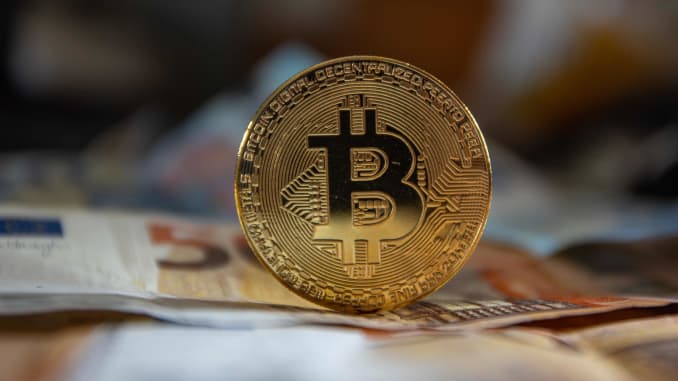
Bitcoin fizzled in Monday trading as the famously volatile cryptocurrency pulled back after a spectacular new-year rally. Prices fell as much as 17% in the biggest drop since March before recovering. The losses are small in the context of Bitcoin’s broader rally, with a 50% jump in December alone. After a parabolic 2020, the digital currency had started the new year with a bang, surging as high as $34,000 and hitting all-time highs on Sunday. As ever in the world of crypto, it’s hard to pinpoint the proximate cause for the latest bout of volatility.

3. Tesla Poised for Expansion After Just Missing 2020 Target

Tesla came close to meeting its 500,000 vehicle-deliveries goals for 2020, setting the stage for a new year in which it’s expanding in China and poised to open new factories in Texas and Germany. The electric-car maker said on Jan. 2 it handed over 180,570 vehicles in the year’s final three months, the most for any quarter but just 450 vehicles shy of the half-million mark Chief Executive Officer Elon Musk sought for the year. Tesla has been ramping up output of its more mass-market models to meet rising global demand for battery-powered cars, with 2020’s total jumping 36% from the prior year. Musk and Tesla had a remarkable year, with the company joining the S&P 500 Index in December after five consecutive quarters of profit. The shares rallied 743% in 2020, giving the carmaker a $668.9 billion stock-market capitalization. Musk ended the year as the world’s second-richest person.

4. Dollar Stumbles Into 2021 as Bets on Global Recovery Dominate

The U.S. dollar kicked off the new year with a weak start as expectations for a global economic recovery bolstered demand for riskier assets. It lost ground against almost every major currency on Monday, pushing a gauge of its strength to the lowest level in nearly three years, after purchasing managers indexes across Europe and Asia showed factory activity gathering pace. The euro rose as much as 0.7% against the dollar toward a high last seen more than two years ago, while the greenback touched the weakest level against the Chinese yuan since June 2018. 

5. U.K. Mortgage Approvals Surge to 13-Year High

U.K. mortgage approvals reached the highest since 2007 in November as housing continued to boom in spite of a broader economic downturn. The housing market is surging largely because of a tax cut on house purchases that is worth as much as 15,000 pounds ($20,000) to buyers. That’s pushed prices higher in a nation where demand has outstripped supply for decades, while measures to control the pandemic have also led to a change in working habits, boosting interest in larger properties and those outside of city centres. The jump also reflects pent-up demand from the first lockdown, when the market was largely shuttered and mortgage approvals collapsed.

6. Hong Kong Extends School Closures Until Lunar New Year

Hong Kong pushed back the re-opening of classrooms for more than a month as part of government measures to stamp out the spread of the coronavirus. The suspension of in-person classes at kindergartens through high school, a restriction originally scheduled to expire Jan. 10, will be extended until the lunar new year holidays, which begin on Feb. 12. The city reported 53 new cases for the day, 43 of which were local. Hong Kong has been one of the most aggressive places worldwide to close schools despite research from the likes of the United Nations warning about the adverse consequences of doing so.

7. Johnson Faces Third Lockdown as Virus Surges Across U.K.

Boris Johnson’s government is on the brink of another pandemic U-turn with a third national lockdown looking increasingly inevitable. A surge in infections threatens to overwhelm hospitals and throws his plan to get English children back into classrooms into disarray on a day the British prime minister had hoped to celebrate the delivery of the first shots of a Covid-19 vaccine developed by the University of Oxford and AstraZeneca. Instead, the government is back in crisis mode, with new virus cases exceeding 50,000 a day and hospital admissions soaring past the peak of the first wave in April. Johnson on Monday warned that a “surging epidemic” means stricter rules are coming.

8. Treasuries Inflation Gauge Exceeds 2% for First Time Since 2018

Traders see U.S. inflation averaging at least 2% per year over the coming decade, the first time that expectations have climbed that high since 2018. The 10-year breakeven rate — a measure that draws on pricing for inflation-linked Treasuries — rose as high as 2.0025% Monday, a level last seen more than two years ago. The gauge has gained momentum as traders prepare for an uptick in the world economy in the wake of a deal on Brexit and congressional approval for additional virus-relief aid. The roll-out of vaccinations against the coronavirus has also fueled the move higher. The Federal Reserve is setting the tone for markets, making a renewed push to revive inflation — which has been too low for years. 

9. Oil Fluctuates With OPEC+ Gathering to Decide on Feb Output

Oil swung between gains and losses ahead of an OPEC+ meeting to decide whether the group can keep lifting output as a surging virus threatens the global energy demand recovery. OPEC and its allies are gathering to gauge whether the market has the appetite to absorb another increase in supply after they raised output by 500,000 barrels a day for January. The demand outlook for the first half of this year is mixed and there are still many downside risks to juggle, OPEC Secretary-General Mohammad Barkindo said on Sunday. There are signs that lockdowns in some countries are set to be extended, potentially curbing oil demand. Germany is poised to prolong stricter lockdown measures beyond Jan. 10, while Japan is considering another state of emergency for the Tokyo area.

10. Israel Sets Pace on Vaccine Rollout; Schools Close: Virus Update

Global coronavirus infections climbed above 85 million, after daily cases in the U.S. soared to a record of nearly 300,000 following the New Year holiday. Germany is set to extend its lockdown, while Hong Kong won’t re-open classrooms for more than a month, as many nations opt to delay reopening schools. Japan’s prime minister is considering another state of emergency for the Tokyo area, with cases at records and a vaccine rollout more than a month away. Israel said it plans to vaccinate 70% to 80% of its population by April or May. The U.K. gave the first shots of AstraZeneca’s vaccine on Monday, in a race against a faster-spreading variant that’s prompted lockdowns across the country.

Categories
Market News Top 10 News Top Global News

Disney Cuts 32,000 Jobs this year – Top 10 Global News

1. Stock Rally Pauses as European Cyclicals Retreat

European stocks dipped and U.S. futures were mixed as sobering economic data deflated a spirited rally in global risk assets. Bitcoin tumbled 8%. Cyclical companies including banks and energy firms that had led the post-vaccine surge retreated while more defensive tech shares gained. That was mirrored by equity futures in the U.S., where contracts on the main gauge were flat while those on the tech-heavy Nasdaq 100 rose. Even with three successful vaccines on the table, sentiment turned cautious Thursday as the virus toll continued to rise in Europe and the U.S. The task of vaccinating the world’s population is rife with logistical problems, all while the virus gains ground and economic recoveries wobble.

Futures on the S&P 500 Index were unchanged as of early morning New York time.

The Stoxx Europe 600 Index dipped 0.1%.

The MSCI Asia Pacific Index gained 0.7%.

The MSCI Emerging Market Index rose 0.8%.

2. Bitcoin Plunges Along With Other Coins

Bitcoin plunged on Thursday in a sell-off that saw other digital assets fall as much as 27%, a slide likely to stoke speculation about the durability of the latest boom in cryptocurrencies. The largest token slumped as much as 13%, potentially heading for its worst day since the pandemic was declared in March, ending the culmination of a 250% surge in the past nine months. Fears over tighter crypto regulation and profit-taking after a massive rally were among the reasons cited for the sudden drop. The sell-off gathered pace after Coinbase Inc. Chief Executive Officer Brian Armstrong tweeted about speculation the U.S. is considering new rules that would undermine anonymity in digital transactions.

3. Disney Cuts 4,000 More Jobs, Blaming Virus Hit to Theme Parks

Walt Disney Co. announced another 4,000 job cuts after virus lockdowns forced the closure of its theme parks. It takes the number of layoffs in the first half of 2021, mostly at Disney’s parks, experiences and products divisions to 32,000 — more than 10% of its total workforce. The company’s parks in California remain closed due to a standoff with the state over lockdown measures. Results earlier this month revealed how the coronavirus pandemic has hammered Disney’s traditional businesses like studios, parks and cruises while accelerating a pivot to streaming. The theme parks showed a loss of $1.1 billion in quarterly results this month.

4. London Avoids Toughest Covid Curbs After England Lockdown

London will avoid the toughest coronavirus restrictions when England’s partial lockdown ends next week, Boris Johnson’s government announced. The U.K. capital has been placed into tier 2 — which means pubs, restaurants and bars can open for business, but alcohol can only be served as part of a meal. Households will not be allowed to mix indoors. The regional three-tier system is tougher than earlier lockdowns because ministers want to make sure they get a grip of the virus before people are allowed a five-day relaxation of the rules during the Christmas holidays.

5. IBM Planning 10,000 Job Cuts in Europe Ahead of Unit Sale

International Business Machines Corp. is planning to cut about 10,000 jobs in Europe in an attempt to lower costs at its slow-growth services unit and prepare the business for a spinoff. The wide-ranging losses will affect about 20% of staff in the region. The U.K. and Germany are set to be most impacted, with cuts also planned in Poland, Slovakia, Italy and Belgium. IBM announced the job cuts in Europe earlier in November during a meeting with European labour representatives. Hardest hit will be IBM’s legacy IT services business, which handles day-to-day infrastructure operations, such as managing client data centres and traditional IT support for installing, operating and repairing equipment.

6. AstraZeneca Faces More Vaccine Questions After Manufacturing Error

AstraZeneca and the University of Oxford, in the quest to deliver a Covid-19 vaccine, face mounting questions about their trial results after acknowledging a manufacturing error. Astra and Oxford said their vaccine was 90% effective when a half-dose was given before a full-dose booster, and that two full doses showed an efficacy of 62%. But the head of the U.S. vaccine program known as Operation Warp Speed said the next day that the dose showing the higher level of effectiveness was tested in a younger population and that the half-dose was given to some people because of an error in the quantity of vaccine put into some vials. None of this was disclosed in Astra’s original statement.

7. UAE Halts New Visas for Citizens of 13 Mostly Muslim Countries

The United Arab Emirates has stopped issuing new employment and tourist visas for citizens of 13 mostly Muslim-majority nations. The broad suspension, which covers visa applications made outside the country, took effect on Nov. 18 and would run until further notice. Reuters reported the step was triggered by security concerns without giving details. Countries included in the ban are Yemen, Syria, Iraq, Libya, Afghanistan, Pakistan, Somalia, Lebanon, Kenya, Tunisia, Algeria, Turkey and Iran. The restrictions will be another blow for the country’s aviation industry, which is only beginning to emerge from Covid-induced hibernation that starved airlines of revenue.

8. U.K. to End Lockdown; Merkel’s Skiing Warning

Global coronavirus cases topped 60 million. German Chancellor Angela Merkel urged Germans to do more to rein in the pandemic as the nation saw a record daily jump in new cases and virus-related deaths reached a seven-month high. Merkel also called on Europe’s ski resorts to close this winter to halt the spread of the illness. In the U.S., the Supreme Court blocked New York Governor Andrew Cuomo from imposing attendance caps at synagogues and Roman Catholic churches in Covid hotspots. California and Texas broke daily infection records. Meanwhile, the White House is considering lifting entry restrictions on non-U.S. citizens arriving from Europe.

9. Foxconn to Move Some Production of iPads and MacBooks to Vietnam

Foxconn will move the manufacturing of some Apple iPads and MacBooks to Vietnam from China, as the company aims to mitigate the risk that a trade war with the U.S. could continue after the U.S. President Donald Trump leaves the White House. The company is building assembly lines for Apple’s tablet and notebook products at its plant in the northern Vietnamese province of Bac Giang, which will come online in the first half of 2021. During the Trump era, many manufacturers have been shifting production capacity from China to countries including Vietnam, Mexico and India to avoid being slapped with punitive tariffs and to hedge against geopolitical risks.

10. Netanyahu, UAE Leader Nominated for Nobel Peace Prize

Israeli Prime Minister Benjamin Netanyahu and Abu Dhabi Crown Prince Mohammed bin Zayed have been nominated for the Nobel Peace Prize by laureate Lord David Trimble. Under the rules of the Nobel Prize Committee, a nomination made by a recipient must be discussed. Trimble, the former First Minister of Northern Ireland, won the prize in 1998 for his efforts to find a peaceful solution to the conflict in Northern Ireland. Israel and the United Arab Emirates agreed in September to normalize relations after decades of conflict in the Middle East.