Categories
Market News Top 10 News Top Global News

Bitcoin Crashes as Crazy Rally Ends – Top 10 Global News

1. Stocks Climb Toward Record While Bonds Decline

Stocks rose on speculation that widespread vaccine distribution and government stimulus will reignite economic growth and boost corporate profits. The dollar fell toward an almost three-year low. Markets shrugged off concern over a surge in global coronavirus cases and the threat of more stringent restrictions amid a rally in risk assets on the first trading day of 2021. The S&P 500 advanced toward another record, led by commodity, retail and technology companies.
The S&P 500 Index fell 0.1% as of early morning New York time.

The Stoxx Europe 600 Index surged 1.3%.

The MSCI Asia Pacific Index climbed 0.8%.

2. Bitcoin’s Rally Comes to a Halt as Prices Fall Most Since March

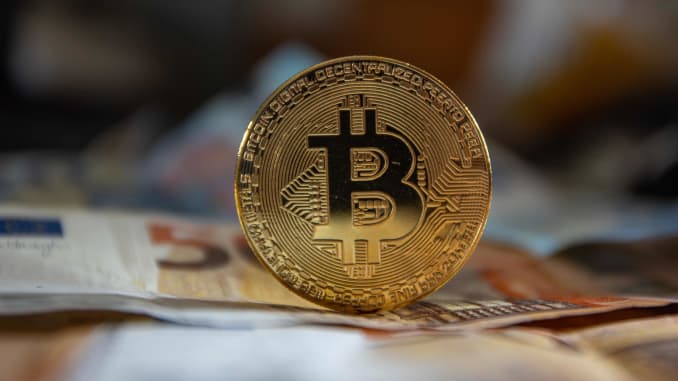
Bitcoin fizzled in Monday trading as the famously volatile cryptocurrency pulled back after a spectacular new-year rally. Prices fell as much as 17% in the biggest drop since March before recovering. The losses are small in the context of Bitcoin’s broader rally, with a 50% jump in December alone. After a parabolic 2020, the digital currency had started the new year with a bang, surging as high as $34,000 and hitting all-time highs on Sunday. As ever in the world of crypto, it’s hard to pinpoint the proximate cause for the latest bout of volatility.

3. Tesla Poised for Expansion After Just Missing 2020 Target

Tesla came close to meeting its 500,000 vehicle-deliveries goals for 2020, setting the stage for a new year in which it’s expanding in China and poised to open new factories in Texas and Germany. The electric-car maker said on Jan. 2 it handed over 180,570 vehicles in the year’s final three months, the most for any quarter but just 450 vehicles shy of the half-million mark Chief Executive Officer Elon Musk sought for the year. Tesla has been ramping up output of its more mass-market models to meet rising global demand for battery-powered cars, with 2020’s total jumping 36% from the prior year. Musk and Tesla had a remarkable year, with the company joining the S&P 500 Index in December after five consecutive quarters of profit. The shares rallied 743% in 2020, giving the carmaker a $668.9 billion stock-market capitalization. Musk ended the year as the world’s second-richest person.

4. Dollar Stumbles Into 2021 as Bets on Global Recovery Dominate

The U.S. dollar kicked off the new year with a weak start as expectations for a global economic recovery bolstered demand for riskier assets. It lost ground against almost every major currency on Monday, pushing a gauge of its strength to the lowest level in nearly three years, after purchasing managers indexes across Europe and Asia showed factory activity gathering pace. The euro rose as much as 0.7% against the dollar toward a high last seen more than two years ago, while the greenback touched the weakest level against the Chinese yuan since June 2018. 

5. U.K. Mortgage Approvals Surge to 13-Year High

U.K. mortgage approvals reached the highest since 2007 in November as housing continued to boom in spite of a broader economic downturn. The housing market is surging largely because of a tax cut on house purchases that is worth as much as 15,000 pounds ($20,000) to buyers. That’s pushed prices higher in a nation where demand has outstripped supply for decades, while measures to control the pandemic have also led to a change in working habits, boosting interest in larger properties and those outside of city centres. The jump also reflects pent-up demand from the first lockdown, when the market was largely shuttered and mortgage approvals collapsed.

6. Hong Kong Extends School Closures Until Lunar New Year

Hong Kong pushed back the re-opening of classrooms for more than a month as part of government measures to stamp out the spread of the coronavirus. The suspension of in-person classes at kindergartens through high school, a restriction originally scheduled to expire Jan. 10, will be extended until the lunar new year holidays, which begin on Feb. 12. The city reported 53 new cases for the day, 43 of which were local. Hong Kong has been one of the most aggressive places worldwide to close schools despite research from the likes of the United Nations warning about the adverse consequences of doing so.

7. Johnson Faces Third Lockdown as Virus Surges Across U.K.

Boris Johnson’s government is on the brink of another pandemic U-turn with a third national lockdown looking increasingly inevitable. A surge in infections threatens to overwhelm hospitals and throws his plan to get English children back into classrooms into disarray on a day the British prime minister had hoped to celebrate the delivery of the first shots of a Covid-19 vaccine developed by the University of Oxford and AstraZeneca. Instead, the government is back in crisis mode, with new virus cases exceeding 50,000 a day and hospital admissions soaring past the peak of the first wave in April. Johnson on Monday warned that a “surging epidemic” means stricter rules are coming.

8. Treasuries Inflation Gauge Exceeds 2% for First Time Since 2018

Traders see U.S. inflation averaging at least 2% per year over the coming decade, the first time that expectations have climbed that high since 2018. The 10-year breakeven rate — a measure that draws on pricing for inflation-linked Treasuries — rose as high as 2.0025% Monday, a level last seen more than two years ago. The gauge has gained momentum as traders prepare for an uptick in the world economy in the wake of a deal on Brexit and congressional approval for additional virus-relief aid. The roll-out of vaccinations against the coronavirus has also fueled the move higher. The Federal Reserve is setting the tone for markets, making a renewed push to revive inflation — which has been too low for years. 

9. Oil Fluctuates With OPEC+ Gathering to Decide on Feb Output

Oil swung between gains and losses ahead of an OPEC+ meeting to decide whether the group can keep lifting output as a surging virus threatens the global energy demand recovery. OPEC and its allies are gathering to gauge whether the market has the appetite to absorb another increase in supply after they raised output by 500,000 barrels a day for January. The demand outlook for the first half of this year is mixed and there are still many downside risks to juggle, OPEC Secretary-General Mohammad Barkindo said on Sunday. There are signs that lockdowns in some countries are set to be extended, potentially curbing oil demand. Germany is poised to prolong stricter lockdown measures beyond Jan. 10, while Japan is considering another state of emergency for the Tokyo area.

10. Israel Sets Pace on Vaccine Rollout; Schools Close: Virus Update

Global coronavirus infections climbed above 85 million, after daily cases in the U.S. soared to a record of nearly 300,000 following the New Year holiday. Germany is set to extend its lockdown, while Hong Kong won’t re-open classrooms for more than a month, as many nations opt to delay reopening schools. Japan’s prime minister is considering another state of emergency for the Tokyo area, with cases at records and a vaccine rollout more than a month away. Israel said it plans to vaccinate 70% to 80% of its population by April or May. The U.K. gave the first shots of AstraZeneca’s vaccine on Monday, in a race against a faster-spreading variant that’s prompted lockdowns across the country.

Categories
Market News Top 10 News Top Global News

China to take Oil-Refining Crown from U.S. – Top 10 Global News

1. U.S. Futures Rise on Vaccine Hopes

U.S. equity futures rose and the dollar weakened on signs of progress toward a Covid-19 vaccine, with AstraZeneca saying its shot prevented illnesses in most people. Pfizer Inc. and Moderna Inc. climbed in pre-market trading after a U.S. government official said immunizations may start soon. Vaccine successes lately have added to a risk-on mood in markets and investors have snapped up assets that could benefit from the end of lockdowns and travel restrictions. Energy companies posted the biggest gain among European stock sectors.

Futures on the S&P 500 Index increased 0.4% as of early morning New York time.

The Stoxx Europe 600 Index rose 0.7%.

The MSCI Asia Pacific Index gained 0.6%.

The MSCI Emerging Market Index increased 1.7%.

2. U.S. Cases Rise 110,000 a Day Since Last Month

The U.S., which recorded 177,552 new infections yesterday, is now averaging almost 110,000 more daily cases than a month ago. Vaccinations against Covid-19 in the U.S. will “hopefully” start in less than three weeks, according to the head of the federal government’s program to accelerate a vaccine. “We have patients gasping for breath, needing a ventilator to survive and too often dying,” some 2,000 employees of the University of Wisconsin health system wrote in an open letter pleading for residents to help stop the virus’s spread. British ministers will weigh the next round of pandemic restrictions on Sunday, while the French government plans a three-phase easing of lockdown measures from December. Italy is also considering a pre-holiday easing.

3. China to Take Oil-Refining Crown Held by U.S. Since 19th Century

America has been top of the refining pack since the start of the oil age in the mid-nineteenth century, but China will dethrone the U.S. as early as next year, according to the International Energy Agency. In 1967, the U.S. had 35 times the refining capacity of China. The rise of China’s refining industry is reverberating through the global energy system. Oil exporters are selling more crude to Asia and less to long-standing customers in North America and Europe. And as they add capacity, China’s refiners are becoming a growing force in international markets for gasoline, diesel and other fuels. The Covid crisis has hastened a seismic shift in the global refining industry as demand for plastics and fuels grows in China and the rest of Asia, where economies are quickly rebounding from the pandemic. In contrast, refineries in the U.S and Europe are grappling with a deeper economic crisis while the transition away from fossil fuels dims the long-term outlook for oil demand. 

4. JPMorgan Sees Possible $300 Billion Rebalancing Flow Out of Stocks

Rebalancing flows may lead to an exodus of around $300 billion (INR 22.2 lakh cr) from global stocks by the end of the year, according to JPMorgan Chase & Co. Large multi-asset investors may need to rotate money into bonds from stocks after strong equity performance so far this month.  If the stock market rallies into December, there could be an additional $150 billion of equity selling into the end of the month pension funds that tend to rebalance on a quarterly basis.

5. Dollar Falls to 2018 Lows

The dollar dropped to a two-and-a-half-year low as the prospect of vaccine roll-outs added to headwinds for the world’s reserve currency. A vaccine that offers adequate protection against infection could help power a rebound in global growth and add momentum to a rally in equities and other riskier investments. That outlook is undermining the dollar, which tends to benefit in times of heightened uncertainty. According to Citigroup Inc., the dollar is likely to drop as much as 20% in 2021 should Covid-19 vaccines become widely distributed and help revive global trade and economic growth. Morgan Stanley recommends selling the dollar in favor of stocks and credit.

6. U.S. Moves to Ban Tech Exports to 89 Chinese Firms

The Trump administration is close to issuing a list of 89 Chinese aerospace and other companies that would be unable to access U.S. technology exports due to their military ties, a move that could escalate tensions as the Biden administration prepares to take over. Such a declaration would restrict the companies from buying American goods and technology. The move could fuel already-heightened tensions between the U.S. and China on fronts ranging from trade and Taiwan to the handling of the coronavirus as President-elect Joe Biden prepares to take over from Donald Trump.

7. Europe’s Virus Lockdowns Push Economy Into Another Contraction

The widespread imposition of curbs across the 19-nation bloc means the economy is set to shrink for a third-quarter this year. The situation could worsen, and even push the region into a double-dip recession if governments are forced to extend or expand the clampdown on businesses and movement. Governments have kept up financial aid to help companies and workers, and the European Central Bank has said it’s ready to do more.  The latest lockdowns aren’t as severe as those implemented during the first wave of the pandemic, which means the contraction this quarter is expected to be limited to 1.7%. That compares with a drop of almost 12% in the three months through June. However, employment fell for a ninth straight month in November, with the services sector the worst hit.

8. India Flags Investment From Hong Kong Amid China Border Row

India is subjecting foreign investment proposals from Hong Kong at par with China as part of a new policy that makes approval mandatory for plans from countries that share a land border. Nearly 140 investment proposals valued at over $1.75 billion, mostly from China and Hong Kong — China’s special administrative region — have been put on hold pending scrutiny. Amid a border stand-off with China, the Indian government tightened rules for foreign direct investment from all nations sharing a land border, making scrutiny mandatory for such investments — a restriction that was earlier applicable only to Pakistan and Bangladesh. The delays may complicate deal-making and impact the flow of capital from private equity firms and hedge funds, which often include investors domiciled in China or Hong Kong. This may starve Indian companies of investment in the midst of the pandemic-induced economic contraction.

9. World’s Supplier of Nurses to Limit Sending New Hires Abroad

The Philippines will cap the number of newly-hired nurses and other health professionals it annually sends abroad to 5,000 starting in 2021, President Rodrigo Duterte’s spokesman said. Duterte has approved the limit, taking into account the demand for nurses and doctors in the Philippines and abroad. The Philippines is battling the second-worst coronavirus outbreak in Southeast Asia. The Philippines, which sends thousands of medical practitioners to work overseas, has lifted a ban on deployment of health workers imposed earlier this year. About 13,000 nurses leave the Philippines for work abroad annually.

10. Visa Stalls Plans to Raise Fees for Some In-Store Retailers

Visa Inc. is delaying plans to raise the swipe fees paid by certain U.S. merchants each time a customer uses a credit card in-store as the coronavirus pandemic continues to crimp commerce across the country. The network told merchants this month it will leave consumer credit card-present retail rates unchanged, citing the pandemic’s effects on in-store shopping. Visa had planned to make the biggest changes to swipe fees in a decade this year, with higher rates planned for transactions on e-commerce sites. Some retailers, such as those in real estate or education were set to see such fees decline. The network opted to delay the changes as the pandemic took hold across the U.S., forcing consumers to stay inside and crimping transactions on the firm’s network. The planned changes will now happen in April 2021.

Curated from Bloomberg.com