Categories
Market News Top 10 News Top Global News

Tesla Invests $1.5 Billion into Bitcoin – Top 10 Global News

1. Global Stocks Hit Record as Bonds Slip; Oil Rises

Investors are taking comfort from the continued rollout of vaccines and data suggesting a declining trend in infections in countries like the U.S. A Citigroup gauge of global risk aversion dropped to its lowest since the pandemic first roiled markets last year. Weaker-than-forecast U.S. jobs data Friday reinforced economic risks as the pandemic lingers, but also highlighted the case for further stimulus. President Joe Biden is pushing for a mammoth $1.9 trillion economic relief measure. Some commentators, such as former Treasury Secretary Larry Summers, have raised questions about the size of the package and risks such as much faster inflation.

Futures on the S&P 500 Index increased 0.4% as of 8:24 a.m. New York time.

The Stoxx Europe 600 Index gained 0.7%.

The MSCI Asia Pacific Index rose 0.7%.

The MSCI Emerging Market Index climbed 0.2%.

2. Trump’s Impeachment Trial a Day Away With Few Details Settled

The U.S. Senate is a day away from starting former President Donald Trump’s second impeachment trial with many of the details still to be ironed out even as the outcome — an acquittal — is all but assured. “We’re planning as well as we can based on the briefs in the case, but we don’t know how it’s going to proceed at all.” Trump’s defense team, led by Schoen and Bruce L. Castor Jr. is due to file its trial brief on Monday. They previewed their case in an initial response to the Jan. 13 House impeachment that argued the trial is unconstitutional because Trump is no longer in office, and said his fiery Jan. 6 speech to a crowd of supporters near the White House didn’t incite the violence and is protected by the First Amendment.

3. Bitcoin Jumps to Record $44,000 as Tesla Invests $1.5 Billion

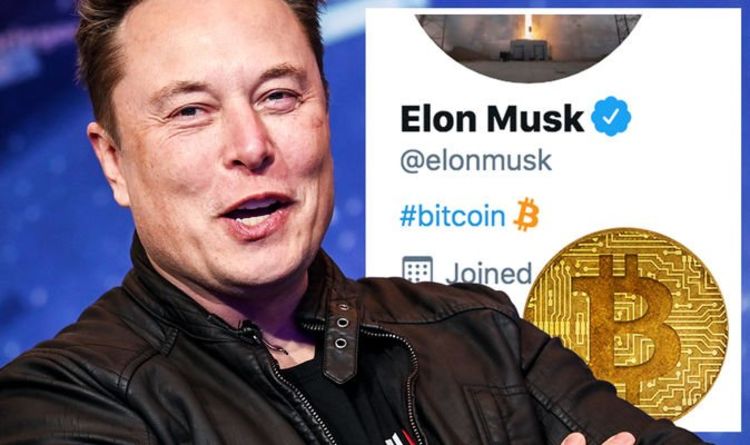
Bitcoin surged to an all-time high after Tesla said it’s invested $1.5 billion, becoming the biggest company yet to back the controversial cryptocurrency. Bitcoin jumped as much as 15% after Tesla made the disclosure in a regulatory filing, with prices exceeding $44,000 for the first time. Tesla also said it would begin accepting the digital token as a form of payment for its electric cars. That Tesla, one of the world’s most influential companies, and billionaire Elon Musk have thrown their weight behind Bitcoin is a massive sign of support for the cryptocurrency, which has been criticized by policymakers for facilitating money laundering and fraud.

4. Dogecoin Hits Another Record After Musk, Snoop Dogg Tweets

Dogecoin, the tongue-in-cheek cryptocurrency featuring a Shiba Inu dog as a mascot, briefly touched a record Monday after billionaire Elon Musk, rapper Snoop Dogg and Kiss bassist Gene Simmons tweeted about it. The token climbed to a peak of about 8.2 U.S. cents and a market capitalization of $10.5 billion during Asian trading hours Monday before pulling back. The coin was ranked among the top 10 cryptocurrencies by market value. Dogecoin’s surprising social media-fueled rally is just one instance of the revival in cryptocurrencies over the past year. The two biggest tokens, Bitcoin and Ether, both scaled fresh peaks in recent weeks.

5. Putin’s Once-Scorned Vaccine Now Favorite in Pandemic Fight

President Vladimir Putin’s announcement in August that Russia had cleared the world’s first Covid-19 vaccine for use before it even completed safety trials sparked skepticism worldwide. Now he may reap diplomatic dividends as Russia basks in arguably its biggest scientific breakthrough since the Soviet era. Countries are lining up for supplies of Sputnik V after peer-reviewed results published in The Lancet medical journal this week showed the Russian vaccine protects against the deadly virus about as well as U.S. and European shots, and far more effectively than Chinese rivals. At least 20 countries have approved the inoculation for use, including European Union member-state Hungary, while key markets such as Brazil and India are close to authorizing it. Now Russia is setting its sights on the prized EU market as the bloc struggles with its vaccination program amid supply shortages.

6. London Finance Takes Another Hit as Carbon Market Goes to EU

Intercontinental Exchange plans to move its 1 billion-euro ($1.2 billion) daily market for European carbon emissions contracts to the Netherlands from London in a blow to the U.K.’s attempts to build a green finance powerhouse after Brexit. Stuart Williams, president of ICE Futures Europe, said the decision to shift the business into the European Union will help traders and investors “manage climate price risk in the most cost-effective and seamless manner.” The market is a key plank of the EU’s efforts to combat climate change. The shift comes after the Brexit transition period ended on Dec. 31, cutting off access to most London trading from the bloc and jolting several major markets.

7. Hong Kong Stocks Are About to Lose Biggest Source of Funds

Hong Kong’s stock traders are about to find out whether the $7.3 trillion market can hold its own without its biggest source of flows. Starting Tuesday, trading links via Hong Kong’s exchange operator allowing mainland traders to buy domestic stocks will halt through Feb. 17 due to the Lunar New Year holiday. The stock connect closure will slam the brakes on record levels of inflows that helped propel Hong Kong’s equities market to its best start to a year since 1985. Investors north of the border turned bargain hunters in late 2020 after valuations in some sectors onshore reached the highest in more than a decade. Mainland investors net bought nearly $48 billion worth of Hong Kong stocks in the first five weeks of this year, which is already more than half of 2020’s total.

8. SoftBank’s Vision Fund Posts Record $8 Billion Profit

SoftBank Group reported a record profit in its Vision Fund as a surging stock market lifted the value of its portfolio companies, but founder Masayoshi Son wiped out a significant chunk of those gains with his controversial trading in derivatives. The Vision Fund reported a 844.1 billion yen ($8 billion) profit in the December quarter, surpassing record numbers set just a quarter earlier. A global rally in technology shares has boosted the value of SoftBank’s stakes in publicly traded firms like Uber and paved the way for IPOs from the likes of DoorDash. Those gains, which had been widely expected, were offset by fallout from Son’s decision last year to start dabbling in trading stocks and options. SoftBank posted a 285.3 billion yen derivatives loss in the period.

9. Facing Resistance, China Pushes Back 50 Million Vaccine Target

China has pushed back a target to inoculate 50 million people against Covid-19 by almost two months amid concerns over supply and hesitancy among the population around vaccines. The new plan, which was recently communicated to health officials, shifted the timeline for reaching 50 million shots to the end of March. People in key groups, including frontline medical workers, will continue to be the focus of the rollout — which has seen just over 31 million doses administered as of Feb.3 — with vaccination then widened to the general population in April.

10. Taiwan’s Exports Hit Record High on 5G and Holiday Demand

Taiwan exported a record amount in January, fueled by rising demand for computer chips and by companies rushing to get components ahead of the Lunar New Year holidays in February. Shipments surged almost 37% to $34.3 billion, the most in data going back to 1981. Imports also hit a record over the same period, up almost 30%. Taiwan’s economy was one of the strongest performers globally in 2020, with quick domestic suppression of Covid-19 and booming overseas demand for its goods driving strong exports and company profits. That trend looks to be extending into 2021.

Curated from Bloomberg.com

Categories
Market News Top 10 News Top Global News

Stocks Rally Worldwide as CoVID slows – Top 10 Global News

1. Global Stocks Rally; Silver Jumps to 2013 High

Global stocks and U.S. futures climbed as concern over volatile retail trading receded and China took steps to ease a cash crunch. Silver surpassed $30 an ounce for the first time since 2013 in a Reddit-fueled buying frenzy. GameStop, AMC extended gains in early U.S. trading. The MSCI Asia Pacific Index added 1.7%, the biggest gain in three weeks. Silver futures surged as much as 12% as speculators flocked to the metal and a weekend buying binge overwhelmed online sellers of bars and coins. 

Futures on the S&P 500 Index increased 0.9% as of 8:56 a.m. New York.

The Stoxx Europe 600 Index declined 1.9%.

The MSCI Asia Pacific Index advanced 1.6%.

The MSCI Emerging Market Index advanced 1.6%.

2. Biden’s Promised $1,400 Checks Are Dividing the White House

Even within President Joe Biden’s White House, there’s debate about how to meet his promise to issue Americans another $1,400 each in stimulus checks. At least two of the president’s top economic advisers, Heather Boushey and David Kamin, have privately expressed reservations about the size of the checks and at what level they would begin to phase out for higher-income people. The aides worry that the checks will cost so much that there won’t be enough left over in Biden’s proposed pandemic relief bill for other priorities – supplemental unemployment benefits, an expanded child tax credit, or aid to states and local governments.

3. Apple Selling Bonds After Cautious Outlook Masks Best Quarter

Apple is selling bonds just days after a blowout period for sales, still eager to take advantage of cheap borrowing costs amid a cautious earnings outlook. The company is issuing debt in six parts. The longest portion of the offering, a 40-year security, may yield between 115 and 120 basis points above Treasuries. Apple is coming off a quarter in which revenue topped $100 billion for the first time. Executives didn’t provide an official forecast in reporting earnings but warned that sales growth from AirPods and other wearables will decelerate in the current period. The tech giant said it will use the proceeds for general corporate purposes, including buying back stock and paying dividends. It may also be used in funding for working capital, capital expenditures, acquisition and repayment of debt.

4. India to Borrow Big for Nearly Half-Trillion Dollar Budget

India unveiled a spending plan worth almost a half-trillion dollars as Prime Minister Narendra Modi’s government seeks to dig Asia’s third-largest economy out of a pandemic-induced slump. Fueled by bigger-than-expected spending deficits and borrowing, as well as sales of government assets and dividends from state firms, the 35 trillion rupees ($480 billion) budget sent bonds tumbling and stocks rallying. It also aims to bolster the nation’s financial stability, by increasing the foreign investment cap in insurance to 74% from 49%, planned to set up separate firms to manage stressed debt held by banks and to buy investment-grade bonds to boost confidence in the nation’s corporate debt market.

5. HSBC Doubles Down on China With New Greater Bay Area Office

HSBC will establish an office to spearhead its strategy in China’s fast-growing Greater Bay Area, stepping up its bet on the world’s second-largest economy. Daniel Chan, currently head of business banking at HSBC in Hong Kong, was named head of the unit, which will oversee the strategy to “capture opportunities” in Guangdong, Hong Kong and Macau. The move comes as Hong Kong leader Carrie Lam last week endorsed a stronger presence for HSBC in the former British colony, where it has come under criticism for freezing the accounts of activists and supporting the financial hub’s sweeping national security law. Hong Kong’s government has embraced closer ties with China since unrest hit the city in 2019, promoting the Greater Bay Area concept that seeks to create a Silicon Valley-style regional economic zone with the nearby mainland cities of Guangzhou and Shenzhen.

6. Melvin Lost 53% in January, Hurt by GameStop, Other Bets

Melvin Capital lost about 53% in January on GameStop and more than a dozen other bets after the firm found itself on the receiving end of a short squeeze started by retail investors motivated on Reddit. Melvin now has the lowest amount of leverage since the firm was founded in late 2014. The hedge fund said last week that it had “repositioned the portfolio,” including covering its GameStop short.

7. Nintendo Smashes Expectations With Best Quarter Since 2008

Nintendo raised its annual forecasts a second time after continued momentum for the Switch console helped the company to its best quarterly earnings since 2008. The Kyoto-based games company reported operating profit of 229.7 billion yen ($2.2 billion). Nintendo now expects full-year Switch sales of 26.5 million units, having already surpassed its previous projection of 24 million. The company also boosted its forecast for operating profit by 24% on the back of a surge in sales brought on by the coronavirus outbreak and hit game Animal Crossing: New Horizons. Sales remained strong even after the holidays and Nintendo has sufficient components supply for now despite industry-wide shortages.

8. London Bankers Face Location Limbo as ECB Targets Brexit Moves

A senior banker hired to work in London last year was asked just weeks later to pack his bags and move to Europe. Some trading managers at one U.S. bank still don’t know whether they’ll be able to stay in the U.K., while a young trader starting a new job at a European lender this month is waiting to learn just where that job will be. Despite years of planning for Brexit, global banks and their employers face continuing uncertainty as a threadbare trade deal for financial services and a pandemic keep the world in flux. Meanwhile, regulators are cranking up pressure on banks to execute relocation plans that were set out before Britain left the bloc on Dec. 31. 

9. EU Wins Boost From Bayer; U.K. Gets Vaccines: Virus Update

Chancellor Angela Merkel will hold crisis talks with pharmaceutical executives, regional German leaders and European Commission officials Monday to speed up the continent’s stuttering vaccination push. In a shot of welcome news before the meeting, Bayer agreed to produce CureVac NV’s experimental coronavirus vaccine to help speed up the roll-out of a promising shot. Meanwhile, Valneva, a French vaccine developer, said the U.K. government exercised an option to order 40 million extra doses of its shot for next year. Infections continued to show a slowing trend across many regions of the globe, including the U.S., though concerns remain about new variants. Italy will ease restrictions for most of the country starting Monday.

10. JPMorgan Strategists: Reddit Army Won’t Spur Big Market Drop

The battle between retail traders and hedge funds is unlikely to cause a major setback for markets, according to JPMorgan Chase & Co. Major drawdowns have usually occurred when there’s a worse outlook for growth, as well as signs of overvaluation beyond price-earnings ratios and credit spreads, JPMorgan strategists led by John Normand wrote in a note Friday. Few markets show signs of extraordinary price momentum or excessive investor leverage, he said. “The retail versus hedge fund conflict unfolding currently should be much less severe than the roughly 10% drops that have been occurring almost annually for the past two decades,” Normand wrote. “Our bubble tracker based on extreme price momentum, valuations and investor leverage isn’t flashing red at the asset class level, even if it might at the security level.”

Categories
Market News Top 10 News Top Global News

Weak Market Sentiments Continue – Top 10 Global News

1. Futures Drop With Stocks; Bond Yields Rise

American equity futures slid along with stocks in Europe Friday amid lingering concerns about volatile retail-trader speculation in the U.S. and a cash squeeze in China. Treasury yields ticked higher and the dollar erased gains. S&P 500 futures dropped after the U.S. gauge rebounded Thursday from its worse loss since October. Crude oil inched higher and gold rose. The Stoxx Europe 600 index declined, though it pared losses after data from three of the euro area’s largest economies suggested the region can avoid a deeper recession, while still facing headwinds from extended coronavirus lockdowns. 

The Stoxx Europe 600 index dropped 0.8% by 7:04 a.m. in New York.

S&P 500 futures slipped 0.6%.

The MSCI Asia Pacific index fell 1.4%.

The MSCI Emerging Markets index dropped 0.9%.

2. Oil Holds Steady Amid Economic Data, Fears Over Demand

Oil steadied amid surprisingly robust economic data from Europe, while the spread of a new Covid-19 variant and lockdowns raised concerns about the near-term recovery in fuel demand. WTI futures held above $52 a barrel after the biggest decline in almost a week on Thursday. Three of the euro area’s four largest economies — Germany, France and Spain — rounded off the pandemic year suggesting the region can avoid a deeper recession. The virus variant identified in South Africa has reached the U.S. just as Europe is set to tighten its rules on the export of vaccines. Stay-at-home orders to combat the spread of the disease have hit travel and crimped consumption of fuels from China to Los Angeles. India’s demand for diesel, the country’s most-used fuel, is also struggling to shake off the pandemic’s crippling effects on its economy. The crawl back to pre-virus levels will be slow.

3. Biden Covid Team Derides Trump Plan Using Its Old Playbook

President Joe Biden and his top advisers have derided the Trump administration’s playbook for distributing coronavirus vaccines, but so far have made only modest changes to the plan that’s meeting their target pace of more than one million shots a day. Biden has said vaccine distribution was in “worse shape than we anticipated.” White House Chief of Staff Ron Klain said a Trump administration plan “did not really exist.” Adviser Cedric Richmond said they “didn’t leave a plan.” Xavier Becerra, Biden’s choice for health secretary, said it was like taking over a plane in a nosedive. But while Biden’s approach to the virus — frank warnings about the pandemic, mask mandates on federal property — is a reversal from Trump’s policies, his administration’s distribution of vaccines so far looks little different from that of its predecessor.

4. Bitcoin Investors May Lose Everything, Central Banker Warns

Bitcoin investors need to be prepared to “lose all their money,” European Central Bank governing council member Gabriel Makhlouf said, the latest warning from a central banker on the cryptocurrency. Makhlouf’s comments echo scepticism from ECB leaders. The cryptocurrency is a “highly speculative asset,” President Christine Lagarde said this month. Bitcoin prices have more than doubled since November and topped $40,000 earlier this month. Large movements in its value are common, with four daily swings of more than 5% in the past nine days.

5. Robinhood Raises $1 Billion in Dash for Cash After Trader Revolt

New York markets had just fired up, and the investing world was tuning in for Thursday’s episode of the continuing drama: Legions of Robinhood Markets investors versus hedge-fund Goliaths. But within minutes, a shock wave invisible to the outside world rattled the mechanics of Wall Street — sending Robinhood rushing for more than $1 billion of additional cash. The stock market’s central clearing hub had demanded large sums of collateral from brokerages including Robinhood that for weeks had facilitated spectacular jumps in shares such as GameStop. The Silicon Valley venture with the wildly popular no-fee trading app came to a crossroads. It reined in the risk to itself by banning certain trades and unwinding client bets — igniting an outcry from customers and even U.S. political leaders. By that night, word was emerging that Robinhood had raised more than $1 billion from existing investors and drawn hundreds of millions more from bank credit lines to weather the storm. 

6. Mexico Deaths Surpass India’s; WHO Team in Wuhan: Virus Update

Mexico overtook India as the country with the third-highest number of fatalities after the U.S. and Brazil. The virus variant identified in South Africa reached the U.S. with two cases found in South Carolina. Struggling to keep up in the vaccination drive, the European Union is poised to tighten rules on vaccine exports, while European Commission President Ursula von der Leyen slammed AstraZeneca for cutting the number of doses it would deliver to the bloc in the first quarter. In China, a team from the World Health Organization began meetings in Wuhan to try to understand the genesis of the coronavirus.

7. GameStop Shows Rising Power of Retail Traders: Reddit CEO

Reddit Inc. Chief Executive Officer Steve Huffman said on Thursday that the WallStreetBets forum is “by no means perfect but they’ve been well in the bounds of our content policy.” He said anyone who thinks the users of the forum are “idiots” should spend more time reading the discussions. “It’s this idiot swagger that masks what I think is this charming intelligence,” Huffman said. The forum’s unprecedented influence on GameStop’s stock shows that markets must adapt to a world where retail investors are gaining some of the power big financial firms have long held, according to Alexis Ohanian, co-founder of the online forum.

8. Taiwan’s GDP Growth Outpaces China’s for After 30-Year Gap

Taiwan’s economic growth outpaced that of China’s for the first time in 30 years, helped by its early control of the virus and stellar export performance. Gross domestic product expanded 2.98% last year, compared with China’s 2.3% rise. Taiwan was able to avoid the strict lockdowns last year that brought most other economies to a halt. With a few exceptions, Taiwanese businesses, offices and schools stayed open throughout the year and there was something of a boom in domestic travel as people opted to vacation at home rather than head overseas. 

9. Pfizer, BioNTech Covid Vaccine Safe for the Elderly, EMA Says

Pfizer and BioNTech’s vaccine for Covid-19 is safe for older people, a Europe-wide review found, with no link between the shot and the deaths of elderly vaccinated people. The review found no new side effects as the vaccine has been rolled out. The European Medicines Agency’s safety panel analyzed deaths in light of other medical conditions the people had, as well as the fatality rate for corresponding age groups in the general population, the EMA said in a statement. Reports of deaths in Norway earlier this month caused concern around the world, with people watching for signs of potential side effects from the vaccines being introduced with unprecedented speed.

10. U.K. Bans Flights From Dubai, Rest of UAE to Stop New Strain

The U.K. banned direct passenger flights from the United Arab Emirates to stop the spread of a new virus strain originally identified in South Africa, putting one of the world’s busiest international air routes on ice. Starting 1 p.m. U.K. time, passengers who’ve been in or transited through the UAE in the previous 10 days will also no longer be allowed to enter the country. Visitors from Burundi and Rwanda in Africa are barred as well. Exemptions usually in place, including for business travel, will no longer apply.

Categories
Market News Top 10 News Top Global News

World Markets Turn Bearish – Top 10 Global News

1. S&P 500 Drops the Most Since October; Dollar Jumps

U.S. equities dropped alongside European stocks as a risk-off mood descended on markets. The dollar jumped the most since June and Treasury yields fell. The S&P 500 Index headed to its biggest decline in three months, losing about 2%, with small-cap stocks faring even worse. 

The Stoxx Europe 600 Index declined the most in five weeks as the European Union and AstraZeneca disagreed over vaccine delivery delays. The euro fell after a European Central Bank official said it has the necessary tools to avoid further strengthening of the currency. Officials in the U.K. announced new rules to try to curb the spread of Covid-19 and Germany cut its 2021 economic growth forecast to 3% from 4.4%.

The S&P 500 Index fell 2% as of 9:49 a.m. New York time.

The Stoxx Europe 600 Index declined 1.9%.

The MSCI Asia Pacific Index fell 0.7%.

The MSCI Emerging Market Index dipped 1.3%.

2. GameStop Skeptics Citron, Melvin Succumb to Short Squeeze

Melvin Capital and Citron Capital closed out of their short positions on GameStop as the firms succumbed to the stock’s meteoric ascent. Melvin Capital closed its position after repositioning its portfolio. The gaming retailer surged even higher in U.S. premarket trading after an Elon Musk tweet fanned the flames of the stock’s rally that has sent the company’s market value beyond $10 billion. Short sellers have come under ferocious attack as crowds of retail investors pile into the least-loved names on Wall Street. The 50 most-shorted companies on the Russell 3000 Index have surged 33% so far this year, with the Goldman Sachs basket set for its best month since at least 2008.

3. Oil Steady With Market Structure Pointing to Tight Global Supply

Oil steadied near $53 a barrel as signs of tightening supplies around the world offset concerns over the pandemic’s latest hit to demand. U.S industry data pointed to a sharp drop in the nation’s crude stockpiles last week. Saudi Arabia and Iraq are throttling back supplies next month as the OPEC+ coalition seeks to shore up prices against resurgent virus infections and new lockdowns. Russia is reducing seaborne exports and Libya has seen shipments interrupted by internal turmoil. As a result, the overall market structure is reflecting a much stronger picture. 

4. Wall Street’s Eyes on Riyadh Just as Wealth Fund Pivots Home

Saudi Arabia’s $400 billion sovereign wealth fund will find it tough to repeat its success of recent years when it made its mark globally as a source of cash for asset managers, tech entrepreneurs and tycoons. Ahead of the kingdom’s flagship investment conference this week, Saudi Crown Prince Mohammed bin Salman laid out the fund’s strategy through 2025. It’ll spend at least $40 billion a year at home, creating new cities and industries, along with 1.8 million jobs. It plans to more than double assets it controls to over 4 trillion riyals ($1.1 trillion), putting it on par with the current size of Norway’s sovereign fund, the world’s biggest.

5. The World’s Best Stock Rally Is in Sri Lanka

Sri Lanka stocks have returned a world-beating 30% so far in 2021 as domestic investors get more active. Local traders have bought a gross 155 billion rupees ($802 million) worth of equities this month through Tuesday — already 45% of the total domestic purchases last year, according to data from the Colombo Stock Exchange. That’s as overseas investors continue to exit the market, dumping a net $25 million of shares in January on top of the $273 million sold in 2020. 

6. China’s Insatiable Corn Demand Paves Way for Highest Prices

Corn’s surge to a seven-year high on the back on unrelenting Chinese demand looks like it could have a lot further to go. Prices posted one of the biggest gains in recent years on Tuesday after China made its largest one-day purchase from the U.S. since July. China is scooping up record amounts of U.S. corn to feed a pig herd recovering from a deadly virus. That’s helped grain markets hit multi-year highs, stoking worries over global food inflation at a time when hunger is surging around the world due to the Covid-19 pandemic. Money managers are also betting on a continued rally, with bullish wagers on corn near the highest in a decade.

7. ECB Officials Agree to Counter Investor Rate-Cut Skepticism

European Central Bank policymakers are uncomfortable that investors appear to be largely ruling out more interest-rate cuts, and have agreed to stress that such stimulus remains a viable option. The Governing Council last week discussed how market pricing foresees little chance of a reduction further below zero and concurred on the need to highlight that possibility. The euro extended its decline on the news, falling 0.8%, while the yield on 10-year German debt slid three basis points to -0.57%. Money markets brought forward bets on a five-basis-point rate cut to July, from September earlier.

8. UBS Wealth: It’s Time to Bet Big on Emerging Markets Shares

Emerging-market stocks, particularly those in Russia and Latin America, will be the hottest items for equity investors this year. That’s the view of the wealth management arm of UBS Group, which oversees more than $4 trillion for its clients. A reviving global economy helped by vaccine rollouts, reduced uncertainty around U.S. foreign policy, a weaker dollar, stronger commodities and stimulus in major markets should all align behind this theme. In response, UBS Wealth Management has shifted its preference in equities to developing countries, which are more sensitive to global growth and are cheaper than developed markets. MSCI’s emerging-market index trades at 16 times expected earnings in the next 12 months, well below a P/E ratio of 22 times for the S&P 500 and less than the 17 times for the Stoxx Europe 600.

9. Frozen Fish Pileup in China Threatens Global Supply Chains

A huge pile-up of fish cargoes at a Chinese port risks impacting shipments of frozen food across the country and beyond. Hundreds of containers are being held up in Dalian, a major port for seafood imports, as local authorities test the fish for the coronavirus before allowing them to clear customs. That’s leading to scant availability of electric outlets to keep refrigerated containers, known as reefers, cold. The shortage of plug points and dwindling space at the port have prompted shipping liners to cancel new reefer bookings, and the congestion is now spreading to other refrigerated items like fruit and dumplings. It also means frozen containers are being diverted to other ports in China, leading to bottlenecks in Shanghai and Qingdao too.

10. Putin Warns of Global Tensions Similar to 1930s in Davos Speech

Russian President Vladimir Putin said the world risks sliding into an “all against all” conflict amid tensions caused by the Covid-19 pandemic and growing economic inequality. Addressing the World Economic Forum on Wednesday for the first time in 12 years, Putin drew parallels with the 1930s when he said a failure to resolve international problems sparked World War II. “Today, such a global hot conflict is, I hope, in principle impossible,” Putin said in his online speech to The Davos Agenda. “But, I repeat, the situation can develop unpredictably and uncontrollably,” Putin spoke a day after Russia and the U.S. exchanged diplomatic notes agreeing to a five-year extension of the 2010 New START treaty limiting strategic nuclear weapons that were due to expire Feb. 5. Russia’s parliament voted unanimously to back the extension on Wednesday.

Categories
Market News Top 10 News Top Global News

Global Rally Slows amid Fear of Economic Revival – Top 10 Global News

1. U.S. Stocks Slump With Virus Concerns Back to Fore

U.S. stocks dropped as restrictions to curb coronavirus cases dented some of the optimism over earnings and plans for additional stimulus. Energy companies were among the worst performers on the S&P 500 Index. The Stoxx Europe 600 index headed for its second straight weekly drop as a gauge of private-sector activity in the euro region fell deeper into contraction and Germany cut its forecast for economic growth. Yields on Treasuries and German bunds edged lower, and crude oil slid below $53 a barrel. The British pound weakened after Prime Minister Boris Johnson said the U.K.’s third lockdown could last into the summer.

The S&P 500 lost 0.5% by 10:34 a.m. New York time.

The Stoxx Europe 600 Index fell 0.7%.

The MSCI Asia Pacific Index dropped 0.7%.

The MSCI Emerging Markets Index slipped 1%.

2. Biden Calls for ‘Wartime’ Virus Fight as GOP Lawmakers Balk

President Joe Biden warned the nation to prepare for its darkest days in the yearlong pandemic, predicting that as many as 100,000 more Americans will die over the next month as he overhauls the federal coronavirus response and presses Congress for more aid. But Biden’s plea for the nation to assume a “wartime” footing did not immediately sway a recalcitrant Congress, where Republican opposition to his $1.9 trillion pandemic relief plan only hardened. Even some liberal Democrats made clear they would not rubber-stamp the new president’s approach. Highlighting the enormous stakes for his presidency, Biden unveiled the new administration’s 200-page blueprint for battling the pandemic on Thursday, his first full day in office.

3. Pfizer Vaccine Safe for Elderly Despite Norway Scare: WHO

The World Health Organization said it sees no evidence that Pfizer and BioNTech Covid-19 vaccine contributed to the deaths of elderly people and urged that the shot still be used. Reports of deaths “are in line with the expected, all-cause mortality rates and causes of death in the sub-population of frail, elderly individuals, and the available information does not confirm a contributory role for the vaccine in the reported fatal events,” the WHO Global Advisory Committee on Vaccine Safety said in a statement on Friday. The risk-benefit balance of the vaccine “remains favourable in the elderly.”

4. U.K. Says Covid-19 May No Longer Be Spreading Exponentially

The coronavirus pandemic may no longer be spreading exponentially in the U.K., according to government data suggesting the country’s third lockdown is working. The official estimate of the “R rate” — which measures how many people each infected person passes the virus on to — fell to between 0.8 and 1, the results released on Friday showed. When R is above 1 the virus spreads exponentially. Last week, the R rate was estimated to be between 1.2 and 1.3. The government said the case rates remain “dangerously high” and urged the public to keep to lockdown rules. 

5. Samsung Considers $10 Billion Texas Chipmaking Plant

Samsung Electronics Co. is considering spending more than $10 billion building its most advanced logic chip-making plant in the U.S., a major investment it hopes will win more American clients and help it catch up with industry leader Taiwan Semiconductor Manufacturing Co. The world’s largest memory chip and smartphone maker is in discussions to locate a facility in Austin, Texas, capable of fabricating chips as advanced as 3 nanometers in the future. Plans are preliminary and subject to change but for now, the aim is to kick off construction this year, install major equipment from 2022, then begin operations as early as 2023. 

6. EU’s McGuinness Warns City of London ‘Change is Coming’

The European Union’s top financial-services official warned the City of London that any deal for the industry remains a distant prospect. Mairead McGuinness, the European commissioner for financial services, said that “change is coming,” and “there is no recreating the single market for financial services when they have decided to leave the single market. With the financial industry largely sidelined in the trade deal enacted when Britain finally split from the EU on Dec. 31, firms are racing to adjust to the rupture in European markets. London lost more than 6 billion euros ($7 billion) in daily stock trades to EU venues on Jan. 4, the first business day after the transition period.

7. India Proposes Regulating Big Shadow Lenders More Like Banks

India’s central bank proposes tighter regulations for large shadow lenders to prevent events such as the collapse of a major financier in 2018, the effects of which still linger in the nation’s financial system. The Reserve Bank of India suggests classifying so-called non-bank financial companies into four categories based on parameters including the size of assets, according to a discussion paper released Friday. It proposes imposing a 9% core capital requirement on the top tier — just like banks — and they will be allowed to take on only limited leverage. The RBI has since begun tightening oversight on the sector.

8. Iran Says It’s Reviving Oil Output to Pre-Sanctions Levels

Iran has started ramping up its oil production and expects to reach pre-sanctions levels in one to two months, Deputy Oil Minister Amir Hossein Zamaninia said. The oil market will be able to accommodate Iran’s maximum oil output of around 3.9 million to 4 million barrels a day. Subject to punitive U.S. sanctions, the country is barely pumping around half that amount currently. Iran has been subject to tough U.S. sanctions since 2018 when the administration of then-President Donald Trump unilaterally withdrew from an international deal that restricted the Middle Eastern country’s nuclear activities.

9. Saudi Arabia, Brazil Set to Get Vaccines as India Begins Exports

India will begin commercial shipments of Covid-19 vaccines to Brazil and Morocco Friday, followed by Saudi Arabia and South Africa, as Prime Minister Narendra Modi attempts to burnish his credentials as a key global leader. ”There’s huge international demand for our vaccines,” Foreign Secretary Harsh Shringla told in an interview. “We expect to see more global players cooperating with their Indian counterparts in the pharma and healthcare sectors. This is likely to go beyond shifting parts of supply chains to India. We expect to see collaborations, manufacturing and R&D tie-ups in this field.” The inoculations being exported so far have been manufactured by the Serum Institute of India — the world’s biggest vaccine manufacturer by volume — which has partnered with AstraZeneca to make at least one billion doses of their shot. 

10. Bitcoin’s Worst Week Since March Rattles Faith in Crypto Boom

The sharp selloff in Bitcoin this week is stoking fresh questions about the sustainability of the cryptocurrency boom. Prices for the digital asset have tumbled 14% this week, marking the steepest decline since March. Bitcoin was steady on Friday, holding near $31,000 and commentators have cautioned that a sustained drop below $30,000 could presage further losses. Bitcoin’s surge to a record of almost $42,000 on Jan. 8 embodied the embrace of risk in financial markets awash with stimulus. Some argue Bitcoin is also becoming a more mainstream investment with a role to play in hedging risks such as dollar weakness and faster inflation. Others see little more than speculative mania since the digital coin has more than tripled in the past year.

Categories
Market News Top 10 News Top Global News

Jack Ma resurfaces after Ages – Top 10 Global News

1. Europe Stocks Rise With Futures; Dollar Declines

European stocks tracked U.S. equity futures higher on Wednesday, buoyed by earnings and hopes for more stimulus. The dollar extended its retreat. Nasdaq futures rallied and tech shares led gains in the Stoxx 600 Index following strong earnings from Netflix and chipmaker ASML Holding NV. S&P 500 contracts edged higher a day after Janet Yellen unveiled a $1.9 trillion Covid-19 relief proposal to lawmakers. In Asia, Chinese firms trading in Hong Kong saw the bulk of gains, and the Hang Seng Index approached the 30,000 level.

The S&P 500 Index jumped 0.7% as of early morning time in New York.

The Stoxx Europe 600 Index increased 0.1%.

The MSCI Asia Pacific Index increased 1.2%.

The MSCI Emerging Market Index increased 1.3%.

2. Biden Sweeps Executive Orders to Reverse Trump Legacy

President-elect Joe Biden plans to begin immediately unwinding President Donald Trump’s policies on immigration, climate and other issues on Wednesday with at least 15 executive actions, including moves to reverse U.S. withdrawals from the Paris Agreement and the World Health Organization and stop construction of a border wall. Biden will also sign orders revoking a permit for the controversial Keystone XL pipeline, imposing a mask mandate on federal property to combat the coronavirus pandemic and ending Trump’s travel ban against some predominantly Muslim and African countries.

3. Jack Ma Emerges for First Time Since Ant, Alibaba Crackdown

Jack Ma resurfaced for the first time since China’s government began clamping down on his business empire nearly three months ago, appearing in a live-streamed video that sent Alibaba’s stock soaring but left plenty of unanswered questions about the billionaire’s fate. Ma spoke briefly on Wednesday during an annual event he hosts to recognize rural teachers. In one video of the event circulated online, China’s most famous entrepreneur can be seen touring a primary school in his hometown of Hangzhou. Ma, who had stayed out of public view since regulators suspended the IPO of his fintech company Ant Group, told the teachers he’ll spend more time on philanthropy. He didn’t mention his run-ins with Beijing.

4. Disney Cuts Iger’s Pay 56% to $21 Million, Axes Bonuses

Walt Disney Executive Chairman Bob Iger saw his pay decline 56% to $21 million last year. Chief Executive Officer Bob Chapek, who was promoted to Iger’s former role at the end of February, earned $14.2 million, one of the lowest compensation levels for a Disney CEO in more than a decade. Bonuses were eliminated for the company’s most highly compensated executives. Disney was hit in myriad ways by the Covid-19 crisis, but also saw some businesses thrive. The world’s largest entertainment company closed theme parks and docked cruise ships around the world. Like other Hollywood studios, it postponed releases of films in theatres, while the loss of live sports on television earlier in the year crimped the company’s advertising business.

5. China ETF Overtakes BlackRock as Investors Avert Sanctions

A Chinese exchange-traded fund has surpassed BlackRock’’s ETF to become the largest tracking onshore stocks. China Asset Management (Hong Kong) Ltd.’s CSI 300 Index ETF grew to $2.7 billion in assets as of Tuesday, surpassing BlackRock’s iShares fund tracking the FTSE A50 China Index. Investors are shifting to the Chinese-owned CSI 300 index fund partly to avoid U.S. sanctions, which forced New York-based BlackRock to unload shares in popular telecom stocks such as China Mobile Ltd. Buyers have also been attracted to the index’s broader holdings, compared with the finance-heavy FTSE A50.

6. Ethereum May Surge Sevenfold to $10,500

Ether, the second-largest cryptocurrency, could climb more than sevenfold to $10,500 after reaching a record this week, according to Fundstrat Global Advisors LLC. Strategist David Grider’s prediction is based in part on the popularity of the related Ethereum blockchain for so-called decentralized finance applications. Ethereum has also made progress toward a network upgrade that would allow it to process a similar number of transactions as Mastercard and Visa. Decentralized finance, or DeFi, allows people to do things like lend or borrow funds without the need for traditional intermediaries such as banks. Many DeFi applications are run on the Ethereum blockchain.

7. U.K., Belgium Among Nations Seeking Cheaper Indian Vaccines

India says it can increase its production of Covid-19 vaccines to 500 million per month for export, as it fields interest from the U.K., Belgium, and countries across the Middle East and Africa seeking access to cheaper inoculations. The South Asian nation can boost its production on expectations that vaccine demand will rise by the end of this week. South Africa, Kenya and Nigeria are among African nations in talks for supplies. New Delhi on Wednesday began shipping out vaccines to six neighbouring countries — Bhutan, Bangladesh, Nepal, Myanmar, Maldives and Seychelles — and is waiting for regulatory clearances from Sri Lanka, Afghanistan and Mauritius to send out the shots, the Indian foreign ministry said in a statement Tuesday.

8. Yellen Opens Debate on Giant Spending Saying ‘World Has Changed’

Janet Yellen invoked an enduring era of low-interest rates in delivering the Biden administration’s opening argument to lawmakers for its $1.9 trillion Covid-19 relief proposal. President-elect Joe Biden’s pick for Treasury secretary told the Senate Finance Committee in testimony Tuesday that the slew of spending — from aid to small businesses and the unemployed to funding for state governments — was needed to fight the pandemic while playing down concerns about the debt it creates.

9. Trump Pardons Bannon, Lil Wayne, Broidy, But Not Himself

Donald Trump granted clemency to dozens of people on Wednesday, including his former strategist Steve Bannon, the rapper Lil Wayne and former Detroit Mayor Kwame Kilpatrick, in one of his final official acts as president. A list of pardons and commutations the White House released early Wednesday, Trump’s last day in office, doesn’t include the president himself. Trump had discussed preemptively pardoning himself and associates, but some advisers had cautioned the president against what would have been an unprecedented action. Trump didn’t grant clemency to Wikileaks founder Julian Assange or former U.S. intelligence contractor Edward Snowden.

10. Aldar Shares Jump as AbuDhabi Signs Off on $12 Billion in Deals

Aldar Properties climbed the most in almost three months after Abu Dhabi signed off on deals worth $12.3 billion. The company will take on the management of 30 billion dirhams ($8.2 billion) in developments and provide oversight for projects worth 10 billion dirhams in education, health-care and infrastructure. Aldar will also manage 5 billion dirhams of projects that were awarded by the government in 2019. The shares rose as much as 15% shortly after trading started, and trimmed their gains to 8% as of 11 a.m. local time.

Categories
Market News Top 10 News Top Global News

VW vs Tesla Showdown in China EV Market – Top 10 Global News

1. Stocks Rise, Bonds Slip Before Yellen Hearing

U.S. stocks pushed toward all-time highs on the final full day of Donald Trump’s presidency, with Wall Street looking to Treasury Secretary nominee Janet Yellen’s confirmation hearing. The S&P 500 Index rebounded from Friday’s selloff after a three-day weekend that brought little by means of fresh macro news. Asian stocks notched strong gains, while moves in Europe were more muted. Ten-year Treasury yields climbed back to 1.1% and the dollar weakened. Yellen is expected to speak before the Senate Finance Committee at 10 a.m. in a discussion likely to cover topics including President-elect Joe Biden’s $1.9 trillion Covid-19 relief plan.

The S&P 500 Index jumped 0.7% as of early morning time in New York.

The Stoxx Europe 600 Index increased 0.1%.

The MSCI Asia Pacific Index increased 1.2%.

The MSCI Emerging Market Index increased 1.3%.

2. VW Competes With Tesla in China With New Electric SUV

Volkswagen has set the starting price of its first locally built all-electric sports-utility vehicle with its Chinese partner FAW Group at 199,900 yuan ($30,800) after subsidy, descending into the mass market as a growing number of players jostle for share. The ID.4 Crozz is built on VW’s MEB electric vehicle manufacturing platform, which is also used in some models of Audi and Skoda. The car is cheaper than Tesla’s recently launched Model Y crossover, which starts at 339,900 yuan and isn’t eligible for subsidies. The vehicle can run as far as 400 kilometers (249 miles) on a single charge. VW is also selling a version with a range of 550 kilometers, starting at 219,900 yuan. China is a critical market for Germany’s VW; its sprawling Chinese operations account for about 40% of global vehicle deliveries and a large chunk of profits.

3. Homeless Danes Get Early Vaccination in EU’s Fastest Program

Denmark has added homeless people to the list of those set to be vaccinated against Covid-19 early on, as the country barrels ahead of the rest of the European Union in inoculating its population. Almost 3% of Danes have now received at least one immunization shot since the program started shortly after Christmas. Denmark, like many other countries, is grappling with the U.K. variant of the virus, which has proved to be considerably more contagious. The reproduction rate of the new strain is 1.16, according to a report published by Danish authorities on Tuesday. That’s almost twice the overall transmission rate of the virus, which has dropped to 0.6.

4. Trump Leaves Town an Outcast, Trailed by Pandemic, Job Losses

Donald Trump departs Washington on Wednesday with Americans more politically divided and more likely to be out of work than when he arrived, while awaiting trial for his second impeachment — an ignominious end to one of the most turbulent presidencies in American history. Trump intends to leave in the morning for his Mar-a-Lago club in Palm Beach, Florida, arriving before President-elect Joe Biden is inaugurated. There, the ex-president will begin his post-presidency life attended at least temporarily by a handful of former White House staffers.

5. BofA Clients With $561 Billion Say Bitcoin Is Most Crowded Trade

For the first time since 2017, Bank of America clients with $561 billion combined say Bitcoin is the world’s most crowded trade as speculative euphoria hits Wall Street. Investors surveyed by the investment bank this month see signs that long positions in the largest digital currency are reaching unprecedented levels, while retail traders and institutional names join the crypto boom. The survey also shows investor positioning is booming across reflation strategies from small caps and value companies to emerging markets.

6. GM, Microsoft Lead $2 Billion in Funding for Driverless Startup

General Motors and Microsoft are leading a $2 billion investment round in self-driving car startup Cruise in a deal that will bring the software giant’s cloud and edge-computing capabilities to the venture. The new funds will raise Cruise’s post-investment valuation to an estimated $30 billion, up from $19 billion when T. Rowe Price Associates Inc. invested in the company in 2019. Cruise partner Honda Motor Co. and other institutional investors are also participating in the new round. The partnership with Microsoft gives Cruise the Azure cloud-computing platform to manage its self-driving vehicle network. Azure will handle data and mapping, as well as enable cars to communicate with Cruise’s back office and customer-facing app for ride-hailing.

7. Goldman Sachs Dealmakers Drive Highest Profit in a Decade

Goldman Sachs Group’s dealmakers capped their record year with a fourth-quarter revenue jump that helped the bank double its profit. Investment-banking revenue climbed 27% from a year earlier as fees from equity underwriting nearly tripled. The firm’s stock traders delivered a 40% revenue increase, making up for fixed-income trading that fell short of analyst estimates. “Our people responded admirably to a series of professional and personal challenges, while working from home or in offices that were reshaped dramatically,” Chief Executive Officer David Solomon said in a statement Tuesday. For Solomon, the last few months have presented the most hopeful sign yet of investors embracing his strategy pivot, with last quarter’s 31% gain marking the stock’s best period since he took the top job at Goldman Sachs in October 2018.

8. Dubai, Pandemic Party Haven, Faces Its Biggest Surge

Since becoming one of the world’s first destinations to open up for tourism, Dubai, in the United Arab Emirates, has promoted itself as the ideal pandemic vacation spot. It cannot afford otherwise, analysts say, as the virus shakes the foundations of the city-state’s economy. Masks off the minute you step inside. Bars packed and pulsing like it’s 2019. Social media stars waving bottles of champagne. DJs spinning party tunes through multi-hour brunches. Now, reality is catching up to the big-dreaming emirate. With peak tourism season in full swing, coronavirus infections are surging to unprecedented heights. Daily case counts have nearly tripled in the past month, forcing Britain to slam shut its travel corridor with Dubai last week. But in the face of a growing economic crisis, the city won’t lockdown. 

9. London Metal Exchange Wants to Close Its Iconic Trading Floor

The London Metal Exchange is proposing to permanently close its open-outcry trading floor, putting an end to the century-old practise of setting the world’s metals prices in a daily shouting match. The iconic trading floor known as “the Ring” is one of the last of its kind in the world, where deals take place face-to-face, in a chaotic daily ritual of barked commands and arcane hand gestures. It has been closed since the U.K.’s first Covid-19 lockdown in March when the LME switched to an electronic system for establishing the world’s benchmark prices for industrial metals including copper, aluminium and zinc. The closure of the Ring would end 144 years of trading history, dealing a blow to the companies that specialize in trading on it, as well as the brokers, clerks and others whose jobs depend on the ecosystem that has grown up around the LME’s floor. 

10. Office Depot Open to a Staples Deal But Not the Regulatory Risk

The parent of Office Depot said it’s open to a potential tie-up with Staples, but only if it can avoid the regulatory pushback that derailed their last merger attempt. ODP sent a letter Tuesday to Sycamore Partners, the private-equity owner of Staples, rejecting Staples’ original offer and suggesting some alternative directions. ODP would be open to either a joint venture or a deal where Staples buys only its retail and consumer-facing e-commerce operations, noting that Staples’ unsolicited offer to acquire it for $40 a share would bring too much regulatory risk.

Categories
Market News Top 10 News Top Global News

China Economic Growth beats Estimates – Top 10 Global News

1. U.S. Equity Futures Fluctuate, Dollar Edges Higher

Markets were mildly risk-off on Monday as investors weighed strong economic data from China, U.S. President-elect Joe Biden’s stimulus plans and surging coronavirus trends. Carrefour SA tumbled 6%, leading Europe’s Stoxx 600 lower after Canada’s Alimentation Couche-Tard abandoned talks on a $20 billion merger. The dollar ticked higher, while S&P 500 futures were little changed. U.S. financial markets are closed Monday for the Martin Luther King holiday.

Futures on the S&P 500 Index fell 0.1% as of noon London time.

The Stoxx Europe 600 Index was little changed.

The MSCI Asia Pacific Index decreased 0.4%.

The MSCI Emerging Market Index fell 0.2%.

2. No Direct Link Between Elderly Deaths and Vaccine: Norway

Health authorities in Norway say there’s no evidence of a direct link between the recent string of deaths among elderly people inoculated against Covid-19, and the vaccine they received. The Norwegian Medicines Agency is seeking to address fears that taking the vaccine might be too risky, after 33 people in the country aged 75 and over died following immunization, according to the agency’s latest figures. All were already seriously ill, it said. “Clearly, Covid-19 is far more dangerous to most patients than vaccination,” Steinar Madsen, medical director at the Norwegian Medicines Agency, said by phone on Monday. “We are not alarmed.”

3. China’s Growth Beats Estimates: Economy Powers Out of Covid

China’s economy roared back to pre-pandemic growth rates in the fourth quarter as its industrial engines fired up to meet surging demand for exports, pushing the full-year expansion beyond estimates and propelling its global advance. GDP climbed 6.5% in the final quarter from a year earlier, pushing growth to 2.3% for the full year. That leaves the world’s second-largest economy driving global growth and potentially passing U.S. GDP sooner than previously expected. The V-shaped recovery from the biggest slump on record was engineered by getting Covid-19 under control and deploying fiscal and monetary stimulus to boost investment. Growth accelerated as the nation’s factories revved up to meet pent-up global demand.

4. EU Set Target for Vaccinating 70% of Its Population by Summer

The European Union’s executive arm will urge member states to set a target for vaccinating at least 70% of the bloc’s population by this summer. The European Commission will also vow to agree with member states by the end of this month on a protocol for vaccination certificates “which can be recognized and used in health systems across the EU. Such certificates could replace quarantines and test-requirements, proving that “you are no longer high-risk for travel.” This policy comes when an increase in infections that has forced EU governments to prolong recession-inducing lockdowns. It also follows an underwhelming rollout of vaccinations across the continent that has left the EU lagging behind the U.S., the U.K. and other developed nations.

5. Russia’s Crude Oil Gets a Boost From Saudi Production Cuts

Russia’s flagship crude is rising in price in Europe in the wake of Saudi Arabia’s surprise oil production cuts. The nation’s Urals crude sold at a slight discount of 70 cents a barrel to benchmark Dated Brent in northwest Europe on Jan. 15, an increase of almost $1 from an 8-month low seen before Christmas. Saudi Arabia, the world’s top oil exporter, surprised global oil markets earlier this month by announcing a plan to go it alone with output cuts of 1 million barrels a day in February and March. By contrast, Russia will boost its output slightly while most other nations participating in a supply-management pact kept production stable.

6. London Stock Exchange Seeks Accelerated IPOs in Listing Review

London Stock Exchange is pushing the U.K. government to shorten the process for companies to go public as part of a review of its listing rules. Initial public offerings in London take five weeks from publication of the registration document to a stock’s trading debut. The LSE has suggested shorter timetables to the government review, the results of which are expected early this year. The proposals would still give unconnected analysts enough time to form a view about the IPO candidate and relay it to investors. These changes would bring the City’s listings more in line with quicker procedures on U.S. and continental exchanges.

7. Dollar Shorts Mount Before Yellen Outlines Market-Based Policy

The U.S. Treasury Secretary-designate will affirm the U.S.’s commitment to a market-determined dollar value on Tuesday. The comments could fuel speculation authorities will not object to a softer greenback, which earlier this month fell to a two-year low against its major peers. Investors are already doubling down on wagers that stand to profit if the currency weakens further, emboldened by an incoming Democratic administration that is prepared to unleash more fiscal stimulus to help the economy recover. Hedge funds boosted net short positions to the highest in nearly three years in the week through Jan. 12. Meanwhile, they raised bullish bets on the pound to the most since October, and are betting on the euro and the Australian and New Zealand currencies to rise.

8. HSBC Chairman Gives Hints of Looming Strategy Revamp

HSBC plans to accelerate its expansion across Asia in its imminent strategy refresh, according to Chairman Mark Tucker. Tucker said “the world had changed” in the 11 months since Europe’s biggest bank announced a long-awaited overhaul, forcing the lender to make its plans more radical. HSBC’s strategy update is expected to come alongside its full-year results on Feb. 23. The London-based lender has seen its share price drop by a third in the last year amid the Covid-19 pandemic. The bank has previously said it will reduce its headcount by 35,000 and target cost reductions in underperforming units in the U.S. and Europe.

9. Heathrow Loses European Airport Crown in Pandemic Year

Istanbul’s new hub, completed in spring 2019, processed 23.4 million passengers in its first full calendar year of operation, edging past Heathrow, where traffic collapsed by 73%. Paris-Charles de Gaulle, the second-busiest airport in Europe during 2019, stood slightly ahead of its London rival as of the first 11 months of 2020. It reports its full-year data later Monday. The virus outbreak and the resulting travel restrictions have battered European airlines since March. A push to replace country-specific entry curbs with pre-flight testing has unraveled with the rise of more-infectious strains in the U.K. and elsewhere. Britain’s quarantine mandate and a shifting list of exempted countries have also discouraged travel to London.

10. Dubai’s Property Glut Could Mean Two More Years of Price Drop

Dubai home prices will likely extend declines this year and next as the market works to clear an oversupply that’s been a drag on values since 2014. A property glut and faltering demand have driven Dubai home prices down by more than 30% since the market peaked seven years ago, a decline made worse by the coronavirus pandemic. The government has responded by setting up a committee to manage supply and demand as some of the city’s largest developers continued with construction. Some developers have been calling for a moratorium on new projects in Dubai.

Categories
Market News Top 10 News Top Global News

UK Businesses Face Aftermath of Brexit – Top 10 Global News

1. Stocks Decline; Treasury Yields Extend Climb

U.S. stocks fell and benchmark Treasury 10-year bond yields rose to a 10-month high as investors mulled the prospects of the economic recovery and vaccine rollout. The S&P 500 edged lower for a second day, with the utilities and communication services sectors leading the declines. Europe’s Stoxx 600 Index traded little changed. The dollar weakened following a three-day rally. While progress on a vaccine gives reason to be hopeful, there are lingering concerns over the speculative excess and froth that’s driven stock markets to all-time highs in the middle of a pandemic.

The S&P 500 Index fell 0.5% as of noon New York time.

The Nasdaq Composite Index eased 0.4%.

The Stoxx Europe 600 Index rose 0.2%.

The MSCI All-Country World Index climbed 0.2%..

2. Trump and Pence Signal President Won’t Resign or Be Removed

Vice President Mike Pence signalled he’ll spurn demands to immediately oust Donald Trump over a deadly riot by the president’s supporters as the two met and agreed to work together for the remainder of the term, according to a senior administration official. The discussion adds to indications that Trump has no plans to resign before Joe Biden’s Jan. 20 inauguration. The House is set to issue a largely futile ultimatum to Vice President Mike Pence on Tuesday, demanding he invokes constitutional authority to remove President Donald Trump from office, as a prelude to an expected vote to impeach the president for the second time in little more than a year.

3. Twitter Bans 70,000 QAnon Accounts in Conspiracy Crackdown

Twitter Inc. has permanently suspended more than 70,000 accounts dedicated to sharing QAnon-associated conspiracy theory content and ratcheted up its enforcement in the wake of the Washington, D.C. riot last week. Many of the affected accounts were run by individuals who were operating several of them at a time, Twitter said in a statement detailing its actions. Any tweets labelled for violations of Twitter’s civic integrity policy — a key reason cited by the company in its initial suspension of departing U.S. President Donald Trump — will now be limited in engagement. Users will only be able to quote-tweet such posts, with likes, replies and retweets disabled.

4. Bitcoin Rebounds While Leaving Everyone in Dark on True Worth

Bitcoin rebounded after Monday’s steep plunge left investors grasping for clues about what lies ahead for the world’s largest cryptocurrency. The digital coin rose 4.9%, following yesterday’s 11% slide. The latest bout of roller-coaster volatility recalls past boom and bust cycles including the 2017 bubble, and has investors debating whether this is a healthy correction or the end of the latest bull run for cryptocurrencies.

5. Merkel Anxious That U.K.’s Mutated Virus Will Hit Germany Hard

Chancellor Angela Merkel warned that Germany may need to prolong its coronavirus lockdown until Easter due to risks posed by a fast-spreading variant from the U.K. Europe’s largest economy has already seen its outbreak intensify in recent days, despite tightening restrictions on movement and contact. Now authorities are looking with concern toward Ireland, where the new strain has contributed to one of the world’s worst contagion rates. During a video call on Tuesday, Merkel said harsh curbs might have to remain in place for the next eight to 10 weeks to combat the mutation.

6. U.K. Businesses Drowning in Red Tape Under Brexit Border Rules

While the mile-long lines of trucks have dissipated at ports, U.K. businesses are waking up to less visible forms of friction at the border with the European Union that may cause more enduring damage. From health certificates to new taxes and additional paperwork, the cost of moving goods across the English Channel is rising due to Britain’s exit from the EU. While each one of the new rules marks a minor shift from the border-free trade Britain enjoyed for four decades as a member of the EU, together they add up to a significant constraint. That’s already starting to upend supply lines and limit shipments for companies of all sizes. Those hit hardest are the U.K.’s 5.9 million small- and medium-sized businesses, which employ about three-in-five of those working in the private sector. All told, Brexit may cost British exporters 25 billion pounds ($34 billion) this year as a result of weak demand and more red tape, shaving 1.1% off Britain’s GDP.

7. China Won Trump’s Trade War and Got Americans to Foot the Bill

U.S. President Donald Trump famously tweeted that “trade wars are good, and easy to win” in 2018 as he began to impose tariffs on about $360 billion of imports from China. Turns out he was wrong on both counts. Even before the coronavirus infected millions of Americans and sparked the steepest economic downturn since the Great Depression, China was withstanding Trump’s tariff salvos, according to the very metrics he used to justify them. Once China got the virus under control, demand for medical equipment and work-from-home gear expanded its trade surplus with the U.S. despite the levies. “China is too big and too important to the world economy to think that you can cut it out like a paper doll,” said Mary Lovely, an economics professor at Syracuse University. “The Trump administration had a wake-up call.

8. Byju’s to Pay $1 Billion for Blackstone-Backed India Tutor

India’s biggest online-education startup Byju’s has signed a deal to acquire brick & mortar test prep leader Aakash Educational Services Ltd. for $1 billion. The deal for what will be one of the largest ed-tech acquisitions in the world should close in the next two or three months. Bangalore-headquartered Byju’s is valued at $12 billion and has been on a fund-raising spree as the pandemic has sent demand for its online lessons soaring. India’s second-most valuable startup is backed by the likes of Facebook founder Mark Zuckerberg’s Chan Zuckerberg Initiative, Tiger Global Management and Bond Capital, co-founded by Silicon Valley investor Mary Meeker.

9. Asian LNG Cargo Prices Break Records as Cold Makes Traders Scramble

North Asia’s liquefied natural gas benchmark rose above $30 per million British thermal units for the first time, breaking a barrier that few thought possible. Freezing temperatures across North Asia have boosted gas consumption and caught short some end-users, sending the spot rate to new highs. Meanwhile, numerous production issues at export facilities and delays traversing the Panama Canal curbed supplies. This marks a dramatic turnaround for the fuel, which hit an all-time low less than nine months ago amid pandemic lockdowns. Tuesday’s spot price represents an 18-fold rise from that level.

10. Dubai’s Open-City Policy Saw Hotel Bookings Surge in December

Occupancy at Dubai’s hotels surged in December and neared pre-pandemic levels as travellers flocked to the emirate to escape coronavirus lockdowns at home. Hotels were 71% full last month — the highest figure since February. Dubai’s hotel occupancy, for years one of the highest in the world, slumped to 23% in part of 2020 from about 80%. Dubai attracts about 16 million tourists annually and its hotels were initially among the worst-hit by travel restrictions introduced to keep the pandemic in check. The opening up has come at a cost. Infections surged in the United Arab Emirates — of which Dubai is one of seven sheikdoms — from late December.

NOTE TO THE READERS: Due to unavoidable personal reasons, there was a delay in preparing this article today. I apologize for this inconvenience.

Categories
Market News Top 10 News Top Global News

Trump Impeachment Likely After Capitol Riots – Top 10 Global News

1. Dollar Rises as Stocks, U.S. Futures Retreat

After a buying frenzy swept across global markets last week, investors are starting Monday in a cautious mood. The dollar climbed against all its major peers, with demand supported by elevated US bond yields. European stocks pulled back from a 10-month high and S&P 500 futures dipped. Weighing on the minds of investors are worries that equities are running too hot and valuations are stretched at a time when major parts of the world are grappling with the worst of the pandemic.

Futures on the S&P 500 Index decreased 0.9% as of early morning New York time.

The Stoxx Europe 600 Index fell 0.2%.

The MSCI Asia Pacific Index declined 0.2%.

The MSCI Emerging Market Index increased 0.2%.

2. Democrats Eye Fast Trump Impeachment Days Before Biden Sworn In

House Speaker Nancy Pelosi is readying Democrats for a lightning-fast second impeachment of President Donald Trump this week that risks consuming Congress in a bitter political fight just as President-elect Joe Biden’s administration is attempting to get off the ground. With a groundswell of anger among Democrats over the storming of the Capitol on Jan. 6 by a mob encouraged by Trump, Pelosi said Sunday night the House would take up a resolution to impeach Trump for the second time in less than two years unless Vice President Mike Pence and the cabinet invoke the 25th Amendment this week to remove Trump from office.

3. Wall Street Cuts Campaign Spending to Condemn U.S. Politicians

Wall Street will use the power of its campaign-giving to broadly condemn U.S. politicians, including those whose attempt to overturn the November presidential election spurred last week’s attack on the Capitol. Goldman Sachs Group will probably curtail donations to leaders who tried to block the election result, and Morgan Stanley similarly singled out members of Congress who withheld their votes to certify President-elect Joe Biden’s win in November, pausing its contributions to them. JPMorgan Chase & Co., the largest U.S. bank by assets, said it’s planning a six-month suspension to both Republicans and Democrats, and Citigroup said it intends to temporarily stop all political contributions this quarter.

4. Tech Under Attack After Parler Goes Dark, Twitter Drops

Tech firms tried to contain a mounting backlash against their social media sites, with shares of Twitter and Facebook falling in early trading and rival platform Parler forced offline by Amazon.com. Twitter fell 7.8% in pre-market trading in New York after it banned President Donald Trump permanently for risking incitement to violence, citing posts referring to riots in the U.S. capital last week, removing one of Twitter’s biggest accounts. Facebook’s shares were down 2%. Free-speech-centric network Parler was taken offline early on Monday after Amazon Web Services shut down access to its servers, leaving it without an online home. Both Google and Apple kicked Parler from their stores, making it almost impossible to download the app.

5. Bitcoin’s Biggest Plunge Since March Shakes Faith in Crypto Boom

A steep selloff in Bitcoin is fueling concern that the cryptocurrency bubble may be about to burst. Bitcoin slid as much as 21% over Sunday and Monday in the biggest two-day slide since March. While the digital token recovered some of the losses during the European session, it was still down for the day. “It’s to be determined whether this is the start of a larger correction, but we have now seen this parabola break so it might just be,” said Vijay Ayyar, head of business development with crypto exchange Luno in Singapore. Bitcoin has more than quadrupled in the past year, evoking memories of the 2017 mania that first made cryptocurrencies a household name before prices collapsed just as quickly. Prices almost reached $42,000 on Jan. 8 with retail traders and Wall Street investors clamouring for a piece of the action.

6. China Stocks Slump Most in Three Weeks on Valuation Concerns

Chinese stocks fell the most in three weeks, led by consumer shares and commodity producers, amid concern valuations for the most popular stocks were stretched and as metal prices slumped. The CSI 300 Index dropped as much 1.5% before paring losses to 1% at the close. Gauges tracking energy, consumer staples and materials producers slumped more than 2%. Mainland investors appeared to flock to Hong Kong equities instead, buying a record HK$19.5 billion ($2.5 billion) of the city’s shares through trading links Monday. Jitters are appearing in China’s $11 trillion equity market after the gauge surpassed its bubble peak in 2015.

7. Hedge Funds Head for Cover as Dollar Rebound Gathers Pace

The dollar rebound is picking up pace, with signs that speculative traders are busy covering short positions after U.S. Treasury yields surged. Traders are reporting strong demand from leveraged funds for the dollar on Monday, with the greenback leading major currency advances. That adds to data released from the Commodity Futures Trading Commission that showed them trimming long positions on major currencies including the euro and the pound. “The dollar is so extremely oversold, over-hated, and over-shorted that it all but has to rally for a while at some point soon,” said Matt Maley, chief market strategist at Miller Tabak + Co. “The dollar is getting very ripe for a tradable bounce — one that will last at least several weeks and maybe even a couple of months.”

8. Brexit Drags U.K. Below U.S. in Global Business Location Ranking

Britain is significantly less attractive as an international business location because of Brexit but remains well positioned compared with other major economies. The U.K. slipped behind the U.S. to second place in the latest rankings, though it remains ahead of the rest of its Group of Seven partners. Canada was fourth, followed by Germany in 17th, France in 18th, Japan in 20th and Italy in 21st and final spot. “Brexit has been a major liability for the U.K.,” the authors of the study wrote. “Future British governments have a long road ahead if they wish to regain their economic dynamism, as promised by Brexit advocates.”

9. T-Mobile to Borrow Up to $2 Billion in Heated Spectrum Bid

T-Mobile US Inc. is borrowing as much as $2 billion as the mobile carrier engages in an expensive battle to buy more spectrum assets. The company will issue the debt in three parts, maturing as late as 2031. Communications providers are amping up their bids in a 5G airwaves auction in the U.S., which may see T-Mobile’s peers such as Verizon and AT&T tap the debt markets as well. The auction — which still has several more rounds of bidding ahead — has now surged past $80 billion, well above analysts’ estimates of $47 billion. The frenzy underscores how crucial these mid-band frequencies are to companies trying to seize global leadership in emerging 5G technology. The airwaves are expected to drive a yearslong surge of profits when deployed for next-generation mobile devices, autonomous vehicles, health-care equipment and manufacturing facilities.

10. Staples Seeks to Buy Office Depot Parent in $2.1 Billion Deal

There could be consolidation ahead in the office-products space, with Staples outlining Monday a proposal to acquire the parent company of Office Depot in a deal that would value the target company at $2.1 billion. A deal would bring together two of the biggest names in office supplies at a time when brick-and-mortar retailers are struggling to cope with broad economic shutdowns in the pandemic. Staples had previously tried to buy Office Depot, but the $6.3 billion acquisition was called off in 2016 amid antitrust scrutiny.

Categories
Market News Top 10 News Top Global News

Elon Musk World’s Richest Man – Top 10 Global News

1. Stocks Rise as Dismal Jobs Data Spur Stimulus Bets

Stocks rose after data showing a sharp slowdown in U.S. hiring bolstered speculation on further stimulus to revive economic growth as the pandemic ravages the country. The S&P 500 climbed toward another record, led by energy producers, retailers and technology companies. While economists expect vaccinations will lead to a faster pace of job growth in the second quarter, the intervening months could bring more labour-market pain until many more Americans are inoculated.
The S&P 500 gained 0.4% as of early morning New York time.

The Stoxx Europe 600 Index advanced 0.6%.

The MSCI Asia Pacific Index gained 2%.

2. Elon Musk Surpasses Bezos to Become World’s Richest Person

On Thursday, Tesla’s shares surged 7.9%, boosting Musk past Amazon.com founder Jeff Bezos on the Bloomberg Billionaires Index, a ranking of the world’s 500 wealthiest people. Musk is worth $194.8 billion, or $9.5 billion more than Bezos, whose Blue Origin is a rival to Musk’s Space Exploration Technologies Ltd., or SpaceX, in the private space race. Tesla’s ascent thrusts its brash founder into a role occupied by only a handful of other people in recent decades and underscores the dramatic stock moves that have upended the global wealth rankings of late. Over the past year the South Africa-born engineer has added more than $165 billion to his fortune in what’s probably the fastest bout of wealth creation in history. 

3. Apple Supplier TSMC’s Revenue Hits Record on iPhone Sales

Taiwan Semiconductor Manufacturing Co. reported record quarterly revenue, joining other Apple Inc. suppliers in signalling strong demand for the new 5G iPhones. The world’s largest contract chipmaker said Friday that December sales totalled $4.2 billion. Shares of Apple’s main chipmaker have rallied more than 70% over the past 12 months and reached a record high on Friday. The company has predicted that the industry “megatrends” of 5G and high-performance computing-related products will continue to drive growth over the long term.

4. U.S. Daily Deaths Surpass 4,000; London Crisis: Virus Update

The U.S. suffered more than 4,000 coronavirus deaths in a single day for the first time, as the pandemic picks up pace. London declared a “major incident” due to a surging number of cases. The U.K. toughened rules for inbound travellers, while the European Union secured an extra 300 million doses of the Pfizer Inc.-BioNTech SE shot. Germany reported the most daily fatalities since the start of the pandemic. Israel agreed to a data deal with Pfizer that will allow all citizens over 16 to be inoculated by the end of March. Moderna Inc.’s vaccination won U.K. emergency approval. Iran banned U.S. and U.K. coronavirus vaccinations, even as it contends with rising numbers of cases.

5. Brent Oil Hits $55 With Saudi Cuts Adding Fuel to Vaccine Rally

Brent oil topped $55 a barrel for the first time since February as gains in broader markets added to investor optimism already buoyed by Saudi Arabia’s unilateral plan to cut output. The move caps a stellar few months for the oil market, with crude emerging as a favoured play to bet on coronavirus vaccines and global reflation. Saudi Arabia’s pledge earlier in the week to cut production by 1 million barrels a day in February and March added vigour to the rally, while Democrat gains in the U.S. have spurred broader markets higher in expectation of additional stimulus.

6. Gold Tumbles Back Below $1,900 as Technicals Drive Selling

Gold dropped below $1,900 as technical selling took over after an earlier recovery in the dollar sent prices falling. Bullion slipped as much as 2% in London, erasing gains made at the start of this year, as stock futures rose after data showed a sharp slowdown in U.S. hiring, bolstering speculation on further stimulus. Gold’s initial drop was exacerbated after prices broke below the 100-day moving average, a key technical level. “The move lower is technically driven,” triggered by a stronger U.S. dollar and higher Treasury yields, said Georgette Boele, an analyst at ABN Amro Bank NV. The metal should now test support at $1,870 an ounce, she added.

7. Fastest Rally in History Takes Emerging-Market Stocks to Record

The emerging-market equity benchmark rose to a record Friday, topping its previous high reached before the 2008 financial crisis, as a flood of liquidity and optimism over a global economic rebound fuel risk appetite. The MSCI Emerging Markets Index rose 1.8%, extending its recovery from the March fall to 79%. The milestone comes after stock valuations and market capitalization both reached record highs in a rally that’s added $10.6 trillion in a little over nine months, the fastest bout of wealth creation in the history of emerging markets. While the flurry of records underscores the strength of the risk-on shift in global markets since Joe Biden’s victory in U.S. elections, it is already sparking nervousness among some investors that emerging equities are overheating. Even though earnings estimates continue to rise, the index has surged so fast that technical indicators are flashing red.

8. White-Knuckle Bitcoin Rally Powers Crypto’s Best Week Since 2017

Cryptocurrencies are on course for their biggest weekly surge since the last bubble in Bitcoin peaked about three years ago, ahead of a spectacular crash. The Bloomberg Galaxy Crypto Index, which includes Bitcoin, Ether and three other digital coins, has rallied 52% this week, the most since December 2017. Bitcoin jumped to a new record on Friday, with prices approaching $42,000. Cryptocurrencies are becoming emblematic both of the exuberance in financial markets as well as of the concern that the pace of gains is unsustainable. Believers in Bitcoin see it as a maturing asset that provides a hedge against dollar weakness and inflation risk. 

9. Google Ads Changes Face U.K. Review

U.K. regulators are investigating whether a Google privacy initiative will hurt publishers’ ability to generate revenue, in the first big post-Brexit antitrust probe. The Competition and Markets Authority said it will review Google’s move to curb the ways in which advertising data is collected because the move could “undermine competition in digital advertising, entrenching Google’s market power.” The British investigation adds to Google’s legal headaches around the world. The Mountain View, California-based company faces lawsuits from the U.S. Department of Justice and multiple states over allegedly anti-competitive practices. The increasingly tech-focused CMA is preparing to unveil a new digital regulator later in the spring with powers to rein in firms designated as holding strategic market status.

10. U.K. House Prices Climb to Record as Tax Cut Stokes Market

U.K. house prices rose to a record high last month as a government incentive to buy and a desire to move out of big cities boosted demand. Prices rose 6% from a year earlier in December to an average 253,374 pounds ($340,000). In one month alone, they gained 0.2%. The property boom is being fueled by a tax cut on transactions worth as much as 15,000 pounds to buyers. The Covid-19 pandemic is also boosting interest in moving to larger properties and those outside of city centres as remote working becomes increasingly common. The number of Britons working from home will rise five-fold by 2025, according to a separate survey of chief financial officers published by Deloitte.

Categories
Market News Top 10 News Top Global News

Democrats win Senate; Biden gets Full Govt. Support – Top 10 Global News

1. Stocks Climb Toward Record With Stimulus in Focus

Stocks rose toward a record a day after violence rocked the U.S. Capitol, with investors firmly focused on the prospect for more economic stimulus and the likelihood that calm will prevail as Joe Biden takes the presidency. The S&P 500 extended gains into a third day, led by financial companies. Treasury yields held above 1%, while the dollar advanced. Democrats are set to take control of the U.S. Senate, House and presidency, paving the way for Biden to bring his legislative agenda to life and reshape the American economy. He was recognized by Congress as the next president early Thursday.

The S&P 500 rose 0.7% as of early morning New York time.

The Stoxx Europe 600 Index gained 0.4%.

The MSCI Asia Pacific Index climbed 0.8%.

2. Biden Reaps Best Georgia Prize: Democrats Get Senate

Joe Biden won a huge boost with Democrats securing control of the Senate by the narrowest of margins, giving the president-elect a smoother path for advancing his nominees and legislative agenda. But the wins in two Georgia runoff elections came on a day when rioters backing President Donald Trump stormed the U.S. Capitol during the joint session of Congress that certified Biden’s Electoral College win. Lawmakers sheltered under their desks as security officers drew weapons and barricaded the members in the chamber with whatever furniture they could find.

3. Global Food Prices at Six-Year High and Climbing

Global food prices reached a six-year high in December and are likely to keep rising into 2021, adding to pressure on household budgets while hunger surges around the world. Food prices has jumped 18% since May, as adverse weather, government measures to safeguard supplies and robust demand helped fuel rallies across agricultural commodities. Prices will likely climb further, the UN’s Food & Agriculture Organization said. The spike threatens to push up broader inflation, making it harder for central banks to provide more stimulus to shore up economies. It’s bad news for consumers whose incomes have been hurt by the Covid-19 crisis and adds to concerns about global food security that’s being affected by conflicts and weather shocks.

4. U.S. Vaccine Rollout Hindered by Faulty Coordination, Messaging

As the U.S. grapples with record hospitalizations and deaths from the Covid-19 pandemic, a crucial vaccination rollout campaign is being impeded by inconsistent messaging and myriad state strategies as a new variant of the virus drive up infection rates, according to public health experts. The missteps have put the number of vaccinations well behind targets set by the Trump administration’s U.S. Operation Warp Speed effort. Only 5.46 million doses have been administered in the U.S. since mid-December against a goal of 20 million by the end of 2020. Vaccination rates have ranged significantly across states, with South Dakota using 69% of the doses sent to it and Georgia just 22%.

5. U.S. Trade Gap Widened to Second-Biggest Record in November

The U.S. trade deficit widened to the second-largest on record in November as merchandise imports reached a more than one-year high in the midst of the holiday shopping season, causing the shortfall in goods to climb to the highest yet. The gap in the trade of goods and services expanded to $68.1 billion in November from $63.1 billion in October. Total imports increased 2.9% to $252.3 billion, with inward-bound shipments of goods climbing to $214.1 billion, the highest value since May 2019. The merchandise-trade deficit increased 6.2% to $86.4 billion, the biggest on record, while the nation’s surplus in services to $18.2 billion, the lowest since August 2012.

6. Tokyo in State of Emergency; China Locks Down City: Virus Update

Japan’s Prime Minister Yoshihide Suga declared a state of emergency for Tokyo and the surrounding areas, trying to stem infections that hit a daily record in the capital. China banned all vehicles and people from leaving the city of Shijiazhuang to the south of Beijing after confirming almost 200 coronavirus infections. More than 10 million people will now be tested for the virus. Accelerating caseloads across Europe prompted a call from the World Health Organization for stricter measures across the continent. The U.S. reported a record 3,844 deaths from Covid-19, while confirmed cases globally climbed by an all-time high of 776,435 to more than 87 million.

7. Alibaba, Tencent Shares Drop as U.S. Weighs Investment Ban

Alibaba and Tencent led a technology stocks selloff as the Trump administration considers barring investments in China’s two most valuable companies. Alibaba fell 3.9% and Tencent dropped 4.7% in Hong Kong trading on Thursday, tracking losses in their New York-listed securities. Imposing a ban on the two companies would mark the most dramatic escalation yet by President Donald Trump’s administration, given the sheer size of the two firms and the difficulty unwinding positions. At $1.3 trillion, the combined market value of their primary listings together accounts for about 11% of the weighting for MSCI emerging markets benchmark.

8. Abu Dhabi’s Mubadala Wants to Take Crack at Top 10 Sovereign Wealth Funds

Abu Dhabi’s Mubadala Investment is overhauling its structure and deploying capital to double in size to nearly half a trillion dollars in the next decade, a plan that will vault it into the top ranks of the world’s sovereign wealth funds. With stakes in businesses from Reliance Industries Ltd.’s retail unit to private equity firm Silver Lake, Mubadala was among a few sovereign investors that last year seized on opportunities from a dislocation in markets caused by the coronavirus pandemic. The focus will be on technology, infrastructure, life sciences and other “future-oriented asset classes,” alongside continued investment in renewables and other clean technologies.

9. India’s GDP Set to Drop 7.7%, Biggest Contraction Since 1952

India’s economy is set for its biggest annual contraction in records going back to 1952 as the rapid spread of coronavirus cases and measures to contain them hurt businesses and households. The gross domestic product will shrink 7.7% in the financial year ending March 2021, the statistics ministry said in its first advance estimate published on Thursday. That’s steeper than a 7.5% drop forecast by the Reserve Bank of India. The estimates may undergo sharp revisions due to disruptions caused by steps to contain the pandemic, said the statistics office, which had suspended data collection coinciding with a nationwide lockdown.

10. U.S. Initial Jobless Claims Remain Elevated Heading Into 2021

Applications for U.S. state unemployment benefits were little changed at elevated levels in the final week of 2020, indicating the labour market remains battered with the pandemic dragging on. Initial jobless claims in regular state programs fell by 3,000 to 787,000 in the week ended Jan. 2, Labor Department data showed Thursday. Continuing claims for state programs — a rough approximation of the number of people receiving those benefits — declined by 126,000 to 5.07 million in the week ended Dec. 26. While initial claims dropped for a third consecutive week, the figures underscore a labour-market rebound that remains fragile, with Friday’s jobs report forecast to show a sharp slowdown in December hiring. The surge in Covid-19 cases sparked a wave of renewed restrictions on businesses and activity, spurring businesses to cut jobs.