Categories
Market News Top 10 News

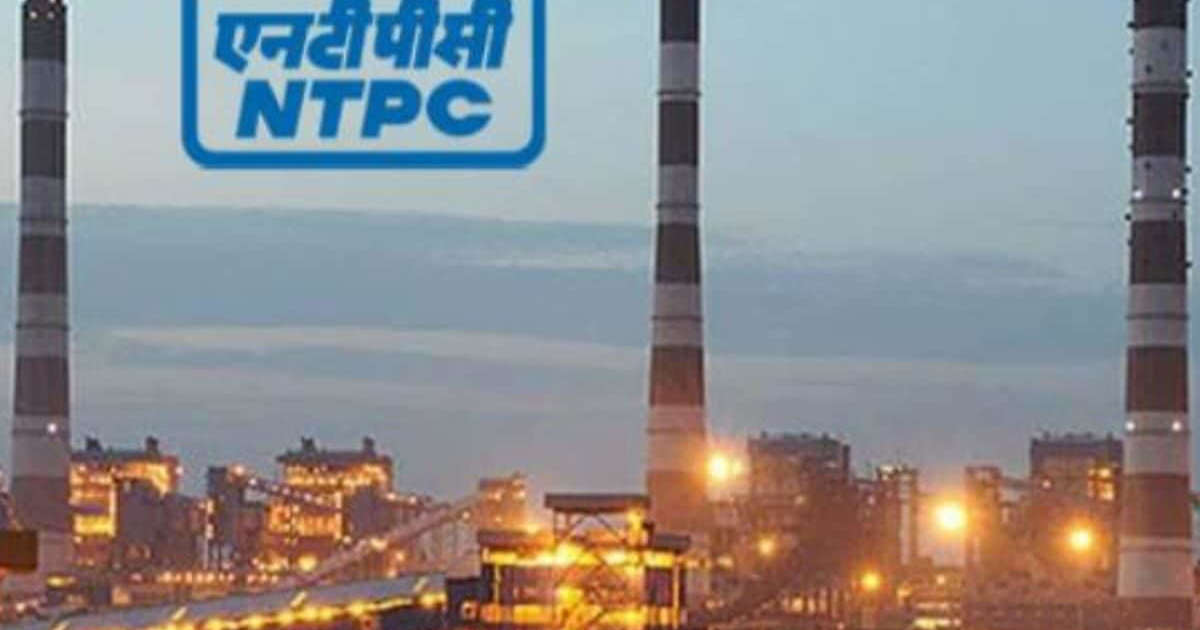
NTPC Group Crosses 3 GW Operational Renewable Energy Capacity – Top Indian Market Updates

Here are some of the major updates that could move the markets tomorrow:

NTPC Group crosses 3 GW operational renewable energy capacity

NTPC Group (including joint ventures and subsidiaries) has crossed 3 gigawatts (GW) of operational renewable energy (RE) capacity. The group achieved this milestone with the commissioning of Phase 1 of the 300 megawatts (MW) Nokhra Solar PV Project at Bikaner, Rajasthan. The company now has 36 operational RE projects spread across 12 states with a cumulative capacity of 3,094 MW.

Read more here.

Delhivery to acquire supply chain solutions provider Algorhythm Tech

Delhivery Ltd will acquire Pune-based supply chain solutions provider Algorhythm Tech (AT) to strengthen its offerings in this space. Post completion of this transaction, AT will operate as a wholly-owned subsidiary of the company. Algorhythm Tech offers end-to-end supply chain planning and execution products to clients across various sectors such as FMCG, pharma, steel, auto, and telecom.

Read more here.

Adani Group company VCPL has picked up 8.27% stake via open offer: NDTV

NDTV has disclosed that Adani Group firm Vishvapradhan Commercial Pvt. Ltd. (VCPL) has acquired an 8.27% stake in the company in the recently concluded open offer. Adani’s total shareholding in the media company has increased to 37.45% with the closure of the open offer. The open offer was triggered after VCPL acquired a 99.5% stake in RRPR Holding Pvt. Ltd. (RRPR), which translated to 29.18% of the shareholding in the TV news company. To learn more about the takeover, click here.

Read more here.

Shyam Metalics enters stainless steel business with Mittal Corp buyout

Shyam Metalics & Energy Ltd (SMEL) seeks to conclude its acquisition of Mittal Corp to strengthen its metal portfolio by entering the stainless steel/wire rod & bar mill business. The company has embarked on a ‘diversification approach’ in the metal space to chart its growth journey and proposes to further invest ₹7,500 crore over the next five years. SMEL aims to increase its capital expenditure (capex) to ₹10,000 crore in the next five years for organic and inorganic expansion.

Read more here.

Banks write off loans worth ₹11.17 lakh crore in last 6 years

Banks have written off bad loans worth ₹11.17 lakh crore from their books in the last six years till the financial year 2021-22, said Minister of State for Finance Bhagwat Karad. The non-performing assets (NPAs), including those in respect of which full provisioning has been made on completion of four years, are removed from banks’ balance sheets by way of write-offs. Banks write off NPAs as part of their regular exercise to clean up their balance sheet, avail tax benefits, and optimise capital.

Read more here.

Tata Motors migrates dealer management system to Oracle Cloud Infrastructure

Tata Motors announced the migration of its entire Dealer Management System (DMS) to Oracle Cloud Infrastructure (OCI). The move is expected to boost the automaker’s operational efficiencies with deeper business insights, greater security, increased flexibility, and cost optimisation. The DMS supports Tata Motors’ pre-sales, sales, and after-sales market touchpoints across all segments of passenger and commercial vehicles.

Read more here.

Bharti Airtel acquires strategic stake in Lemnisk

Bharti Airtel has acquired a strategic stake in Lemnisk (Immensitas Private Limited) under its StartUp Accelerator Program. Airtel will work towards creating a customer data platform (CDP) across its digital business, including ad-tech (Airtel Ads), Digital Entertainment (Wynk Music and Airtel Xstream) and Digital Marketplace (Airtel Thanks App) through this acquisition.

Read more here.

Capacit’e Infraprojects bags Rs 117 crore order from DLF

Construction firm Capacit’e Infraprojects Ltd has bagged an order worth ₹117.20 crore from DLF Ltd for the construction of a mall in Goa. The contract amount excludes GST and labour cess. The company said the order inflow for the current fiscal, along with the existing order book, gives it confidence to deliver good growth in the coming quarters.

Read more here.

CCI approves Brookfield’s minority stake buy in UPL Sustainable Agri Solutions Ltd

The Competition Commission of India (CCI)  has approved Woodhall Holdings Ltd’s acquisition of a minority stake in UPL Sustainable Agri Solutions Ltd (UPL SAS). The deal has been cleared under the green channel route. Under this framework, a transaction which does not raise any risk of an appreciable adverse effect on competition is deemed to be approved on being intimated to the fair trade regulator.

Read more here.

Care Ratings predicts 12-15% growth in general insurance premium

Care Ratings expects the gross direct premium of general insurance companies to grow by 12-15% in the medium term, with private insurers continuing to outperform government-owned insurers. Lower health insurance payouts post Covid, increase in prices of group insurance and easing of solvency requirements for crop insurance will support growth for general insurance companies in the next financial year, said the rating agency.

Read more here.

Categories
Editorial

What’s Happening at Yes Bank?

Scandal-ridden Yes Bank has been all over the news lately. It has initiated the process to form a new Board of Directors. The private sector bank seeks to exit from the reconstruction scheme devised for its rescue in 2020. It has reported a positive momentum in overall business and even claimed to regain the trust of customers, employees, and investors.

In this article, we dive into the factors behind Yes Bank’s downfall and discuss recent developments surrounding the lender.

The Downfall of Yes Bank

Yes Bank secured its banking licence and began operations in 2004. It held great promise. Over the next decade, the bank’s loan book grew quickly, customer satisfaction was high, and its share price was surging. However, many began to question its management style under promoter Rana Kapoor

The bank often handed out loans to various companies that were not able to get credit elsewhere. They gave credit to Cafe Coffee Day, CG Power, Jet Airways, DHFL, Anil Ambani Group firms, and IL&FS. This strategy allowed Yes Bank to expand operations, but it was too risky. Unfortunately, all companies mentioned above collapsed and caused tremendous stress in India’s financial sector over the past few years. 

Thus began the downfall of Yes Bank. The Reserve Bank of India (RBI) repeatedly called out the lender for under-reporting its non-performing assets (or bad loans). In 2018, the central bank refused to offer Rana Kapoor a new term as CEO due to “highly irregular credit management practices, serious deficiencies in governance, and a poor compliance culture.” Yes Bank’s share price crashed during this period. 

What Happened Next?

In March 2019, Ravneet Gill took charge as the MD and CEO of Yes Bank. The RBI appointed a member to its board. They attempted to raise fresh capital from new investors. To their dismay, the bank was unable to raise funds as it had lost all credibility. Whenever Yes Bank tried to raise capital by selling shares, many found discrepancies/errors in its balance sheet. 

The Securities & Exchange Board of India (SEBI) even initiated a probe against the bank over insider trading violations around the same period! More importantly, its bad loans had surged to ~Rs 40,000 crore as of March 2020! The bank’s shares, which were trading at ~Rs 390 in August 2018, crashed to around Rs 25 in March 2020.

RBI’s Intervention

The RBI finally had to step in before the bank went into a total collapse. In March 2020, it laid down a draft reconstruction plan for Yes Bank. The central bank imposed a moratorium on the troubled lender and capped withdrawals at Rs 50,000 per person. It also stated that the State Bank of India (SBI) will invest capital to acquire a 49% stake in the restructured bank. RBI’s plan proposed that depositors’ funds will be protected and all employees would keep their jobs for at least a year.

Apart from fixing the share price to Rs 10, the RBI also declared that the bank’s 81 additional tier-1 capital bonds (which offer a higher rate of interest) will have no value. Moreover, the bank’s board now included four government-appointed directors, two SBI nominees, and two RBI nominees.

Finally, it took eight financial institutions (led by SBI) and Rs 10,000 crores of combined capital infusion to rescue Yes Bank! ​​

Recovery Mode!

Last week, Yes Bank kicked off the process of forming an alternate board. It has come out of the reconstruction scheme after returning to profit in FY22 from witnessing deep losses for two consecutive years. The bank’s deposit book nearly doubled from Rs 1.05 lakh crore to Rs 1.97 lakh crore as of March 2022. Asset quality has improved slightly. It also maintained leadership in digital payments with the highest market share in the Unified Payments Interface (UPI). One of every third digital transaction is now processed by Yes Bank’s infrastructure!

“Since the implementation of the reconstruction scheme, the bank undertook multiple transformational initiatives that helped in resurrecting and rebuilding its foundation. It now remains on course to achieve its growth and profitability objective.” – Yes Bank in a regulatory filing.

Will Yes Bank get back to its glory days? Let us know your views in the comments section of the marketfeed app.

Categories
Editorial

IndusInd Bank In Trouble Over Whistleblower Allegations

IndusInd Bank had a tremendous Q2 FY22 quarterly result after its profits rose by 72% YoY. Its Interest Income rose by 6.59%, Provisions and Contingencies fell by 7.6% and Gross NPA reduced by 2.77%. Despite such great results, IndusInd’s share price had a freefall last day. This piece covers the allegations made by a group of senior employees, IndusInd Bank’s stance on it, and the way ahead. 

What Went Wrong With IndusInd?

IndusInd Bank was set up in 1984 by the Hinduja Group and was one of the first private sector banks that helped in accelerating the process of reforms in post-liberalised India. You can read more about the Hinduja Group here.

IndusInd Bank, like any other bank, gives out loans from which it earns Interest Income. IndusInd’s loan book is managed by Bharat Financial Inclusion Limited (BFIL), a 100% subsidiary of IndusInd Bank.

Some of the senior officials at BFIL have alerted the Reserve Bank of India (RBI) and alleged some mismanagement and malpractices at IndusInd. The whistleblowers allege that IndusInd Bank has been ‘evergreening’ loans since the beginning of the COVID-19 pandemic. 

What Is ‘Evergreening’ Of Loans?

Banks give out loans to earn interest income. A portion of the loans disbursed by banks remain unpaid by borrowers, or certain borrowers tend to ‘default’ on loans. If the loan remains unpaid for a certain period, it gets classified as a Non-Performing Asset or NPA. For every loan declared NPA, the bank has to set aside some money as ‘provision’. These provisions are set aside as assets to pay for anticipated future losses. They eat into the company’s profits. To avoid cutting down on profits, it is in the banks’ best interest to reduce the number of NPAs.

‘Evergreening’ of loans is when banks try to revive loans on the verge of being classified as Non-Performing Assets. A Bank gives out loans to the same borrowers to pay their older dues. Essentially, borrowers are paying back the bank by borrowing from the same bank. Evergreen loans are also known as Revolving Credit or Revolving Loans.

The evergreening of loans benefits both the banks as well as the borrowers. It gives the borrower more time to pay back the loan amount and prevents banks from getting higher NPAs, eventually translating into profit. But it can also be seen as pouring fuel into a fire, trying to get back cash by doubling down on the bad loans. This is not ideal in the long run.

What Is IndusInd’s Stance On The Allegations? 

IndusInd Bank has refuted allegations made by the whistleblowers. In a PR statement, IndusInd has clarified the following:

  • It has refuted whistleblower allegations on loan evergreening as “grossly inaccurate and baseless.” 
  • Due to a ‘ technical glitch’, it admitted to disbursing 84,000 loans to customers without their consent in May 2021. The problem was reported within two days and rectified.
  • Due to ‘Operational Issues’ in the second wave of the COVID-19 pandemic in India, the bank disbursed some loans in cash at the village/panchayat level.
  • The bank continues to follow biometric authentication, and has disbursed loans only in the bank accounts of clients. 
  • Any additional liquidity or assistance given to borrowers was done within the ECLGS (Emergency Credit Line Guarantee Scheme) framework or other restructuring or moratorium guidelines issued by the RBI.

Even after the clarification by IndusInd Bank, its shares tanked 12% on both of the Indian exchanges. IndusInd Bank has reported an increase in stress in its microfinance loans portfolio. The NPA ratio in the microfinance segment went up from 1.69% to 3.09% in the September quarter. The allegations come after a stellar quarterly performance by IndusInd Bank. 

The possibility of foul play can neither be confirmed nor be denied. A panel of the RBI is conducting a technical audit looking into the whistleblower’s allegations. An external audit might be ordered in case the need arises. Till then, it is in the best interest of investors and shareholders to stay alert about any updates on the audit by the RBI. 

Categories
Editorial

Will a Bad Bank Save India’s Banking Sector?

The Central government has come up with a vital measure to tackle the looming bad loans crisis in India’s banking sector. They have established a bad bank to take over bad debts worth Rs 2 lakh crore from public sector banks. There has been a lot of hype regarding the institution lately. In today’s article, we discuss the concept of a bad bank and how it could reduce the burden of India’s banking industry.

The Rising NPA Crisis in India

Banks are the backbone of any modern economy. They provide the necessary credit (loans) to empower citizens and develop core sectors of the country. As we know, lenders earn income through the interest they receive on loans. Thus, banks need to recover their loans (along with interest) on time to run their core business. 

Unfortunately, India has been facing a severe crisis with respect to bad loans for a while now. Non-performing assets (NPAs) or bad loans have increased multifold across all prominent banks in India over the past decade in the aftermath of the global financial crisis (2007-’08). [NPAs are those assets on which interest has not been received for at least three months]. Simply put, individuals and businesses are unable to pay back their loans due to unfavourable economic conditions. The situation has deteriorated further amidst the Covid-19 pandemic. 

Once unpaid loans start piling up, banks and other financial institutions would face losses. They won’t be in a position to extend new loans. Outside investors will not be willing to infuse money into such institutions. Ultimately, small businesses will suffer as they cannot borrow essential capital at reasonable interest rates. 

According to a report from the Reserve Bank of India (RBI), the total value of bad loans in the Indian banking system stood at Rs 8.35 lakh crore as of March 2021! And this figure excludes NPAs of private sector banks. The volumes of NPAs are not only large but also fragmented across various lenders. These stressed assets have been sitting on the financial books of state-owned banks. This essentially means that the Centre has been continuously using taxpayer money to re-capitalise and support them.

What is a Bad Bank? How Does it Work?

To tackle this serious issue, Finance Minister Nirmala announced the creation of the National Asset Reconstruction Company Ltd (NARCL) or a “bad bank” in her Budget speech for 2021-22. This entity will take the form of an asset reconstruction company (ARC). It will adopt bad debts of public sector banks (typically below their book values). This measure will help the Indian banking sector to get rid of a large sum of NPAs. 

All poorly performing loans will be moved to the NARCL. Thus, commercial banks will be left with loans that are likely to be paid in full. As the balance sheets will be cleaned up, outside investors might be willing to infuse some cash into such banks. When a bank receives more capital, it can increase its reserves and extend new loans.

Important Facts on NARCL

  • The NARCL aims to acquire total stressed assets worth up to Rs 2 lakh crore from the lenders’ balance sheets. The process will be completed in phases based on the framework and regulations of the RBI.
  • The NARCL will be supported by the India Debt Resolution Company Ltd (IDRCL). This entity will manage the acquired assets (bad loans) and allow market professionals to add value to them. It will essentially recover the NPAs. The IDRCL is nothing but an asset management company (AMC).
  • Upon resolution, the bad bank will pay up to 15% of the agreed value for cash loans to the banks. The remaining 85% would be government-guaranteed security receipts (SRs). On Sept 15, the Cabinet approved a government guarantee of up to Rs 30,600 crore to back SRs to be issued by NARCL.
  • Public sector banks will hold a 51% stake in NARCL and a 49% stake in IDRCL. The remaining stake in both entities will be held by private-sector lenders. The State Bank of India, Union Bank of India, and Punjab National Bank have picked up over 12% stake each in NARCL. Indian Bank has acquired 13.27% in the proposed bad bank.

Conclusion 

Bad banks are not a new concept. The first bad bank in the world was created way back in 1988 by US-based Mellon Bank to hold its stressed assets. Following its success, bad banks became a widely recognised model in several countries such as Finland, Sweden, Indonesia, and Belgium. However, such a measure has been unsuccessful in countries such as China, Mexico, and Italy due to improper planning and execution.

On Sept 4, the RBI granted a license to the Rs 6,000 crore NARCL. This move will kickstart the operations of the bad bank. The creation of the NARCL and IRDCL would help accelerate the resolution process of NPAs. Banks in our country will benefit from improvement in the value of NPAs through the IRDCL. However, a crucial challenge would be to sell the stressed assets to prospective buyers to resolve the crisis. Even if the stressed assets fail to be resold in the market (or if they are sold at a discount when compared to their fair market values), banks can invoke the government guarantee to make up for any shortfalls. 

The removal of a large sum of toxic loans from the lenders’ balance sheets will allow them to expand their lending activities. It would also free up the funds that had been allocated for addressing losses associated with NPAs. More funds will be available to cater to the productive sectors of their lending businesses. The bad bank will also bring an improvement in the valuation of PSU banks and enhance their ability to raise capital. 

Banks in our country will have to collectively move towards better resolution of NPAs. There is hope that NARCL will finally be able to alleviate the bad loan crisis in India. What are your views on the proposed bad bank? Let us know in the comments section of the marketfeed app.