Categories
Editorial

DreamFolks Services Ltd IPO: All You Need to Know

Airport service aggregator platform DreamFolks Services Ltd has launched its three-day initial public offering (IPO) today— August 24. In this article, we dive into the company’s business model and its IPO.

Company Profile – DreamFolks Services Ltd

DreamFolks Services Ltd (DSL) is India’s largest airport service aggregator platform. The Gurugram-based firm offers enhanced airport experiences to passengers with the help of its technology-driven platform. They facilitate customers’ access to services like lounges, food & beverage, spa, airport transfer, transit hotels, and baggage transfer.

So what do they actually do?

DSL has partnered with card networks operating in India, including Mastercard, Visa, Diners/Discover, and RuPay. They have also tied up with leading card issuers such as ICICI Bank, HDFC Bank, Axis Bank, and SBI Cards. The company has essentially crafted a service proposition and tech platform to help clients (card networks & issuers) offer a wide range of services as part of their customer engagement and loyalty programs.

Factsheet

  • DreamFolks Services has a global footprint extending to 1,416 touch-points across 121 countries. It has nearly 244 touch-points in India and 1,172 touch-points overseas as of March 31, 2022 (FY22). 
  • The company holds more than 80% market share in the domestic lounge access market in our country. 
  • DSL enjoys a market share of ~95% of all India-issued credit and debit card access to the airport lounges! 

DSL’s first-mover advantage and asset-light business model have helped them dominate the airport service aggregator industry.

About the IPO

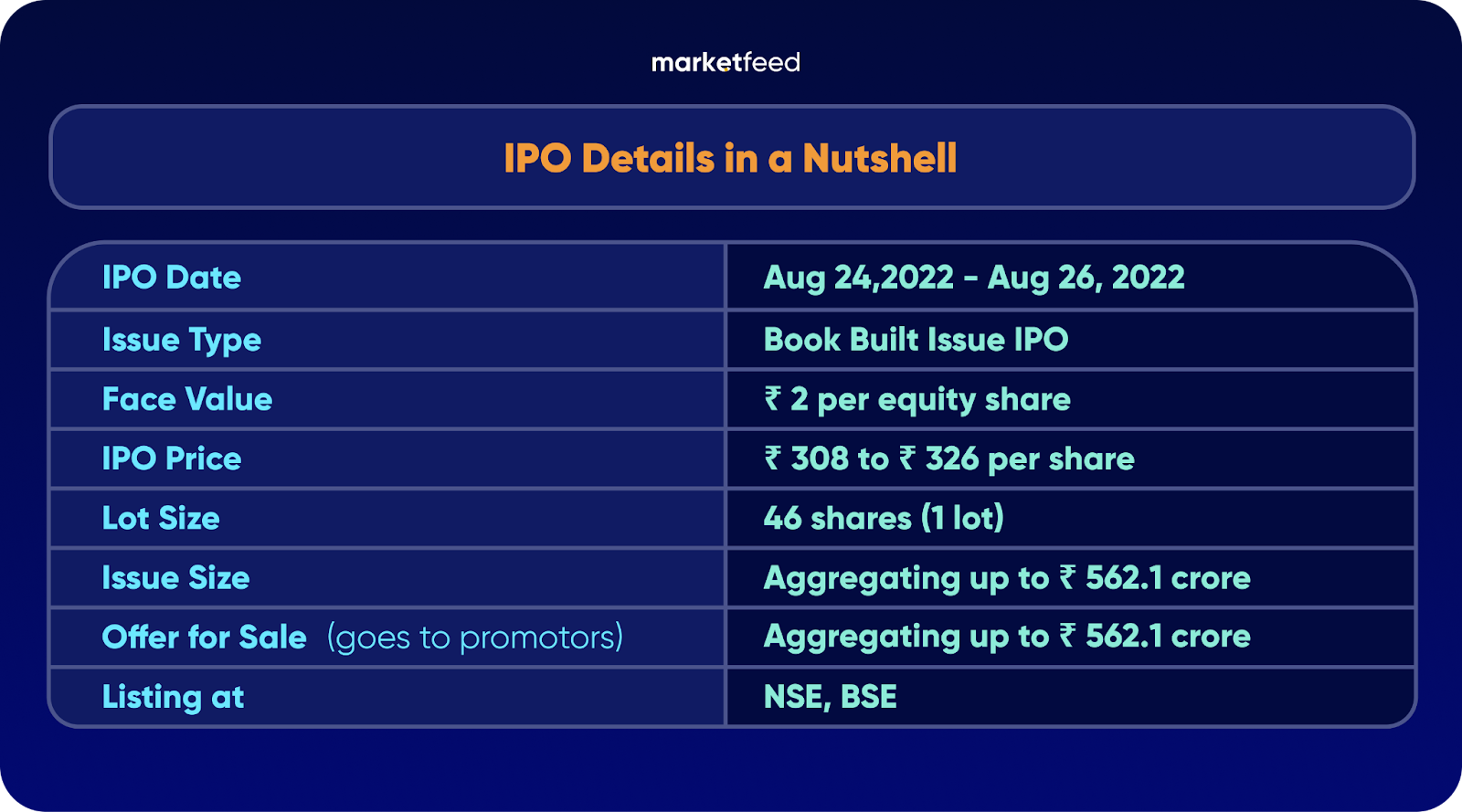
DreamFolks Services’ public issue opens on August 24 and closes on August 26. The company has fixed Rs 308-326 per share as the price band for the IPO.

The IPO is entirely an offer for sale (OFS) of 1.72 crore equity shares by promoters and early investors, aggregating to Rs 562.10 crore. Individual investors can bid for a minimum of 46 equity shares (1 lot) and in multiples of 46 shares thereafter. You will need a minimum of Rs 14,996 (at the cut-off price) to apply for this IPO. The maximum number of shares that can be applied by a retail investor is 598 shares (13 lots).

The primary objective of the IPO is to provide an exit strategy (or liquidity) to DSL’s promoters. The company aims to achieve the benefits of listing the equity shares on NSE and BSE. The total promoter holding in the company will decline from 100% to 67% post the IPO.

Financial Performance
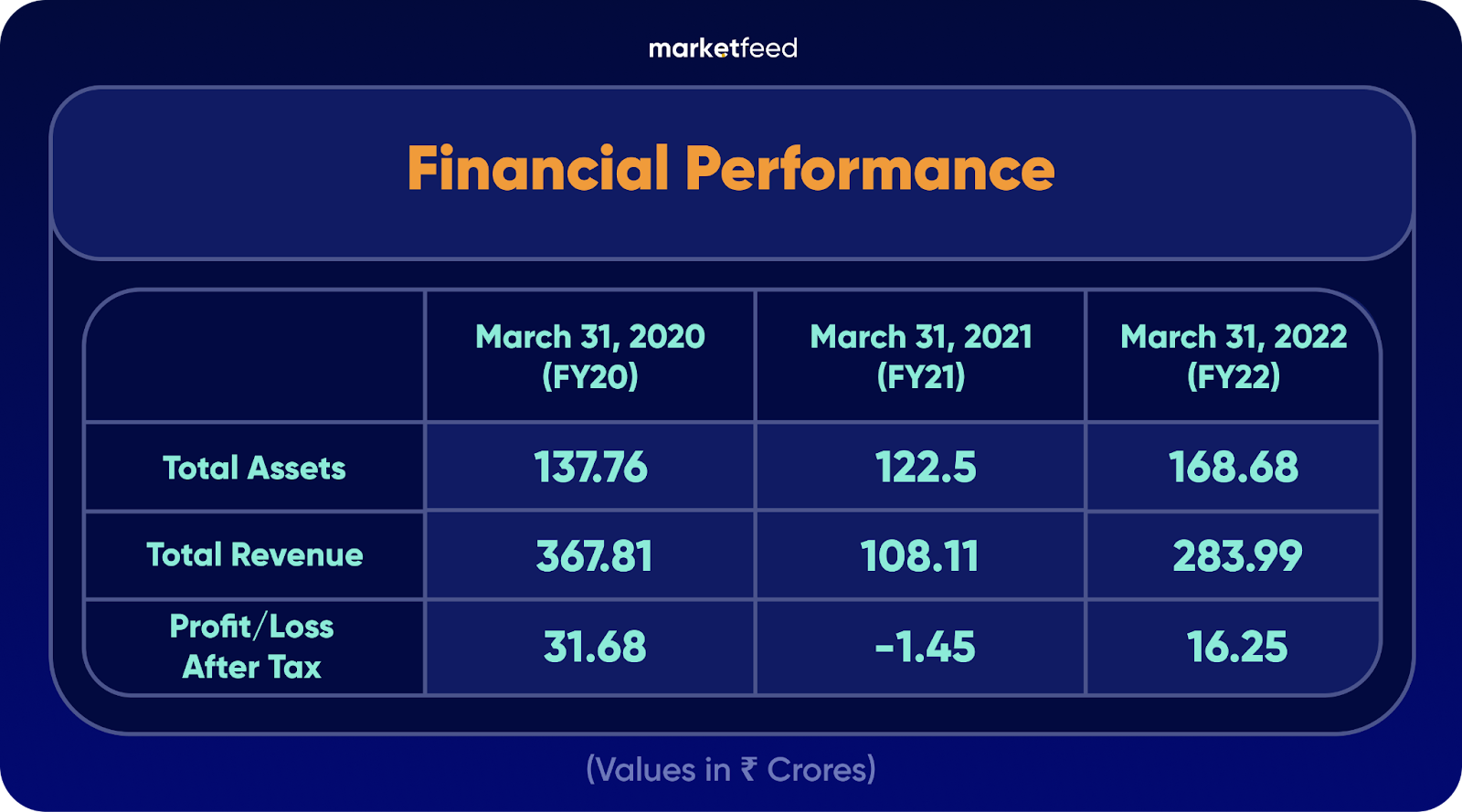
DSL’s revenue had been on a downward trend due to the severe impact of the Covid-19 pandemic on the airline industry. In FY21, revenue declined 70.6% YoY to Rs 108.11 crore, while it reported a net loss of 1.45 crore. However, the company’s financial performance improved in FY22 as lockdown restrictions eased and airports saw more footfall.

Over the past three financial years (FY20-22), the average revenue from lounge fees stood at 98.55%. They have witnessed an annual average growth rate (CAGR) of 90.7% in the number of touch points over FY18-22. 

The company is now on a path to recovery and expects to cross above pre-pandemic levels in the near term.

Risk Factors

  • DSL is highly dependent on its long-term relationship with card networks and issuers. The inability to retain them as clients could severely impact the company’s overall business.
  • Almost all of their revenue is derived directly from the use of various services at airports. Thus, any downturn in the air travel industry will adversely affect DSL’s financial performance.
  • The company relies heavily on its top five clients for a majority of its revenue (~84.91% on average). If any of these clients terminate their contract with DSL, it could significantly impact their revenue.
  • Any adverse regulatory order or monetary penalty against card networks and issuers could harm the company’s operations and financial condition.
  • Airport lounge operators could partner with card networks and issuers directly, which will severely affect DSL’s business.

IPO Details in a Nutshell
The book-running lead managers to the public issue are Equirus Capital and Motilal Oswal Investment Advisors. DreamFolks Services filed the Red Herring Prospectus (RHP) for its IPO on August 17. You can read it here. Out of the total offer, 75% is reserved for Qualified Institutional Buyers (QIBs), 15% for Non-Institutional Investors (NIIs), and 10% for retail investors.

Conclusion

The Covid-19 pandemic had a severe impact on the aviation/air travel industry. Fortunately, the air passenger traffic has been gradually increasing over the past few months. The number of lounges is expected to grow at a CAGR of 7% in the next two decades. There were 54 airport lounges in India in FY22. This figure is expected to grow to ~204 by 2040! Currently, DreamFolks Services is enjoying a virtual monopoly in this segment with a 95% market share!

DSL aims to grow its business by expanding access across India and overseas. They are also likely to benefit from government initiatives like UDAN, which will help increase access to more regional airports. The firm believes it is well-positioned for the upcoming growth opportunities due to its market dominance.

The company has received some interest in the grey market. DSL’s IPO shares are trading at a premium of Rs 62 in the unofficial market today. Before applying to this IPO, we will wait to see if the portion reserved for institutional investors gets oversubscribed. As always, consider the risks associated with the company and come to your own conclusion.

What are your views on this IPO? Will you be applying for it? Let us know in the comments section of the marketfeed app!

Categories
Editorial

5 Things Wrong With The Indian Startup and VC Ecosystem

Do you know what’s common between OYO, PayTM, BYJUS, and Swiggy? While they have a valuation of greater than $10 billion, none of them are profitable. Startups have for long aimed for valuation and growth. Profitability is far from visible for many unicorns. 

Speaking of India’s largest IPO turned fiasco, the PayTM IPO. The IPO was oversubscribed 1.89x and ended up listing at a discount, costing investors $900 million in just two days. The party seems to have ended with PayTM IPO, where investors have lost close to 60% of their wealth as of February 2022. Institutional investors and venture capitalists (VCs) offloaded shares right before PayTM’s IPO, while retail investors later bore the brunt. Even anchor investors exited the company as soon as their lock-in period ended.

Starting in 2022, there has been a lot of chatter on startups closing down, firing all of their workforces, employees being ill-treated, startup founders being fired for governance issues, and much more. This brings us to a question: what’s wrong with the Indian startup ecosystem?

Valuation is King! Not Profit

As of February 2022, India is home to 91 unicorns, and most aren’t profitable. While the ultimate aim of a firm used to be ‘profit maximization’, now it has become ‘increasing shareholder’s wealth’. It seems like profits are for businesses and startups earn valuation. While sky-high valuation (with no profitability) is something that helps VCs and founders grow their wealth and enterprises, it lays the groundwork for a bubble that could explode once the ecosystem runs out of liquidity.

Customer Is King…At The Cost Of Employees?

Recent startups have had reports of poor human resource (HR) practices. It seems that the entire ecosystem is following a single motto: ‘Hire To Grow, Fire To Sustain’. Unicorns like OYO, PayTM, and Byju’s have laid off employees without any benefits or even a notice period and violated essential labor laws. Gig workers for unicorns like Zomato and Swiggy often go on strikes and claim to be underpaid.

BYJUS and WhiteHat Jr were in the news after clips of management’s misbehavior with its employees surfaced on social media. Pradeep Poonia, a software engineer, exposed malpractices to startups like BYJUS and WhiteHat Jr. through social media.

LIDO, an edtech startup, shut its operations and fired all of its employees without a notice period or prior intimation. The startup closed down nearly 5 months after it raised $10 million. Tiger Global-backed OkCredit fired around 35% of its workforce. On the contrary, the company had planned to ‘double its workforce’ by the FY22 end. These are not the only reported cases. Most HR malpractices go unquestioned by the ecosystem, making ‘hire to fire’ a norm in the startup world.

High Customer Acquisition Cost (CAC)

Point blank, Indian startups have a very High Customer Acquisition Cost (CAC). At a seed or early stage, when resources are limited, startups tend to spend way too much on advertising, marketing, and promotion. Eventually, startups end up exhausting their capital on acquiring customers instead of spending more on customer service or product development.

Poor Product and Flawed Business Models

Looking around the startup ecosystem markets, it feels like any product + e-commerce = a million-dollar startup. While e-commerce is the backbone of most successful enterprises, startups fail to understand the backbone of the business. They fail to realize that a product is its best salesperson.

Startups Spread Fast and Fail Faster

Startups intend to spread like wildfire and end up getting engulfed by one. Most startups in today’s time want to expand across India. Each area in the country comes with a different set of social, cultural, economic, political, physical, and physiological challenges. Instead of focusing on one area at a time, startups scatter their locations, making it problematic to handle.

Startups have been a hot topic in our country ever since the business reality television series Shark Tank India aired. The general public is more aware that bootstrapped or seed-round startups face challenges. The startup bubbles have started popping, and VCs are now more conscious about practices that could drive a startup down. One can expect startups to have a more disciplined approach and a greater success rate in the next ten years.

What are your views on the current state of the Indian startup ecosystem? Let us know in the comments section of the marketfeed app.

Categories
Editorial

Syrma SGS Technology Ltd IPO: All You Need to Know

An IPO has arrived at Dalal Street after nearly three months! Chennai-based Syrma SGS Technology has launched its initial public offering (IPO) today— August 12. In this article, we take a closer look into the company and its IPO.

Company Profile – Syrma SGS Technology Ltd

Syrma SGS Technologies Ltd (SSTL) is an engineering and design company engaged in electronics manufacturing services (EMS). They offer high-value integrated design and production solutions for the automotive, industrial appliances, healthcare, IT, railways, and consumer products industries.

SSTL’s product portfolio includes:

  • Printed circuit board assemblies (PCBAs)
  • Radio frequency identification (RFID) products – Uses frequency to search, identify, track, and communicate with items/platforms and people.
  • Electromagnetic and electromechanical parts
  • Motherboards
  • Memory products – Dynamic Random Access Memory (DRAM) modules, solid state, and USB drives

The company boasts of hundreds of prominent clients, including TVS Motor Company, Hindustan Unilever, AO Smith India Water Products, Eureka Forbes, and Total Power Europe B.V. They are currently focusing on a high-margin product portfolio for these customers.

SSTL operates 11 state-of-the-art manufacturing facilities across Himachal Pradesh, Haryana, Uttar Pradesh, Tamil Nadu, and Karnataka. Four of these facilities collectively contribute more than 75% to the company’s revenue. It also has dedicated research & development (R&D) facilities in Chennai and Stuttgart, Germany.

About the IPO

Syrma SGS Technology’s public issue opens on August 12 and closes on August 18. The company has fixed Rs 209-220 per share as the price band for the IPO.

The fresh issue of shares (of the face value of Rs 10 each) aggregates to Rs 766 crore. The IPO also includes an offer for sale (OFS) by promoters and early investors, aggregating to Rs 74 crore. Individual investors can bid for a minimum of 68 equity shares (1 lot) and in multiples of 68 shares thereafter. You will need a minimum of Rs 14,960 (at the cut-off price) to apply for this IPO. The maximum number of shares that can be applied by a retail investor is 884 equity shares (13 lots).

SSTL will utilise the net proceeds from the IPO for the following purposes:

  • Funding capital expenditure requirements for the development of an R&D facility. Also for expanding or setting up manufacturing facilities – Rs 403 crore
  • Funding long-term working capital requirements – Rs 131.58
  • General corporate purposes.

Financial Performance

(Values in Rs crore)

SSTL’s net profit has declined in the last two years, but revenue has grown at a healthy CAGR of 27.56%. Unfortunately, their margins have been under pressure due to Covid-led cost increases in raw materials. Net debt has declined significantly from Rs 801.2 crore in FY19 to Rs 259.15 crore in FY21.

The company’s revenue from operations jumped 132.64% (year-on-year) YoY to Rs 1,019.7 crore for the financial year ended March 2022 (FY22). EBITDA rose 50.4% YoY to Rs 46.8 crore during the same period. The share of exports to the total revenue stood at 54.77%. They sell their products in over 24 countries, including the US, Germany, and Australia.

Risk Factors

  • SSTL’s customers do not make long-term commitments with the company and may cancel or change their production requirements. This could adversely impact its business and financial condition.
  • The failure to identify and understand evolving industry trends and develop new products could severely impact the company’s overall performance.
  • The global nature of SSTL’s operations exposes it to risks such as foreign currency exchange rate fluctuations, strict import/export regulations, etc.
  • They depend on third parties for the supply of raw materials and delivery of products. SSTL’s operations will be severely affected if such providers fail to meet their obligations.
  • The failure to keep technical knowledge confidential could destroy the company’s competitive advantage.
  • There are certain outstanding legal proceedings against SSTL, its directors, and promoters.

IPO Details in a Nutshell

The book-running lead managers to the public issue are IIFL Securities, ICICI Securities, and DAM Capital Advisors. Syrma SGS Technology filed the Red Herring Prospectus (RHP) for its IPO on August 4. You can read it here. Out of the total offer, 50% is reserved for Qualified Institutional Buyers (QIBs), 15% for Non-Institutional Investors (NIIs), and 35% for retail investors.

Ahead of the IPO, DPIL raised Rs 252 crore from anchor investors. The marquee investors include Nomura, Kuber India Fund, BNP Paribas Arbitrage, ICICI Prudential Mutual Fund (MF), Tata MF, etc.

Conclusion

The electronics industry is one of the largest and fastest-growing in the world. India is becoming a popular manufacturing hub for key electronic components. Our government has committed more than $15 billion over the next six years across Production-Linked Incentive (PLI) schemes related to semiconductors, IT hardware & components, and large-scale electronics manufacturing. The Indian EMS market is also expanding due to the China+1 strategy and import substitution. With its strong product portfolio and R&D capabilities, Syrma SGS Technology is well-positioned to capitalise on domestic and global opportunities.

Once it gets listed, SSTL will be directly competing with leading players in the EMS industry such as Dixon Technologies and Amber Enterprises.

The company has not received major interest in the grey market. SSTL’s IPO shares are trading at a premium of ~Rs 20 in the unofficial market. Before applying to this IPO, we will wait to see if the portion reserved for institutional investors gets oversubscribed. As always, do consider the risks associated with the company and come to your own conclusion.

What are your opinions on this IPO? Will you be applying for it? Let us know in the comments section of the marketfeed app.

Categories
Editorial

The Ketan Parekh Scam of 2001

Most of us have heard of Harshad Mehta and how he committed one of the largest financial scams in the history of the Indian stock market. He was a master manipulator, and his influence over the market and other institutions helped him rig share prices. But did you know that one of his mentees, Ketan Parekh, pulled off another infamous and ruthless scam that completely shook the markets? Government agencies have estimated that the extent of the fraud could be up to Rs 40,000 crore

In today’s article, we discuss the Ketan Parekh Scam of 2001.

Who is Ketan Parekh: The Pied Piper of Dalal Street?

Ketan Parekh was a Chartered Accountant (CA) by profession. He started his career in the late 1980s and initially ran a business called NH Securities— a stockbroking firm established by his father. Parekh later joined Harshad Mehta’s firm (GrowMore Research & Asset Management), where he closely observed market trends and the mindset of investors. He learnt the techniques used by the Big Bull and his associates to manipulate the stock market. Although he was said to be soft-spoken and discreet, Ketan Parekh made connections with politicians, actors, and businessmen. 

He even partnered with Australian media mogul Kerry Packer to launch a venture capital firm that invested in Indian startups.

In 1992, journalist Sucheta Dala exposed the fraudulent activities committed by Harshad Mehta. The scam involved officials from SBI, several brokerage firms, politicians, and bank employees. SENSEX crashed during this period, and Harshad Mehta was arrested. However, Ketan Parekh was never involved/convicted in any case related to Scam 1992.

The Scam

Ketan Parekh looked into the “Pump and Dump” system used by Harshad Mehta in-depth. The Big Bull illegally received money from banks and other financial institutions. He used these funds to directly or indirectly buy certain stocks in bulk, whose prices would then skyrocket. Market participants had the perception that whichever stock the Big Bull chose would turn into gold. Eventually, more people would invest in these stocks, further driving up prices. When the prices reached their peak, Mehta and his associates would book MASSIVE profits!

Parekh wanted to use the same system to his advantage…. but with a few tweaks.

He strongly believed in the potential growth of companies within the Information, Communication, and Entertainment (ICE) sector. The dot-com boom had just started between 1999 and 2000, and many of his stock predictions were pretty accurate. He was able to pump up the share prices of several firms. However, Ketan Parekh wanted to take it a step further, and encouraged institutional investors to invest in stocks he had manipulated. He felt that it would be easier to control major institutional investors rather than retail investors who had varying interests and views.

So How Did He Convince Institutional Investors?

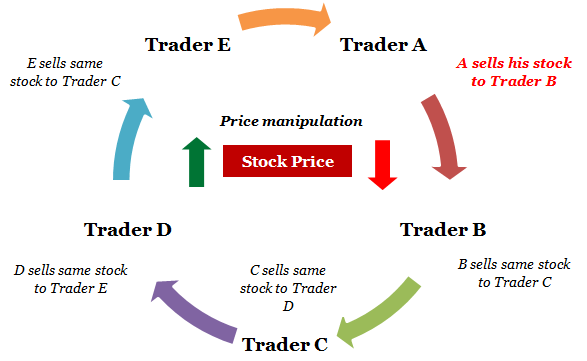
  • Upon further research, Ketan Parekh found out that institutional investors would only invest in those stocks that had high trading volumes and media attention. To fulfill the first criteria, he resorted to an illegal circular trading scheme
  • For example, Broker A would place a buy order for a stock at a certain price and certain quantity. At the same time, Broker B places an order to sell the same quantity, at the same price, and matches the trade. Likewise, more brokers would join and conduct similar transactions, thereby showing high trading volumes.
  • Parekh and his associates conducted circular trading primarily on IT, media, and telecom stocks that were already growing rapidly and getting media attention. Thus, Ketan Parekh’s “K10 Stocks” became widely popular. It included Zee Telefilms, Tips, Aftek Infosys, Mukta Arts, Himachal Futuristic Communication Ltd (HFCL), PentaMedia Graphics, etc.
  • K10 stocks like PentaMedia Graphics’ price surged from Rs 175 to Rs 2,700 and that of Global Telesystems rose from Rs 185 to Rs 3,100!

Moreover, he conducted most of the investments/trades in the Calcutta Stock Exchange (CSE) as it did not have any strict regulations at the time. He artificially created a 200% annual return on some stocks! 

The Downfall

Just like his predecessor and mentor, Ketan Parekh became too greedy. He wanted to obtain more funds to pump up stock prices on a larger scale. Thus, he approached the promoters of those companies whose stocks he had been manipulating and raised funds from them! Promoters (who hold large quantities of a company’s shares) believed they would surely benefit from the surge in share prices. Their net worth would increase, and they could also pledge shares to get loans from banks. However, these were clear cases of insider trading.

Secondly, Parekh illegally raised large sums of money from Global Trust Bank (GTB) and Madhavpura Mercantile Cooperative Bank (MMCB). Interestingly, he was on the board of both banks! He reportedly bribed bank officials and persuaded them to provide loans against shares. 

According to the Reserve Bank of India (RBI) guidelines, banks were not allowed to give out more than Rs 15 crore as loans to a stockbroker. But MMCB and GTB sanctioned loans of around Rs 800 crore and Rs 100 crore, respectively, to Ketan Parekh. He also made MMCB issue a pay order worth Rs 137 crore to one of his own companies. [A pay order is a financial instrument issued by a bank on behalf of a customer that instructs another bank to pay a specific amount to a third party.] However, Parekh had never deposited this amount at MMCB. He used the pay order to obtain funds from Bank of India and manipulate share prices.

Exposed!

The news of Ketan Parekh’s scam first came into the limelight when Bank of India (Mumbai Branch) alleged that he had defrauded them to the tune of Rs.137 crore. Sucheta Dalal of the Times of India uncovered the entire scam and published a report on it. This ultimately caused mayhem and resulted in a stock market crash in 2001. The RBI initiated an investigation against Parekh.

  • Ketan Parekh was found guilty of insider trading and arrested by the CBI. He was also convicted of rigging share prices and was banned from trading until 2017.
  • His name also surfaced in the Canfina scam in which various entities had entered into a criminal conspiracy to siphon off Rs 47 crore.
  • In 2009, market regulator SEBI discovered that he was using front companies to carry out illegal activities. Thus, nearly 26 entities were banned from trading as a result of that investigation. 

Later in March 2014, Parekh was convicted by a special CBI court for cheating and sentenced to two years of rigorous imprisonment. The most recent development came in 2021 when the Supreme Court allowed Ketan Parekh to travel to the United Kingdom to attend to his daughter’s medical needs.

Broker-turned-operator Ketan Parekh was single-handedly driving the Indian stock market and eventually fell victim to his own greed. You can watch the informative episode of ‘Money Mafia’ on Discovery+ to understand how Ketan Parekh managed to commit the Rs 40,000 crore scam!

Categories
Editorial

Why Basic Stock Market Education Must be Free & Accessible to All

Indian parents have high hopes and expectations for their children’s education and careers. They use all their resources to help their kids excel in academics, get good grades, join a prestigious institution, and get well-paying jobs. Moreover, we Indians have a reputation for being frugal with our money. We’re taught to spend less and save more. All in good intentions, but there’s a lot more to life than just saving money.

Unfortunately, our current education system does not include theory or practical sessions on essential life skills. We’re not trained to handle our hard-earned incomes and make financial decisions. Young professionals find it difficult to understand the basic principles of investing or even filing their taxes. These vital “life subjects” are still not being taught in schools or colleges. Instead, there’s always been a perception among Indians that investing in stocks is risky and you’ll lose all your money.

The Current Scenario

A majority of Indian households prefer to “invest” their hard-earned money in fixed deposits (FDs) even now. Returns from FDs can never beat the rising inflation rate (the general rise in prices of goods). Gold, post-office savings, and real estate are given more priority over stock trading and investment. These are decent options but might not be sufficient in today’s economic climate. 

Thus, future generations will be extremely doubtful and cautious of going the “unconventional route” when it comes to growing their wealth and achieving financial freedom. They’re not getting the proper education or awareness!

According to a Bloomberg Intelligence report in 2021, Indian households invest a meager 7% of their financial assets into stocks compared to an average of 30% in other major emerging markets. More than 55% of adults in the United States invest in the stock market. While saving is the safe way to go, Indian citizens need to understand that the purchasing power of cash in hand or their bank account continuously reduces with time. So, investing in the top-performing firms in the nation can help you become more financially secure

Time to Change Mindsets! 

There is an urgent need for education in financial planning in our country. We need to initiate training sessions around stock investment and trading. The concepts of compounding and portfolio diversification must be ingrained in everyone’s minds so that they become more financially savvy. Having a basic knowledge of personal finance can help an investor make money work for them! Investing in stocks after thorough research will allow your money to outpace inflation and potentially build wealth.

If you’re in your 20s, try to start investing early as it’ll help you make small and calculated risks without the fear of affecting your livelihood and family. In fact, it’ll give you an insight into stock selection and investment risks and allow you to make smart choices in the future. There are plenty of opportunities for you to make money in the stock market. You just need to figure out what works for you!

Still confused about how to start your journey in the stock market? Don’t worry, we’ve got you covered!

marketfeed’s founder, Sharique Samsudheen, has made it his life’s mission to democratize the stock markets and help Indians become financially independent. To that extent, we are proud to launch our Free and Structured Stock Market A-Z Series on YouTube. The series will cover everything from the basics of the stock market to advanced trading strategies. We’ll also teach you proven strategies, tips, and tricks used by our team so you can make consistent profits! marketfeed will help you make informed decisions in the beautiful world of finance!

All you have to do is subscribe to our YouTube channel and turn on notifications! Join the Revolution and be part of the best Stock Market Community that we’re building here at marketfeed!

Categories
Editorial

An Analysis of India’s Booming AI Industry

We live in a world where intelligent computers or machines recognise and interact with human speech and objects. It can even strategise and solve problems like humans. Smartphones, banking systems, and social media platforms are able to analyse our behaviour patterns and help enhance the quality of everyday life. Self-driving or autonomous cars are finally a reality.

In this article, we explore an industry that is considered vital for India’s growing economy— the artificial intelligence (AI) industry! We shall also find out who the top players in this field are.

What Exactly is AI?

In simple terms, Artificial Intelligence (AI) is a branch of computer science that builds smart machines capable of performing tasks that typically require human intelligence. We can create algorithms (a set of rules) to classify, analyse, and draw predictions from extensive data. Thus, smart machines can learn from new data, act on it, and efficiently solve problems in our personal and professional lives. AI is capable of making decisions and performing tasks at a much faster speed with accuracy. It is essentially creating a world where human intervention is not required.

Meanwhile, Machine Learning (ML) is a division of AI wherein systems can identify patterns and link them by analyzing data made available to them.​​ Many enterprises use ML to track and understand customer behavior and operational business patterns.

AI can now drive vehicles, detect cancer cells, help with facial recognition, and even make financial decisions! Law enforcement agencies and court systems use AI. Repetitive tasks such as clerical work, invoicing, and management reporting can be automated to save time and costs. Many factories use AI-powered robots to increase productivity and improve accuracy. You may not even realise it, but AI can be found everywhere: the Google Assistant and Siri on your devices, conversational bots, email spam filters, restaurant or OTT movie recommendations, etc.

Now, let’s look at the top five companies leading the AI revolution in India:

Tata Elxsi Ltd

Tata Elxsi Ltd is a company that often goes under the radar of most investors. It is one of the leading providers of design and technology services in the world. With the help of digital technologies such as Internet of Things (IoT), Cloud, Mobility, Virtual Reality, and AI, Tata Elxsi develops smart products and services for their customers. All these applications will be used on a massive scale in the future as the world shifts toward AI and data analytics.

The Bengaluru-based firm serves the automotive, home appliances, semiconductor, media, broadcast, communications, rail, and healthcare industries. It has received considerable recognition in the fields of self-driving cars, video analytics solutions, and healthcare monitoring. In the current influencer era, Tata Elxsi has delivered AI solutions for content curation, moderation, understanding trends, and recommendation of ad insertion.

The Artificial Intelligence Centre of Excellence (AI CoE) by Tata Elxsi deals with the growing need for intelligent systems.

L&T Technology Services Ltd

L&T Technology Services (LTTS) offers engineering, research, and development services across India, North America, and Europe. The company builds automation and process control systems for factories/plants across multiple industries. Moreover, it offers cloud, Internet of Things (IoT), artificial intelligence (AI), and data analytics services.

Last year, US-based Mavenir and NVIDIA selected LTTS to accelerate the adoption of the industry’s first converged AI-on-5G. NVIDIA’s AI-on-5G is a platform that will accelerate the digital transformation of enterprises across all industries. Meanwhile, LTTS also developed an AI-based smart parking solution with Intel Corporation. 

Happiest Minds Technologies Ltd

Happiest Minds Technologies is a leading IT solutions and services provider based in Bengaluru. They offer AI, cloud, Internet of Things (IoT), blockchain, and robotics services across industries. The company uses artificial intelligence for language processing, image analytics, object identification, and video analytics to provide technology solutions. Happiest Minds also works on emerging technologies like augmented reality (AR) and virtual reality (VR). The mid-cap IT company is currently planning to acquire firms with expertise in automation and AI.

Cyient Ltd

Hyderabad-based Cyient offers geospatial, IT, and data analytics solutions in Asia, North America, and Europe. It is one of the Top 30 outsourcing companies in the world. They primarily develop and use AI for remote sensing, navigational data mapping, and other location-based services. 

Mphasis Ltd

Mphasis is an information technology solutions provider that specializes in cloud-based AI services worldwide. It offers blockchain, business process, enterprise automation, design, infrastructure, and cloud services. In July 2021, the United States Patent and Trademark Office (USPTO) awarded Mphasis a patent for its AI-driven application and infrastructure management solution. It predicts errors and failures of any application and enables preventive maintenance measures. The company also aims to expand its portfolio of AI/ML innovation in the coming years.

Conclusion

After realising its true potential, Indian enterprises have been investing heavily in artificial intelligence solutions to reduce costs and improve customer retention. Other important companies in the AI/robotics industry include Zensar Technologies Ltd, Persistent Systems Ltd, Tata Consultancy Services (TCS), and Affle India Ltd. A research report by International Data Corporation (IDC) forecasts the Indian market for AI software and hardware services to grow at a CAGR of 20.2% to a whopping $7.8 billion! Indian organisations plan to use AI extensively for customer support, IT automation, security, supply chain management, and much more. 

If developed ethically and morally, AI could contribute significantly to the betterment of society.

What are your views on the evolving AI industry in India? Let us know your views in the comments section of the marketfeed app!
Categories
Editorial

Essential Data for Backtesting in Algo Trading: A Simple Guide

In the fast-paced world of algo trading, data is everything. Whether you’re a seasoned trader or just starting to explore automated trading systems, the quality and type of data you use can make or break your trading strategy. With algorithms executing trades at lightning speed, every decision must be based on accurate and reliable information. While the focus is often on building the “perfect” trading strategy, an equally important factor lies in the data that powers these strategies.

Just like a chef needs the freshest ingredients to create a perfect dish, your trading algorithm requires high-quality data to deliver accurate and profitable results. In this article, we’ll explore the essential data you need for backtesting in algo trading.

But First, What is Backtesting?

Backtesting is a process that allows traders to evaluate the performance of their trading strategies using historical market data. By doing this exercise, you’ll get invaluable insights and opportunities to refine your trading strategies.

Let’s consider a real-life example to understand backtesting better. Imagine you’ve created a trading strategy designed to capitalise on short-term price movements in the Nifty 50 index. Instead of immediately risking your capital in live markets, backtesting lets you test out the trading strategy using historical Nifty 50 data. You can use historical price data from the past 5-10 years to test how this strategy would have performed during various market conditions—bullish, bearish, or periods of high volatility. 

It’s like turning back the clock to see how your trading strategy would have performed during a specific timeframe, allowing you to refine it before applying it in real trading!

Read: Why Should You Backtest Algo Trading Strategies?

Important Data You Would Need for Backtesting Algo Trading Strategies:

1. Historical Price Data

The cornerstone of any backtesting process is historical price data. This data captures the prices of stocks, derivatives (futures & options contracts), currencies, commodities, or other financial assets/instruments at different points in time. Think of historical data like a time machine. It allows your algorithm to trade in the past, giving you a sneak peek into how it might perform in the future.

What does historical price data include?

  • Open price: The price at which an asset starts trading when the market opens in a session/specific period (eg, 1 minute, 5 minutes, 15 minutes, etc).
  • Close price: The last price at which an asset trades during a session/specific period (eg, 1 minute, 5 minutes, 15 minutes, etc).
  • High and low prices: The highest and lowest prices that an asset reaches during a session/specific period (eg, 1 minute, 5 minutes, 15 minutes, etc).

The National Stock Exchange (NSE) offers free historical index data for indices like Nifty 50, Bank Nifty, and FIN Nifty. Traders can download this data in CSV format for specific timeframes, providing them with the foundational data needed to test their trading strategies.

Data vendor platforms like TrueData, Global Datafeeds, and Accelpix offer market data services through monthly subscriptions. These platforms can provide traders with additional insights, such as intraday data (price movements within a single trading session) and more detailed financial statistics.

2. Volume Data

While price data is vital, understanding how much trading occurred at different prices is equally critical. This is where volume data comes in.

Volume data refers to the number of shares, contracts, or units traded during a particular period. It helps in assessing market liquidity and interest. These two key components ensure that your trades can be executed smoothly and avoid significant slippage or market impact.

[A slippage occurs when the price at which your order is executed does not match the price at which it was requested.]

For example, if you’re testing a momentum-based trading strategy, understanding volume data is essential. In markets with high trading volume, your strategy might quickly capture strong price trends. However, in low-volume markets, price movements can be less reliable, and your strategy may struggle to identify clear trends, leading to false signals or missed opportunities.

Use Technical Indicators

Technical indicators are mathematical tools or calculations derived from a financial asset’s (stock, index, etc.) historical price and volume data. It is used to predict market trends or volatility. You can incorporate technical analysis and indicators into your algo trading system to make it more objective and rule-based. Popular indicators include:

  • Moving Averages (MA): A moving average is the average of the closing prices of a security/asset (index, stock, F&O, etc.) over a specified period. It is an indicator that helps traders determine the trend in the market and identify key levels of support and resistance.
  • Supertrend: A supertrend is a simple line used to indicate the market trend. This is one of the most used trend-following indicators in algo trading. It can also act as support or resistance.
  • Average Directional Index (ADX): Traders use the ADX indicator to identify the strength of a trend, making it a valuable tool for avoiding sideways markets and improving trading decisions. During analysis, we can adjust the indicator settings based on time frames and market conditions to maximise its full potential.

By including these indicators in your backtesting process, your algorithm can better simulate real-world trading conditions. It’s easy to implement technical indicators using various programming languages (like Python or C++) and algo trading platforms.

Account for Transaction Costs and Slippage

When you’re backtesting, it’s easy to get excited about hypothetical profits. However, to make your simulations more realistic, it’s essential to factor in transaction costs and slippage.

  • Transaction costs: These are the fees your broker charges for every trade, such as brokerage charges, taxes, etc.
  • Slippage: This is the difference between the expected price of a trade and the price at which the trade is executed. Slippage often occurs during periods of high volatility or low liquidity when prices move quickly.

Incorporating transaction costs and slippage into your backtesting framework provides more realistic outcomes, helping you avoid over-optimistic results.

Conclusion

The importance of data quality in backtesting cannot be emphasised enough. Using poor-quality data can lead to inaccurate assumptions, causing your trading strategy to fail when applied in real-world conditions. To avoid costly mistakes, always ensure your data sources are trustworthy, and take the time to double-check the accuracy of the data you’re using.

Here are a few key factors to consider when evaluating data quality:

  • Missing Data: Gaps in price or volume data can skew your backtest results, leading to unreliable performance estimates.
  • Incorrect Timestamps: Properly timestamped data is crucial to ensure that trades and market events are sequenced accurately.

Backtesting in algo trading is a powerful tool that can provide insights into the viability of a trading strategy. However, it’s only as good as the data you feed it. From historical price and volume data to transaction costs, and slippage every piece of information plays a critical role in ensuring the accuracy of your simulations. So, gather your data, eliminate biases, and ensure high-quality inputs to build a trading algorithm that stands a higher chance of success in live markets.

Also read: How to Source Market Data for Algo Trading?

Categories
Editorial

Alarming Govt Stake In Cigarette Companies: Does The Govt Support Smoking?

We often come across tobacco control programs and ‘Quit Smoking’ campaigns run mainly by the government. Yet we see PSUs and government-backed entities investing in tobacco players like ITC and VST Industries. A Right to Information (RTI) filed by Voice of Tobacco Victims (VoTV) in 2011 revealed that Life Insurance Corporation of India (LIC) had invested nearly Rs 3,600 crore in tobacco companies!

In this article, we address government and insurance companies’ shareholding in tobacco manufacturers. 

LIC and SUUTI Shareholding in ITC is Near ~24%

Life Insurance Corporation of India (LIC) is the largest life insurer in our country. The government holds a majority stake in it. LIC holds a nearly 16% stake in the Indian Tobacco Company (ITC). In fact, government-backed insurance companies like General Insurance Corporation of India (listed), New India Assurance (listed), United India Insurance, and Oriental Insurance are the largest investors in ITC, with a combined shareholding of ~21%. 

In the insurance business, charging higher premiums to individuals who smoke cigarettes is a norm. Nevertheless, these companies hold a larger stake in a company (ITC) whose business is mainly cigarettes. LIC charges up to ~40% more in premiums to smokers. 

SUUTI or Specified Undertaking of the Unit Trust of India, the government’s investment arm, holds a nearly 8% stake in ITC. Now the question is: Higher Cigarette Sales —> Increase In ITC Revenue —> Increase In Premium For LIC —> Tax Revenue for Government? I’ll let you answer that.

Indian Government vs British American Tobacco (BAT)

British American Tobacco (BAT) is a part of the Big Tobacco Cartel. Big Tobacco is an umbrella term for six global tobacco companies that hold a majority stake in at least one cigarette company in every country across the world. BAT holds ~28% stake in ITC and ~32% in VST Industries (another tobacco company). 

The government is indulging in a tiff with BAT over concerns of a hostile takeover. BAT has been a dormant shareholder for years, while ITC flourished into other businesses like FMCG, hotels, finance, fashion, IT, etc. All of a sudden, BAT made attempts to increase its stake in ITC. Other major shareholders like financial institutions and government-owned entities prevented BAT from increasing its shareholding in ITC. While ITC intends to flourish in different ‘non-tobacco’ verticals, the government wants to prevent a foreign entity from entering a lobbied business that brings millions to the government in tax revenue. 

Despite the government having large ‘divestment targets’, it has refrained from divesting in ITC for all these years. As of 2022, foreign direct investment (FDI) remains prohibited in the manufacturing of cigars, cigarettes, and tobacco substitutes. The plausible reason for the government’s move could be diplomatic/economic instead of moral/ethical. 

What are your views on the Indian government’s shrewd stance on tobacco? Let us know in the comments section of the marketfeed app.

Categories
Editorial

Paytm Shares Are Up 32% From 52-Week Low. What Next?

Shares of One97 Communications Ltd, the parent company of digital payments platform Paytm, have recovered ~32% from its 52-week low. Unfortunately, the stock is still down by Rs 1,280 or 65% compared to its IPO listing price of Rs 1,955! In today’s article, we analyze the recent developments surrounding Paytm and its financial performance.

What Led to the Recent Rally in Paytm’s Shares?

Market analysts have primarily attributed the stock’s rally to a triangular pattern breakout above Rs 640-650, supported by large volumes. Let’s look at the chart to understand this:

Source: TradingView

Reports of a share buyback by Paytm’s promoters have also boosted the morale/sentiments of investors. CEO Vijay Shekhar Sharma had purchased 1.72 lakh shares of One97 Communications worth Rs 11 crore. A share buyback is a process wherein a company or its promoters buy back its own shares from shareholders at fair market value.

Fundamentals Remain Weak

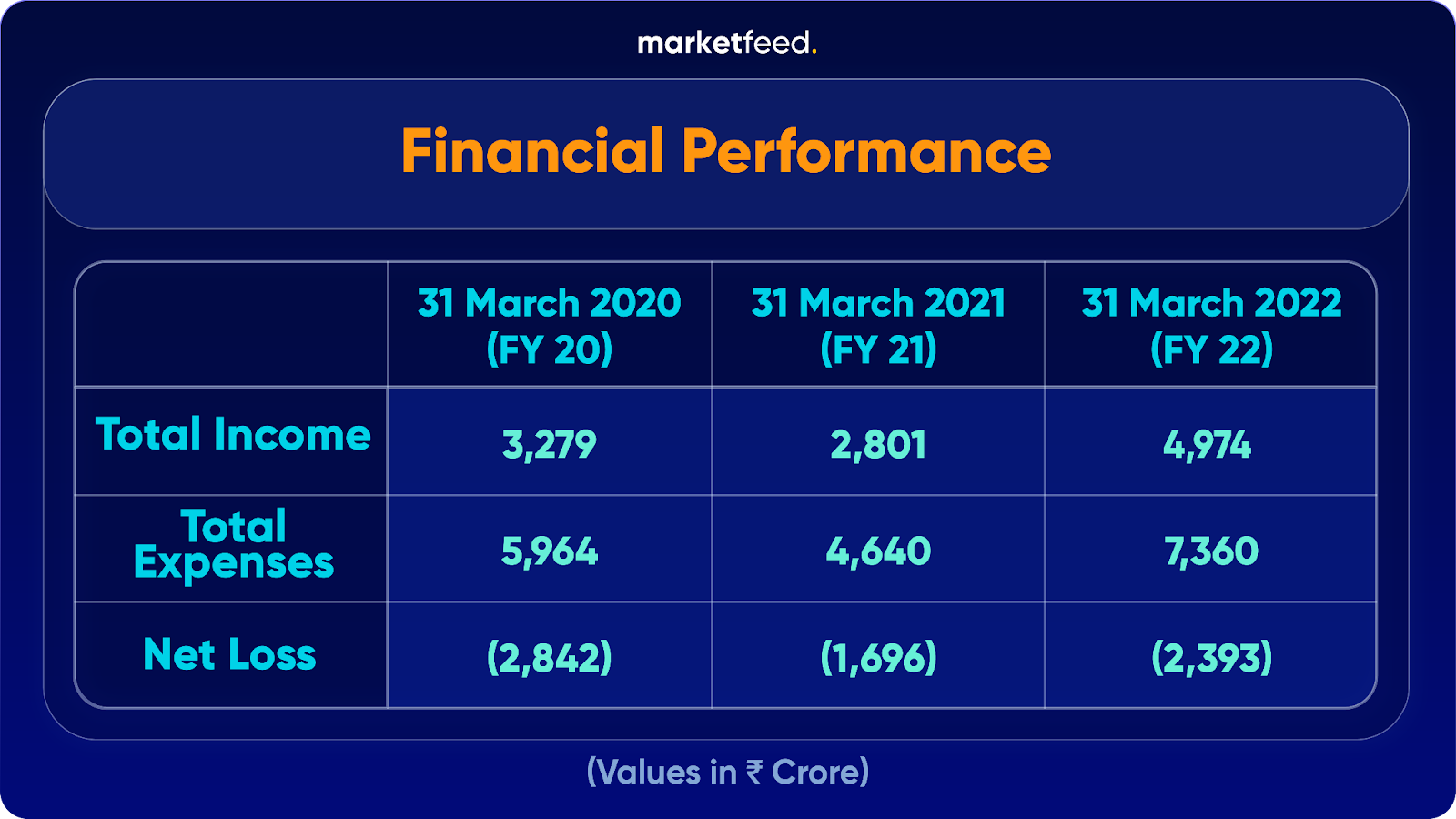
One97 Communications reported a 41% year-on-year (YoY) increase in its consolidated net loss to Rs 2,392.9 crore for the financial year 2021-22 (FY22). However, the startup’s revenue from operations grew 77% YoY to Rs 4,974.2 crore in FY22. They saw a healthy increase in consumer and merchant payments & loan disbursements through its partners on Paytm. Average monthly transacting users (MTU) rose 35% YoY to 6.08 crore during the same period.

Time and again, high expenses have been blocking the company’s road to profitability. Paytm made huge investments in marketing expenses to grow its monthly transacting users (MTU) in FY22. Its employee costs rose due to investments to scale up its device deployment from 8 lakh per quarter to 10 lakh per quarter. [Paytm offers smart point-of-sale (POS) hardware devices for merchants.]

(Values in Rs crore)

In the last quarter of FY22 (Q4), Paytm’s net loss rose 72% YoY to Rs 762.5 crore, while revenue from operations grew 89% YoY to Rs 1,541 crore. Earnings before interest, tax, depreciation, and amortisation (EBITDA) remained negative during the quarter. However, it narrowed from Rs 420 crore in Q4 FY21 to Rs 368 crore in Q4 FY22. The startup declared it is on track to break even at the EBITDA level by the July-Sept quarter of FY23.

The Way Ahead

One97 Communications’ shares have been on a free fall since it got listed in November 2021. It crashed over 70% from the IPO price of Rs 2,150. The company was highly overvalued, especially when the path to profitability was unclear. Many find Paytm’s business model problematic as it generates very low revenue for every dollar spent on marketing. In a major blow, the Reserve Bank of India (RBI) directed Paytm Payments Bank (PPB) to stop onboarding new customers due to supervisory concerns in March 2022.

Paytm often dabbles in numerous business lines, and it has become difficult for them to work out a solid business model. A high level of competition in the fintech space is also weighing down on their operations. As a result, many global and domestic analysts had advised against buying the company’s shares and slashed their target prices on the stock.

However, CEO Vijay Shekhar Sharma expects his company to achieve operational profitability by Q2 FY23. They are focusing on increasing consumer engagement and merchant base to achieve higher revenue from payment services. Paytm is also scaling up its loan disbursement business, where it offers Paytm Postpaid (Buy Now, Pay Later), personal loans, and merchant loans. Moreover, the proposal of linking credit cards to UPI is expected to benefit the full-stack payments and financial solutions provider.

Let us wait patiently and see how One97 Communications performs in the upcoming quarters. Have you invested in the company? Let us know in the comments section of the marketfeed app.

Categories
Editorial

An Analysis of India’s Green Hydrogen Industry

India has announced plans to de-carbonize within the next 30 years. The government has taken strategic decisions to reduce the reliance on fossil fuels and cut down costly imports. Our country’s target of achieving 175 gigawatts (GW) of renewable energy capacity by 2022 has received a significant boost through new policies. As part of these efforts, India is now focusing on the development and production of green hydrogen as an energy source.

In this article, we shall analyse an industry that is gradually evolving and essential for India’s growing economy— the green hydrogen energy industry! We shall also find out who the top players in this field are.

What Exactly is Green Hydrogen?

Hydrogen is the most common element in the universe. However, it only exists in the form of combinations with other elements. Hydrogen is commonly extracted from compounds such as water, and the process can be quite energy-intensive. Based on the sources and processes by which hydrogen is derived, it can be categorized into three: 

  • Grey hydrogen: Produced from fossil fuels (primarily natural gas).
  • Blue hydrogen: Generated from fossil fuels with carbon capture and storage options. 
  • And finally, green hydrogen: Generated from renewable power sources such as solar, wind, and geothermal energy.

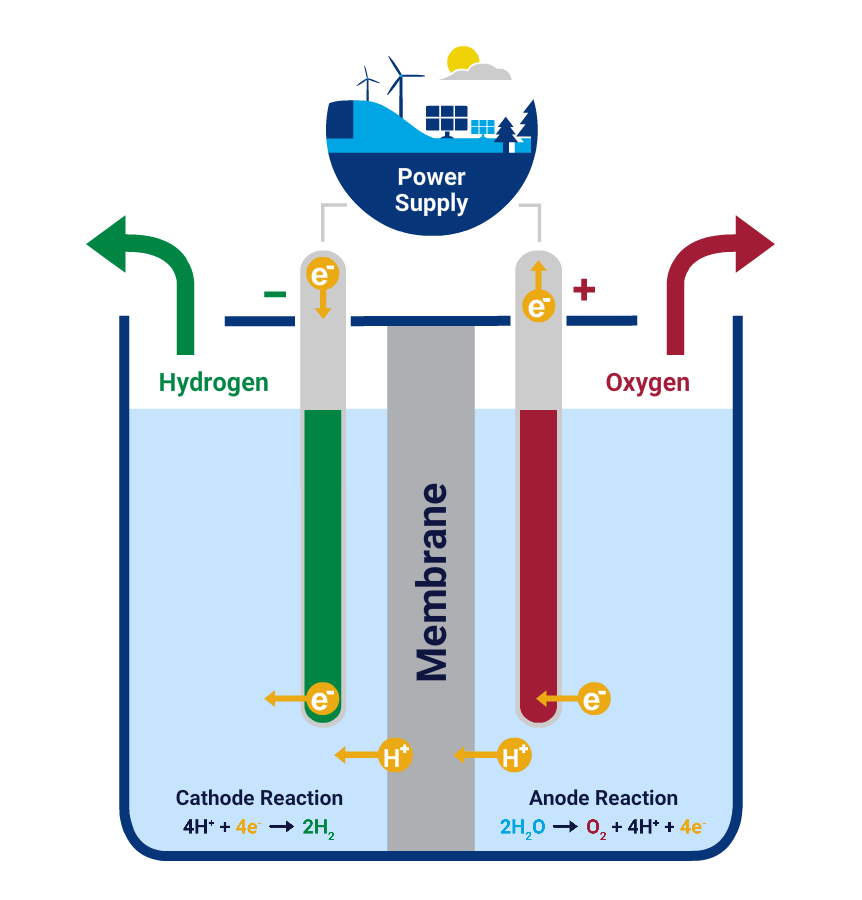
Green hydrogen is produced by splitting water into hydrogen and oxygen using renewable electricity. This chemical process is known as electrolysis. The main advantage of green hydrogen is that it is a clean-burning molecule. It can help reduce carbon emissions in the iron and steel, chemicals, and transportation sectors. A truly revolutionary concept, indeed!

The Green Hydrogen Industry in India

Since green hydrogen is one of the cleanest forms of energy, it is now considered the best solution to achieve net-zero emissions. Many countries are now investing billions of dollars into the development of green hydrogen infrastructure. Meanwhile, India has also taken various steps to support green initiatives. 

  • In August 2021, Prime Minister Narendra Modi launched the National Hydrogen Energy Mission (NHEM) and announced his decision to transform India into a global hub for green hydrogen production and export. Between 2021 and 2024, the government will invest Rs 800 crore in research & development projects that aim to cut down the cost of green hydrogen production.
  • India’s current energy import bill is over Rs 12 lakh crore a year. The dependence on coal and oil is likely to surge by 2-3 times in the near future. Thus, NHEM will help to stop our reliance on expensive oil imports. Green hydrogen will become a necessity to meet energy consumption requirements in the long term. 
  • In February 2022, the Indian government introduced the Green Hydrogen Policy. It targets the production of 5 million metric tonnes per annum (MTPA) of green hydrogen by 2030. Under this policy, a renewable energy plant set up to supply power for green hydrogen production before July 2025 will get 25 years of free power transmission! This policy will bring a sense of competitiveness amongst players in the green hydrogen sector. 
  • Many entities are working on the development of hydrogen fuel cell technology to power automobiles. We will soon be able to see many hydrogen-powered vehicles plying on Indian roads!

Now, let’s look at the top 5 companies leading the green hydrogen revolution in India.

Reliance Industries Ltd

  • Reliance Industries Ltd (RIL) has entered the green energy sector with highly ambitious plans. 
  • Chairman Mukesh Ambani had revealed a roadmap to invest $10 billion (or Rs 75,400 crore) in solar, green hydrogen, batteries, and fuel cells over the next three years.
  • RIL has also started developing the Dhirubhai Ambani Green Energy Giga Complex in Jamnagar, Gujarat. This Rs 60,000 crore project will be an integrated facility that manufactures components such as solar cells & modules, batteries, fuel cells, and an electrolyzer plant to produce green hydrogen.
  • RIL has partnered with Danish company Stiesdal A/S through its subsidiary Reliance New Energy Solar Ltd to develop and manufacture hydrogen electrolyzers.
  • Reliance has vowed to produce green hydrogen at $1 per kilogram by 2030.

GAIL (India) Ltd

  • GAIL is currently working on building the largest green hydrogen plant in our country as it looks to supplement its natural gas business with carbon-free fuel.
  • It had recently floated a global tender to procure an electrolyzer that can produce 4.5 tonnes of hydrogen per day.
  • The company has also started mixing hydrogen in natural gas systems of key cities as part of a pilot project. 

NTPC

  • State-owned NTPC plans to produce green hydrogen on a commercial scale. 
  • NTPC will establish a 4,750 MW renewable energy park in Rann of Kutch.
  • The company is running a pilot project at one of its units in Uttar Pradesh, where the cost of hydrogen is currently around $2.8-3/kg. 
  • NTPC  also plans to set up its first green hydrogen fuelling station in Leh, Ladakh.
  • The PSU aims to achieve 60 gigawatts (GW) of renewable capacity by 2032. 

Indian Oil Corporation (IOC)

  • IOC plans to build a green hydrogen plant at its Mathura refinery in Uttar Pradesh. The unit is likely to have a capacity of nearly 1.6 lakh barrels per day.
  • The company has set a target of converting at least 10% of its hydrogen consumption at refineries to green hydrogen in the upcoming years.
  • IOC also aims to establish a standalone green hydrogen manufacturing unit in Kochi, Kerala. This unit will draw energy from the solar power facility of Cochin International Airport Ltd. 

Larsen & Toubro

  • Larsen & Toubro signed a major pact with Norway-based HydrogenPro AS to establish an alkaline water electrolysis unit in India.
  • They also plan to set up green hydrogen plants at their manufacturing units.
  • L&T recently announced the formation of a joint venture with Indian Oil Corporation and Nasdaq-listed ReNew Power to develop a green hydrogen business in India.
  • L&T has set a target to become a net-zero company by 2040. The company aims to invest Rs 1,000-5,000 crore on green initiatives in the coming years.

Conclusion

India’s green hydrogen market is at an infant stage. Producing hydrogen fuel is an expensive task, with the biggest cost being the electrolyser. It is also quite expensive to move/transport hydrogen. Manufacturing at a greater scale could reduce such costs. However, production capacities are low due to limited demand. 

Despite these challenges, our government has taken the initial steps toward encouraging research & development of green hydrogen. In 2017, the Indian hydrogen market was valued at $50 million. This market is expected to grow to $81 million by 2025! No wonder a lot of companies are entering this highly-promising sector! They have already started tapping into the potential of hydrogen as an energy source. Many are examining methods to bring down the cost of production and find alternate use-cases. As citizens, we can build awareness of the technology behind green hydrogen and its benefit to the environment.

What are your views on the evolving green hydrogen industry in India? Let us know in the comments section of the marketfeed app!
Categories
Editorial

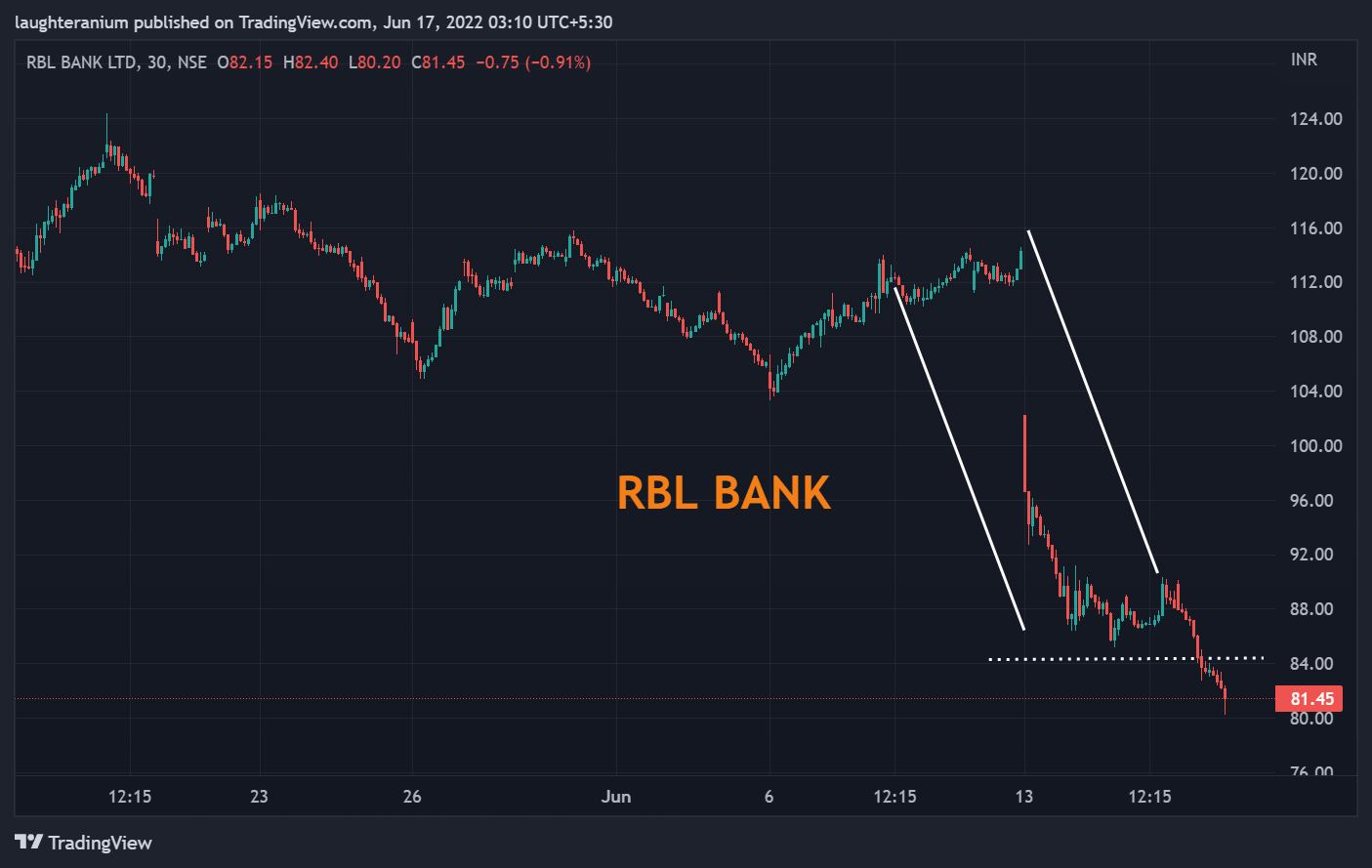
Why RBL Bank’s Share Price is Down 60% this Year?

RBL Bank’s share price has tanked by nearly 60% in a year and ~30% in the second week of June! The bank’s top-level management, financials, and asset quality are being questioned. In this piece, we figure out what led to the price crash and if India’s central bank could possibly recover RBL Bank’s damaged share price while improving its financials and asset quality. 

Reshuffle Gone Wrong?

The #1 reason for the crash is due to a major management reshuffle. On June 10, 2022, R. Subramaniakumar was appointed as Managing Director and CEO of RBL Bank. His appointment came after the sudden and unexpected resignation of MD and CEO Vishwavir Ahuja. 

R. Subramaniakumar’s 40-year career started with Punjab National Bank (PNB) in 1980. He headed Business Transformation at PNB for three years and took over the Digital, HR, MSME, Retail, and Overseas operations. 

He was an Executive Director at Indian Bank and Indian Overseas Bank. Subramaniakumar also held the position of MD & CEO of Indian Overseas Bank. He was an Administrator at Dewan Housing Finance Corporation Ltd (DHFL) and achieved its resolution.

What stung the investors was Mr. Subramaniakumar’s association with DHFL. Over the past few years, the housing finance company has been in the news for all the wrong reasons. Regulatory and administrative authorities like SEBI, Enforcement Directorate, CBI, Maharashtra Police, and others are investigating the fraudulent activities committed by the Wadhwan Family that owns and runs DHFL. DHFL is currently undergoing insolvency proceedings under the Insolvency and Bankruptcy Code (IBC).

Bad Finances and Asset Quality. What Lies Ahead?

As of FY22, RBL’s Gross non-performing assets (NPA) stood at 4.4%, while Net NPA stood at 2.1%. Over the last five years, the bank’s Gross NPA was up 3.2%+, while Net NPA rose by 0.66%+. The bank’s Return on Asset (RoA) and Return on Equity (RoE) have tumbled into negative for the first time. For FY21-22, the RoA was -0.07% while its RoE was -0.59%. With negative cash flows and declining deposits, the lender also recorded its first loss of (-)Rs 74.7 crore for FY22. 

After the news was announced, RBL’s shares tanked ~7% on the same day. While the stock has lost ~62% of its value in one year, ~30% was lost in the last two weeks. Declining asset quality, combined with a perceived leadership crisis, could have led to such a steep drop in share price. Investors could see hope if and when the newly appointed CEO and MD focus on improving the bank’s asset quality, cashflows, and overall deposits. 

What are your views on RBL Bank and its current situation? Let us know in the comments section of the marketfeed app.

Categories
Editorial

What’s Happening at Yes Bank?

Scandal-ridden Yes Bank has been all over the news lately. It has initiated the process to form a new Board of Directors. The private sector bank seeks to exit from the reconstruction scheme devised for its rescue in 2020. It has reported a positive momentum in overall business and even claimed to regain the trust of customers, employees, and investors.

In this article, we dive into the factors behind Yes Bank’s downfall and discuss recent developments surrounding the lender.

The Downfall of Yes Bank

Yes Bank secured its banking licence and began operations in 2004. It held great promise. Over the next decade, the bank’s loan book grew quickly, customer satisfaction was high, and its share price was surging. However, many began to question its management style under promoter Rana Kapoor

The bank often handed out loans to various companies that were not able to get credit elsewhere. They gave credit to Cafe Coffee Day, CG Power, Jet Airways, DHFL, Anil Ambani Group firms, and IL&FS. This strategy allowed Yes Bank to expand operations, but it was too risky. Unfortunately, all companies mentioned above collapsed and caused tremendous stress in India’s financial sector over the past few years. 

Thus began the downfall of Yes Bank. The Reserve Bank of India (RBI) repeatedly called out the lender for under-reporting its non-performing assets (or bad loans). In 2018, the central bank refused to offer Rana Kapoor a new term as CEO due to “highly irregular credit management practices, serious deficiencies in governance, and a poor compliance culture.” Yes Bank’s share price crashed during this period. 

What Happened Next?

In March 2019, Ravneet Gill took charge as the MD and CEO of Yes Bank. The RBI appointed a member to its board. They attempted to raise fresh capital from new investors. To their dismay, the bank was unable to raise funds as it had lost all credibility. Whenever Yes Bank tried to raise capital by selling shares, many found discrepancies/errors in its balance sheet. 

The Securities & Exchange Board of India (SEBI) even initiated a probe against the bank over insider trading violations around the same period! More importantly, its bad loans had surged to ~Rs 40,000 crore as of March 2020! The bank’s shares, which were trading at ~Rs 390 in August 2018, crashed to around Rs 25 in March 2020.

RBI’s Intervention

The RBI finally had to step in before the bank went into a total collapse. In March 2020, it laid down a draft reconstruction plan for Yes Bank. The central bank imposed a moratorium on the troubled lender and capped withdrawals at Rs 50,000 per person. It also stated that the State Bank of India (SBI) will invest capital to acquire a 49% stake in the restructured bank. RBI’s plan proposed that depositors’ funds will be protected and all employees would keep their jobs for at least a year.

Apart from fixing the share price to Rs 10, the RBI also declared that the bank’s 81 additional tier-1 capital bonds (which offer a higher rate of interest) will have no value. Moreover, the bank’s board now included four government-appointed directors, two SBI nominees, and two RBI nominees.

Finally, it took eight financial institutions (led by SBI) and Rs 10,000 crores of combined capital infusion to rescue Yes Bank! ​​

Recovery Mode!

Last week, Yes Bank kicked off the process of forming an alternate board. It has come out of the reconstruction scheme after returning to profit in FY22 from witnessing deep losses for two consecutive years. The bank’s deposit book nearly doubled from Rs 1.05 lakh crore to Rs 1.97 lakh crore as of March 2022. Asset quality has improved slightly. It also maintained leadership in digital payments with the highest market share in the Unified Payments Interface (UPI). One of every third digital transaction is now processed by Yes Bank’s infrastructure!

“Since the implementation of the reconstruction scheme, the bank undertook multiple transformational initiatives that helped in resurrecting and rebuilding its foundation. It now remains on course to achieve its growth and profitability objective.” – Yes Bank in a regulatory filing.

Will Yes Bank get back to its glory days? Let us know your views in the comments section of the marketfeed app.